
Pests and Diseases
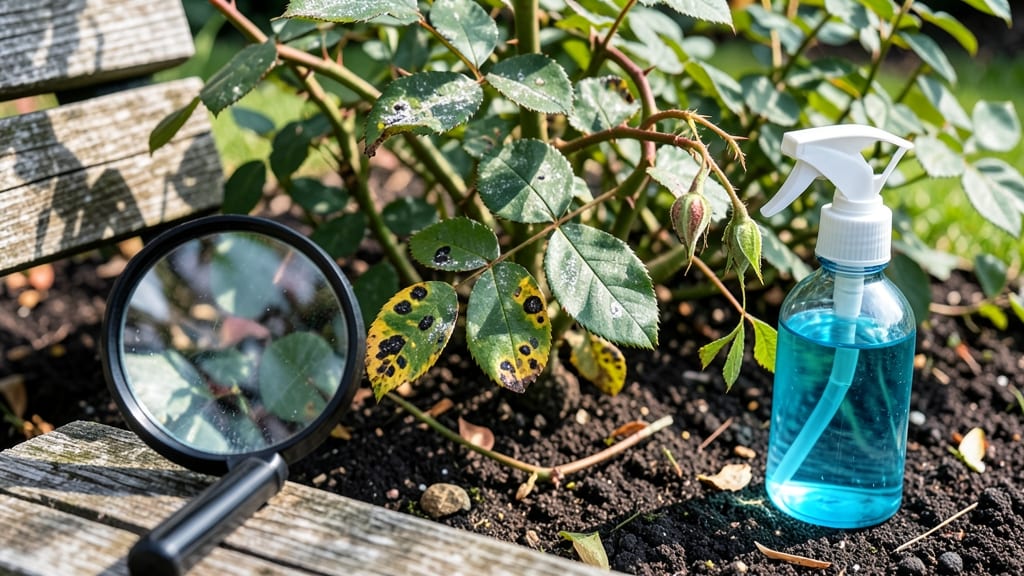
When your roses grow abnormal, thick thorns and leaves turn yellow with red veins, you're likely dealing with rose thorn disease—something that wiped out my prized Knock Out roses last summer. 🌹 The culprit?
Often rose rosette virus or thorn gall, both of which spread fast and leave plants looking like they've been attacked by a thorny monster. The good news? Catching it early means you can still save some of your bushes with the right steps.
This disease thrives in warm, humid conditions and spreads through mites or infected plant parts. You'll spot it first on new growth—thorns become spiky and twisted, leaves develop mosaic patterns, and stems grow witches'-broom clusters.
The moment you see these signs, act fast: remove affected branches immediately (don't compost them!) and disinfect your tools with rubbing alcohol. Prevention is key, but once it's in your garden, you'll need a mix of pruning, sanitation, and sometimes even replacing severely infected plants.
For organic treatment, focus on boosting plant health—apply neem oil to deter mites, keep the area weed-free, and water at the base (not overhead) to reduce humidity.
If the disease has taken over a whole bush, it's often safer to dig it up and destroy it to protect your other roses. The goal is to stop the spread while giving your remaining plants the best chance to recover.
With vigilance, you can keep your roses thriving without letting this sneaky disease win.
Here's the hard truth: some roses are more resistant than others, so if you've lost plants to this before, consider switching to varieties like 'Dr. Huey' or 'The Fairy' that handle stress better. Early intervention saves your garden—and your sanity. Let's get those roses back to their best!
Root Causes Of Plant Stress
Rose thorn disease—officially known as Diplocarpon rosae, or black spot—isn’t just a random attack on your roses. It thrives when specific conditions create the perfect storm for fungal growth. Understanding these triggers helps you prevent outbreaks before they start. Here’s why your roses might be under siege:
🌱 Overcrowded or Poorly Ventilated Foliage
The fungus Diplocarpon rosae loves damp, shaded environments where air can’t circulate. When rose bushes grow too close together or are planted in dense clusters, moisture lingers on leaves longer. This creates ideal conditions for fungal spores to germinate and spread.
Why it happens:
- Reduced airflow – Stagnant air traps humidity, preventing leaves from drying quickly after rain or watering.
- Shade retention – Dense canopies block sunlight, keeping leaves cooler and wetter for extended periods.
- Debris buildup – Fallen leaves or mulch piled against stems trap moisture, giving spores a foothold.
Actionable fix: Prune roses to open up the center, allowing sunlight and air to flow freely. Space bushes at least 3–4 feet apart and remove fallen leaves regularly.
💦 Excessive Moisture From Overwatering
Roses need consistent moisture, but soggy soil and wet leaves are a fungal buffet. Overwatering—especially late in the day—keeps foliage damp overnight, giving Diplocarpon rosae the upper hand.
Why it happens:
- Poor drainage – Compacted or clay-heavy soil holds excess water, preventing roots from drying out.
- Frequent overhead watering – Water droplets on leaves stay there longer, creating a humid microclimate.
- Irrigation timing – Watering in the evening leaves no time for leaves to dry before nightfall, when fungal spores are most active.
Actionable fix: Water deeply but infrequently, aiming for the soil (not the leaves). Use drip irrigation or soaker hoses, and water in the early morning so foliage has 4–6 hours to dry. Amend heavy soil with compost to improve drainage.
🍃 Weakened Plants From Nutrient Deficiencies
Stressed roses—those lacking essential nutrients—are easier targets for fungal infections. Deficiencies in nitrogen, phosphorus, or micronutrients like magnesium weaken the plant’s natural defenses, making it vulnerable to pathogens.
Why it happens:
- Nitrogen deficiency – Leads to pale, yellowing leaves (chlorosis), reducing the plant’s ability to produce protective compounds.
- Phosphorus or potassium shortages – Impair root and cell wall strength, making tissues more susceptible to fungal penetration.
- Micronutrient imbalances – Low magnesium or iron can cause interveinal chlorosis, further stressing the plant.
Actionable fix: Conduct a soil test to identify deficiencies and amend with organic fertilizers like:
- Compost or worm castings – Boosts overall soil health and microbial activity.
- Bone meal or rock phosphate – Adds phosphorus for root and flower development.
- Epsom salt (magnesium sulfate) – Sprinkle 1 tbsp per gallon of water monthly for magnesium-deficient plants.
🌡️ Ideal Temperature and Humidity for Fungal Growth
The fungus Diplocarpon rosae thrives in warm, humid conditions—typically between 60–80°F (15–27°C) with high humidity (70% or above). These conditions accelerate spore germination and spread.
Why it happens:
- Summer heatwaves – Combine high temps with afternoon thunderstorms, creating prolonged leaf wetness.
- Morning dew – If humidity stays high, dew lingers, keeping leaves damp for hours.
- Greenhouse or container environments – Enclosed spaces trap heat and moisture, mimicking the fungus’s favorite conditions.
Actionable fix:
- Improve airflow with fans or strategic pruning.
- Choose disease-resistant rose varieties (e.g., ‘Knock Out’ or ‘Dr. Huey’).
- Apply a mulch ring around plants to moderate soil temperature and reduce evaporation.
🌿 Previous Infections or Contaminated Tools
If black spot has struck before, spores can overwinter on fallen leaves, stems, or even pruning tools. Reintroducing infected plant material or using contaminated shears spreads the disease in subsequent seasons.
Why it happens:
- Improper cleanup – Leaving infected leaves or debris in the garden provides a reservoir for spores.
- Shared tools – Pruners, secateurs, or even gloves used on infected plants can transfer spores to healthy roses.
- Infected nursery stock – Buying roses with pre-existing fungal issues introduces the problem to your garden.
Actionable fix:
- Sterilize tools with 70% isopropyl alcohol or a 1:10 bleach-water solution between uses.
- Remove and destroy (don’t compost) infected leaves and stems—bag them and toss in the trash.
- Inspect new plants for symptoms before bringing them home.
Fixing Rose Thorn Disease Naturally
Rose thorn disease—caused by the Diplocarpon rosae fungus—can devastate your prized roses, but the good news is that organic, proactive solutions work wonders. Below, we’ve mapped the most common causes to step-by-step fixes, plus prevention tips to keep your roses thriving.
Problem: Fungal spores thrive in damp, shaded conditions, and overcrowded roses trap moisture.
How to Fix It: ✅ Prune aggressively in early spring or late winter (before buds swell):
- Remove dead, diseased, or crossing branches (use sterilized pruners—wipe with rubbing alcohol between cuts).
- Thin out foliage to improve airflow—aim for 6–12 inches between canes and 12+ inches between plants.
- Dispose of infected debris in a sealed trash bag (not compost).
✅ Thin out suckers (shoots from the base) to reduce competition for nutrients and airflow.
💡 Pro Tip: Prune on a dry, sunny day—never when leaves are wet to avoid spreading spores.
Problem: Roses love water, but soggy soil and wet leaves create the perfect fungal buffet.
How to Fix It: ✅ Water at the base, not overhead:
- Use a soaker hose or drip irrigation to keep leaves dry.
- Water early in the morning (before 10 AM) so foliage dries by evening.
✅ Improve drainage:
- Amend heavy clay soil with compost or perlite to prevent waterlogging.
- Ensure pots have drainage holes and raise containers off the ground.
✅ Mulch properly:
- Apply 2–3 inches of organic mulch (straw, wood chips) around the base—but keep it 2 inches away from the stem to prevent rot.
🌡️ Heat Hack: If humidity is high, mist roses lightly with water in the evening to trick them into closing stomata (reducing fungal entry).
Problem: Contaminated tools or old mulch can reintroduce the fungus.
How to Fix It: ✅ Sterilize tools between uses:
- Wipe pruners, shears, and knives with 70% isopropyl alcohol or a 10% bleach solution (1 part bleach to 9 parts water).
✅ Rotate garden beds:
- Avoid planting roses in the same spot for 3+ years—the fungus lingers in soil.
- If replanting, solarize the soil (cover with clear plastic for 4–6 weeks in summer) to kill pathogens.
✅ Remove and replace old mulch:
- If mulch is moldy or discolored, replace it entirely with fresh, disease-free material.
✨ Bonus: Plant fungal-resistant rose varieties like ‘Knock Out’ or ‘Dr. Huey’ for long-term defense.
Problem: Nutrient deficiencies or pests (like aphids) weaken roses, making them susceptible to infections.
How to Fix It: ✅ Fertilize with organic, balanced nutrients:
- Use a low-nitrogen, high-phosphorus fertilizer (like 5-10-5) in early spring to strengthen roots.
- Add compost tea or fish emulsion for a micronutrient boost (zinc and magnesium help prevent black spot, a related issue).
✅ Control pests first:
- Spray roses with neem oil (1 tsp per quart of water) to deter aphids and mites, which spread disease.
- Introduce ladybugs or lacewings for natural pest control.
💪 Strengthening Routine:
- Every 2 weeks in growing season, spray roses with a baking soda solution (1 tsp baking soda + 1 quart water + a drop of dish soap) to prevent fungal spread.
Once you’ve treated the disease, stop it from returning with these habits:
- Monitor daily: Check undersides of leaves (a hotspot for spores) 2–3 times a week.
- Space plants wisely: Follow the 3-foot rule—roses need room to breathe.
- Avoid late-season pruning: Wait until after the first frost to prune, as new growth is more vulnerable.
- Rotate fungicides: If using organic sprays (like copper fungicide), alternate with biological controls (e.g., Bacillus subtilis strains like Serenade).
Final Thought: Rose thorn disease is manageable with consistency and organic care. Start with pruning and airflow, then layer in preventive sprays—your roses will bounce back stronger than ever! 🌹💚
Frequently asked questions
What are the first signs of rose thorn disease in my garden?
Watch for abnormal thorn growth—thorns become thicker, longer, and sometimes twisted or clustered. Look for yellowing leaves with red or purple veins, especially on new growth, and small black spots (like freckles) on leaf surfaces. These symptoms often appear first on lower leaves before spreading upward.
Can I save a rose bush already showing signs of thorn disease?
It depends on how severe the infection is. If only a few branches are affected, prune them immediately with sterilized tools and dispose of them in the trash (not compost). For advanced cases where the entire bush looks sickly, it's often safer to remove and destroy the plant to prevent spread. Focus on saving nearby healthy roses with proper care.
How do I prevent rose thorn disease from spreading to other plants?
Start by sterilizing your tools with rubbing alcohol between cuts, and remove all infected plant debris from your garden. Water at the base (not overhead) to keep leaves dry, and improve airflow by spacing plants 3-4 feet apart. Apply a preventive spray of neem oil or baking soda solution every 2 weeks during growing season.
Are some rose varieties more resistant to thorn disease?
Yes! Disease-resistant varieties like 'Knock Out' roses, 'Dr. Huey', or 'The Fairy' are bred to handle stress better. These types often have better natural defenses against fungal infections. When selecting new roses, look for labels indicating disease resistance or ask your local nursery for recommendations tailored to your climate.
Will my compost pile spread rose thorn disease?
Only if you add infected plant material to it. Never compost leaves or stems showing signs of disease—toss them in the trash instead. Healthy garden waste (like grass clippings or non-infected plant trimmings) can be composted safely, but always use finished compost (fully decomposed) to avoid reintroducing pathogens to your soil.