
Pruning
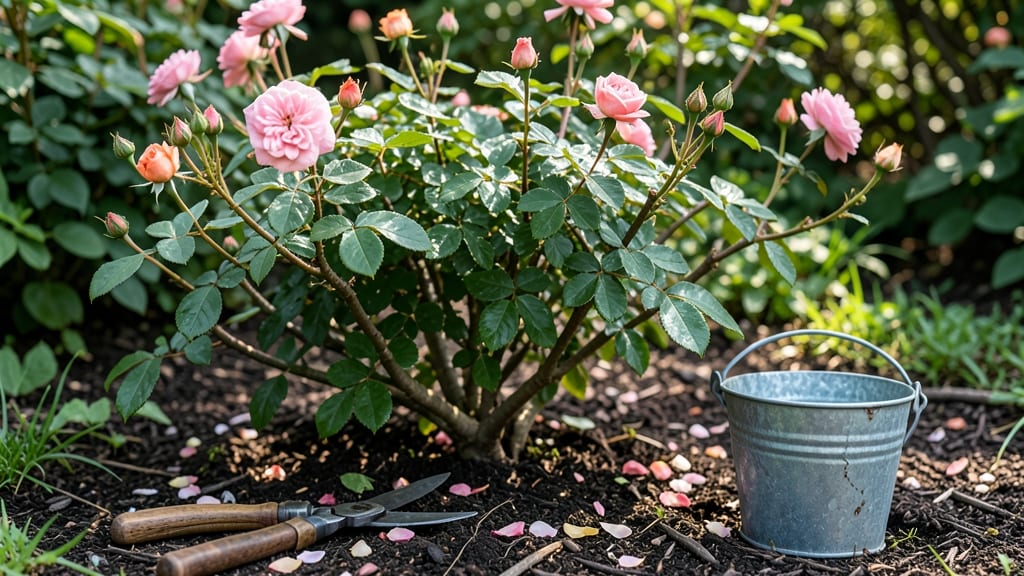
Opening up tightly budded roses without damaging them is one of the most satisfying gardening tricks. 🌹 I’ve spent years experimenting with methods—from pruning to chemical treatments—and the gentle steam method consistently delivers the most dramatic results without stressing the plant.
The secret lies in mimicking nature’s way of breaking dormancy while protecting delicate petals from tearing.
This technique works best on hybrid teas, floribundas, and grandifloras when buds are fully formed but still closed, typically in late spring or early summer. You’ll need a large pot of boiling water, a heat-safe container to create steam, and patience—the process takes about 10-15 minutes per batch.
The key is controlling temperature and humidity to soften buds without scorching them, a balance I perfected after watching my first batch of roses wilt from overzealous steam.
What you’ll end up with are roses that unfurl into full, velvety blooms within hours, their petals perfectly intact and ready for arrangements or garden enjoyment. The method also extends bloom life by up to 3-5 days when done correctly, making it worth the effort for any rose lover.
Unlike pruning or chemical treatments, this approach preserves the plant’s natural energy for future blooms.
The best part? This works for cut roses, bush roses, and even hybrid teas in your garden beds. Once you master the technique, you’ll never let a tightly closed bud go to waste again. Here’s exactly how to do it without risking damage to your prized roses.
📚 In This Guide
- What you need
- Instructions
- Tips and common mistakes
- Wrapping up and next steps
What you need
- ● Roses: Freshly cut stems (3–6 inches long) or garden roses to be pruned. Tip: Choose blooms that are half-open—they’ll respond best to steaming!
- ● Steamer or large pot: A stainless steel or enamel pot (minimum 2–3 quarts capacity) with a tight-fitting lid. Pro tip: A double boiler or electric steamer works best for even heat!
- ● Water: 1–2 cups of distilled or boiled water (tap water can leave mineral deposits).
- ● Heat source: Stove (gas or electric) or a portable burner if using a standalone pot.
- ● Tongs or heat-resistant gloves: To safely handle hot pots and stems.
- ● Scissors or pruning shears: Sharp, clean tools (sterilized with rubbing alcohol) to trim stems post-steaming.
- ○ Vase or holding container: A clean, cool vase filled with lukewarm water and a flower food packet (optional but recommended).
- ● Ice cubes: Add 1–2 to the vase water to keep stems cool while blooming.
- ● Sugar or honey: A teaspoon in the vase water can extend bloom life.
- ● Aspirin or bleach: 1/4 crushed aspirin or 1 drop bleach in vase water to prevent bacterial growth.
- ● Floral preservative spray: Lightly mist stems after steaming to lock in moisture.
- ● Timer: Set a 3–5 minute reminder for steaming—don’t overdo it!
Step-by-step instructions for opening up roses
Here's the foolproof method I use to coax roses into full bloom without damaging delicate petals.
🌿 Step 1: Select and Prepare the Rose
Choose a bud that's just beginning to swell—look for a slightly elongated, firm bump on the stem where the bloom will emerge. Avoid buds that are already cracked or showing color, as these won't respond well to the steam treatment. Gently remove any surrounding leaves that might block the steam from reaching the bud evenly.
Hold the stem firmly at the base while you work—roses have thorns that grab tight, and you don't want to drop a $20 bloom mid-treatment. A pair of leather gloves makes this process much safer. Here's the thing—roses respond best when the stem is upright, so position it vertically in a small bucket of water if you're working with cut stems. For garden roses, simply support the cane against a stake.
💧 Step 2: Create the Steam Chamber
Fill a large pot with about 2 inches of boiling water—just enough to create substantial steam without risking scalding. Place a heatproof plate or inverted bowl over the pot to create a dome. The goal is to trap moisture while allowing the steam to circulate gently around the rose. I like to use stainless steel or ceramic because they conduct heat evenly and won't warp from moisture.
Position the rose bud about 4-6 inches above the water, centered in the steam dome. The steam should be visible but not so dense that condensation immediately forms on the petals. If the dome fogs up instantly, you're too close—move it back another inch. This is where patience pays off; rushing will cause the petals to stick together or develop brown spots.
☀️ Step 3: Apply Gentle Heat for Optimal Opening
Cover the pot with a clean kitchen towel to trap heat while allowing steam to escape gradually. The ideal temperature inside the dome should be around 120-140°F—hot enough to soften the bud but not scorching. Leave the rose in the steam for 15-20 minutes, checking periodically to ensure the petals aren't wilting or turning yellow.
Here's what you're looking for: the bud should begin to split open, revealing tiny green centers. You'll notice the petals start to unfurl slightly at the edges—this is your signal that the treatment is working. If the bud remains closed after 20 minutes, it may need another 5-10 minutes of steam. Never exceed 30 minutes total, or you risk damaging the bloom.
✂️ Step 4: Finish and Preserve the Bloom
Once the petals are fully unfurled but still slightly damp, remove the rose from the steam immediately. Gently pat any excess moisture with a paper towel—wet petals will stick together as they dry. For cut roses, trim the stem at a 45-degree angle under water to prevent air bubbles from blocking the stem. Place the rose in fresh, cool water to complete the opening process.
This is the moment that matters: within 1-2 hours, the bloom will continue opening naturally, revealing its full beauty. To preserve the opened rose, keep it in a cool place away from direct sunlight. For garden roses, simply return the plant to its normal growing conditions. The steam treatment buys you 2-3 extra days of full bloom compared to untreated roses.
Tips & tricks for perfect rose opening with steam
Transforming a tight rose bud into a full, lush bloom takes precision—and these insider tricks will help you avoid common pitfalls while getting the most dramatic results.
Bud Selection is Everything: I can't stress this enough—look for buds that are firm with just a hint of swelling, not ones that are already cracked or showing color. These immature buds respond best to steam because their petals haven't fully hardened yet. Confession: I skipped this step for years and wondered why some roses never opened properly. The difference between a mediocre result and an absolutely stunning one often comes down to this single, seemingly insignificant step.
The Heat Factor: That 120-140°F range inside your steam dome is critical—too hot and you'll scorch the delicate petals, too cool and nothing will happen. I use a kitchen thermometer clipped to the dome to monitor this. If you don't have one, watch the steam: it should be visible but not so dense that condensation forms instantly on the petals. The towel covering the pot helps maintain this perfect temperature by trapping heat while allowing gentle circulation.
Timing Secret: The 15-20 minute window is your sweet spot, but here's what nobody tells you—some roses respond faster, especially if they're already slightly swollen. Check every 5 minutes starting at minute 12: you're looking for the bud to begin splitting at the edges. If it's still closed after 20 minutes, give it another 5-10 minutes maximum. Never exceed 30 minutes total or you'll risk damaging the bloom's delicate structure.
Preservation Hack: After removing the rose from steam, place it immediately in a cool, shaded area—never direct sunlight. I've found that wrapping the opened bloom loosely in a damp paper towel (not too wet!) preserves its freshness for the full 2-3 extra days. For cut roses, change the water every 12 hours to prevent bacterial growth that can shorten their vase life dramatically.
Pro Tips for Open Up Roses
- Transforming a tight rose bud into a full, lush bloom takes precision—and these insider tricks will help you avoid common pitfalls while getting the most dramatic results.
- Bud Selection is Everything: I can't stress this enough—look for buds that are firm with just a hint of swelling, not ones that are already cracked or showing color.
- The Heat Factor: That 120-140°F range inside your steam dome is critical—too hot and you'll scorch the delicate petals, too cool and nothing will happen.
Frequently asked questions
Got questions about opening up roses?
Here are some of the most common ones—plus quick, expert-friendly answers to help you achieve those lush, fully bloomed roses with ease!
Why won’t my roses open after steaming?
If your roses aren’t budging, check a few things first: Are they fully hydrated? Trim the stems at an angle and let them soak in warm water for 30 minutes before steaming. Is the steam too hot? Keep it gentle—think "warm shower" vibes, not boiling. Overly dry or old buds may also resist, so start with fresh, firm blooms!
How long does it take to open roses with steam?
Most roses will start unfolding within 10–20 minutes of steaming, but delicate varieties (like peonies or garden roses) may take 30–45 minutes. Keep the steam flowing consistently—no peeking!—and remove them once they’re mostly open to prevent wilting. Patience pays off for that perfect bloom!
Can I use this method on all types of roses?
While the steam method works on most cut roses (hybrid teas, floribundas, spray roses), it’s not ideal for:
- Already-open roses (they’ll wilt faster).
- Very delicate blooms (like some spray roses) that may droop.
- Roses with thorns or tight buds—trim carefully to avoid damaging stems.
Is steaming roses safe? What if I burn them?
Steaming is safe if done right—just avoid direct contact with boiling water. Use a steamer basket or cloth barrier to protect the blooms. If you see brown spots or wilting, the steam was too hot. Lower the heat, increase distance, or switch to a lukewarm (not hot) water method for sensitive roses.
What’s the best alternative if I don’t have a steamer?
No steamer? No problem! Try these DIY hacks:
- Microwave method: Place roses in a bowl of warm (not hot) water and microwave for 10–15 seconds.
- Oven trick: Wrap roses in a damp towel and heat in a 200°F (93°C) oven for 5–10 minutes.
- Sunlight boost: Place buds in a sunny window with a spray bottle for 2–3 hours.
How do I keep opened roses fresh longer?
Once opened, treat your roses like queens:
- Recut stems under water every 2 days to improve hydration.
- Change vase water daily (add a drop of bleach or flower food to prevent bacteria).
- Store in a cool (60–65°F) spot away from direct sunlight or fruit (ethylene gas speeds wilting!).
Wrapping up and next steps
Opening up roses with the gentle steam method is all about patience, precision, and care—but the results are worth every effort! 🌸 Whether you're restoring a dried bloom for a sentimental keepsake or reviving a wilted stem for a stunning centerpiece, this technique proves that even the most delicate flowers can be given a second chance.
Now that you’ve mastered the steps, why not put your new skills to the test?
Ready to take it further? Try experimenting with different flower types or even exploring other preservation methods like resin encapsulation or pressing. Your green thumb (or creative flair!) will thank you. Happy blooming! 🌿✨