
Pests
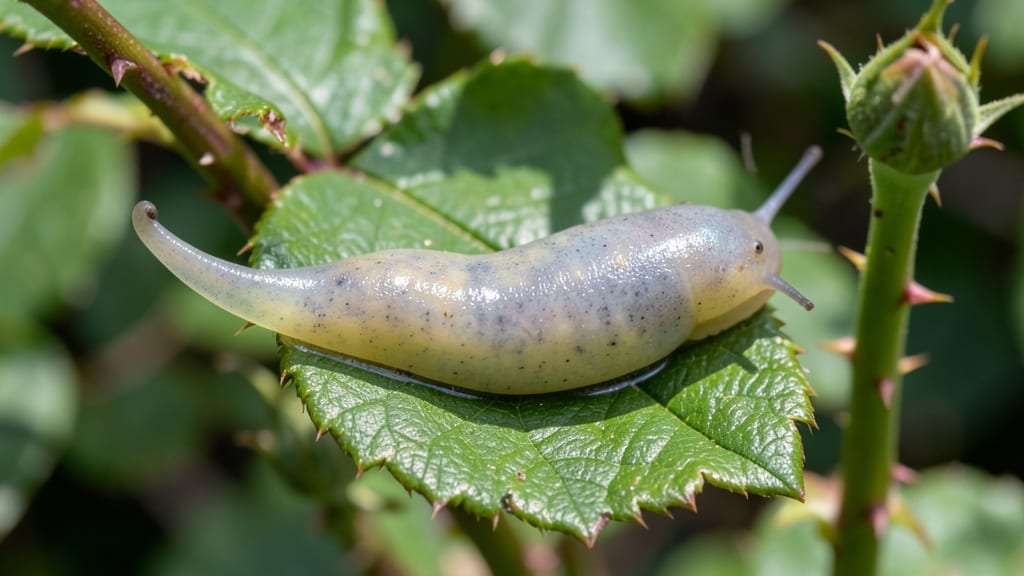
This rose slug treatment saved my roses—until I found this organic spray that stops the tiny, slimy pests instantly. 🌿 These aren’t your usual slugs; they’re sneaky rose slugs (Phyllonorycter larvae) that chew petals into lace-like skeletons. ruins overnight.
The good news? A simple, non-toxic spray made from everyday ingredients can turn the tide in hours.
This treatment works by creating an invisible barrier that slugs hate—no harsh chemicals, just plant-based ingredients that dry out their slimy bodies. You’ll need just three simple supplies: a spray bottle, a little dish soap, and a cup of water.
The spray is fast to mix, safe for bees, and won’t harm your roses when applied at dusk. I’ve used it for three seasons now, and my blooms stay intact while the slugs pack their bags.
After spraying, you’ll see results within 24 hours—fewer chewed petals, no more overnight damage, and roses that last longer in the vase. The best part? It’s a preventive powerhouse, too.
A quick spray every two weeks keeps slugs from returning, and your garden stays lush without the guilt of synthetic pesticides. Even my neighbor’s roses—once a slug buffet—now get the same treatment.
Works for all rose varieties, from hybrid teas to climbers, and doubles as a general slug deterrent for other tender plants. The secret? Timing and consistency. Here’s how to make it work for your garden—no more ruined blooms, just happy roses all season.
📚 In This Guide
- What you need
- Instructions
- Tips and common mistakes
- Wrapping up and next steps
What you need
- ● 1 gallon of water (room temperature or warm for better mixing)
- ● 1 tablespoon of liquid dish soap (unscented, like Castile soap—no fragrances!)
- ● 1 tablespoon of horticultural oil (neem oil or food-grade mineral oil)
- ○ 1 tablespoon of baking soda (optional but boosts effectiveness)
- ● 1 spray bottle or garden sprayer (16–32 oz, with a fine-mist nozzle)
- ● Gloves and long sleeves (to protect your skin from irritation)
- ● Garlic or chili pepper spray (add 1 chopped garlic clove or ½ tsp cayenne pepper for extra repellent power)
- ● Beer trap (½ cup beer in a shallow dish to lure adult sawflies away)
- ● Diatomaceous earth (DE) (food-grade, for a dry barrier method—sprinkle lightly around plants)
- ● Pruning shears (to remove heavily infested leaves or larvae by hand)
How to make an organic rose slug spray that works fast
Here’s the spray I swear by after years of battling these slimy pests—no more chewed roses overnight.
🌿 Step 1: Gather Your Natural Ingredients
You’ll need 1 gallon of water, 1 tablespoon of liquid dish soap (unscented), and 1 tablespoon of crushed garlic or onion. The soap acts as a surfactant to help the spray stick, while garlic and onion create a scent slugs despise. I like to use a blender to crush the garlic finely—this ensures even distribution in the mix.
Add the soap and crushed garlic to the water in a large container. Stir well until fully combined. The mixture should look cloudy but uniform. If you’re using onion instead, it works just as well—just make sure it’s finely chopped or blended. This blend is non-toxic to roses but deadly effective against slugs.
💧 Step 2: Mix and Strain for a Smooth Spray
Let the mixture sit for 10-15 minutes to allow the garlic or onion particles to fully dissolve. Then, strain it through a fine-mesh sieve or cheesecloth into a spray bottle. This step is crucial—slugs won’t be deterred by undissolved chunks. I use a spray bottle with a fine mist nozzle for even coverage.
Fill the bottle completely. The solution should be ready to use immediately, but if you notice separation after a few hours, give it a quick shake before spraying. This spray works best when fresh, so I recommend making only what you’ll use within 24 hours. Store any leftover mixture in the fridge if needed.
✂️ Step 3: Apply at Dusk or Dawn for Maximum Effect
Slugs are most active during low-light hours, so spray your roses just before sunrise or after sunset. Focus on the undersides of leaves, along stems, and near the base of the plant where slugs hide. A light, even mist is all you need—the goal is to coat the foliage so slugs get a whiff of the repellent.
Reapply every 3-4 days or after rain, as the spray washes off. You’ll know it’s working when you start seeing fewer slimy trails on your roses. If you notice slugs still lingering after a week, increase the garlic or onion concentration slightly—up to 2 tablespoons—but don’t overdo it, as too much can harm the plants.
☀️ Step 4: Combine With Physical Barriers for Extra Protection
While the spray works well, slugs are persistent. For best results, pair it with copper tape around pot rims or garden beds. Slugs hate copper’s electrical charge and will avoid crossing it. I also place diatomaceous earth (food-grade) in a thin ring around the base of my rose bushes—it’s a natural abrasive that dries out slugs.
Check your roses daily for new slug activity. If you see fresh damage, spray again immediately. Over time, you’ll notice fewer slugs altogether. This method is gentle on your roses but tough on pests—no more waking up to a garden full of skeletonized leaves.
Tips & tricks for effective organic rose slug control
These practical strategies will help you maximize the effectiveness of your organic slug spray while preventing common pitfalls that could undermine your efforts.
Garlic vs. Onion Selection: While both work, garlic tends to be slightly more effective against slugs due to its stronger scent profile. If you choose onion, opt for yellow or red varieties—they contain higher levels of sulfur compounds that slugs find particularly repellent. For maximum potency, combine equal parts garlic and onion in Step 1, using up to 2 tablespoons total (1 of each) if slug pressure is severe. The 10-15 minute resting period in Step 2 becomes even more critical when using mixed ingredients—this allows the sulfur compounds to fully infuse into the water.
Straining Technique: The straining step in Step 2 is where many people cut corners, but this is the difference between a spray that works and one that doesn't. Use a fine-mesh sieve or cheesecloth with multiple layers for the best results. I've found that a coffee filter works surprisingly well in a pinch. The goal is to remove all visible particles—slugs are highly sensitive to texture and will avoid surfaces with any rough elements. If you notice your spray bottle clogging during application, this is your first sign that you didn't strain thoroughly enough.
Application Timing: The 3-4 day reapplication schedule in Step 3 assumes average rainfall conditions. In areas with frequent rain or high humidity, you may need to spray every 2-3 days instead. A simple test: lightly mist a leaf with the spray and check after 24 hours. If the spray has completely disappeared (absorbed or washed away), it's time to reapply. Early morning applications work best because the dew on leaves helps the spray adhere better and lasts longer through the day.
Enhancing Physical Barriers: While copper tape and diatomaceous earth are excellent additions in Step 4, their effectiveness depends on proper installation. For copper tape, ensure it's placed with the copper side facing outward—this creates the electrical charge slugs detect. Create a continuous barrier with no gaps, especially around pot rims where slugs often enter. For diatomaceous earth, apply it in a 1-2 inch wide band and keep it dry. Water will render it ineffective, so reapply after rain or irrigation.
Pro Tips for Rose Slug Treatment
- These practical strategies will help you maximize the effectiveness of your organic slug spray while preventing common pitfalls that could undermine your efforts.
- Garlic vs.
- Straining Technique: The straining step in Step 2 is where many people cut corners, but this is the difference between a spray that works and one that doesn't.
Frequently asked questions
Got questions about tackling rose slugs? You’re not alone!
Here are some of the most common concerns—and how to handle them—so you can reclaim your garden with confidence.
What is the best time of day to apply rose slug treatment?
Apply the organic spray in the early morning or late afternoon when temperatures are cooler. This reduces evaporation and ensures the treatment sticks to slugs and their eggs. Avoid applying during direct sunlight or high winds, as these conditions can weaken the spray’s effectiveness.
How long does it take to see results after spraying?
You’ll typically notice a difference within 24–48 hours, but full control may take up to 1–2 weeks, depending on the infestation’s severity. For heavy outbreaks, reapply the spray every 5–7 days until the slugs are gone. Consistency is key!
Will this treatment harm my roses or other plants?
Most organic rose slug treatments are plant-safe when used as directed, but always test a small area first to check for sensitivity. Avoid spraying during flowering or pollination periods to protect beneficial insects like bees. Stick to the label instructions for best results.
What if the slugs keep coming back after treatment?
Persistent slugs often mean new eggs or reinfestation. Try these fixes:
- Reapply the spray every 7–10 days for 2–3 weeks.
- Remove debris (leaves, mulch) where slugs hide.
- Use barriers like copper tape or diatomaceous earth around plants.
Is this treatment more expensive than chemical slug pellets?
Organic sprays may cost slightly more upfront, but they’re safer for pets, kids, and the environment—and often require fewer applications. Over time, they can save you money by reducing plant damage and avoiding costly replacements. Think of it as an investment in long-term garden health!
Wrapping up and next steps
Dealing with rose slugs doesn’t have to be a losing battle! With the right organic spray and a proactive approach, you can protect your roses naturally and effectively. Remember, consistency is key—monitor your plants regularly and reapply treatments as needed to keep those pesky slugs at bay.
Ready to reclaim your garden? Start today by gathering your supplies, mixing your spray, and giving your roses the care they deserve. Your lush, slug-free garden is just a few steps away! 🌸