
Shrubs
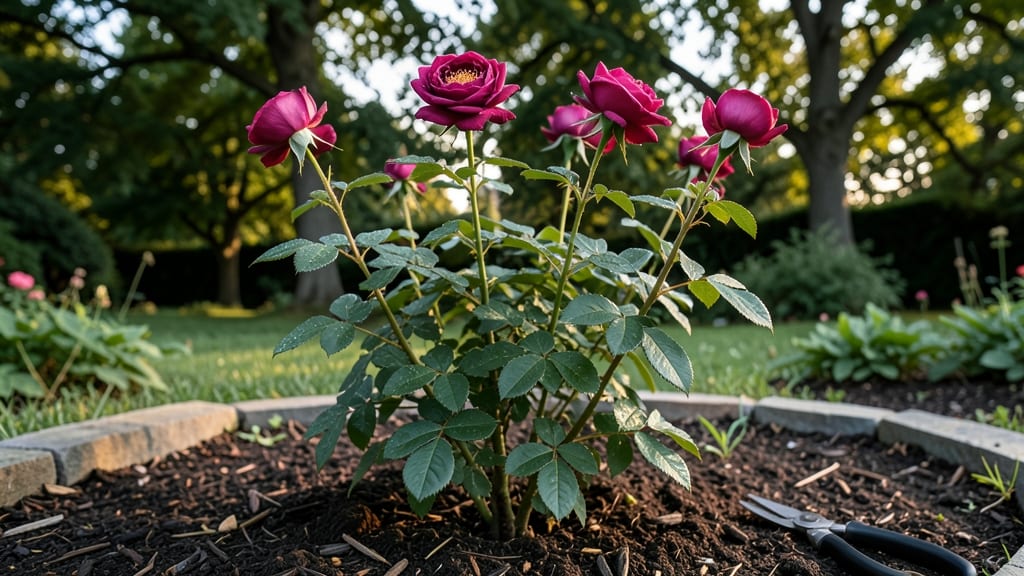
Your flowering rose bushes could bloom from spring to frost—if you prune them exactly when they need it most. ✂️ I’ve spent years watching roses transform from tangled messes into lush, fragrant shrubs, and the secret isn’t complicated: timing.
One wrong cut in winter can rob you of summer blooms, while a summer trim at the right moment keeps flowers coming nonstop.
The key is matching each prune to the season: late winter for shaping, spring for cleanup, and summer for deadheading. Most gardeners skip the summer trim—they think roses just need a big winter haircut—but that’s where the magic happens.
After my first summer pruning, my bushes rebloomed with double the flowers by August. It’s not about hacking back branches; it’s about encouraging new growth at the perfect moment.
By following this schedule, you’ll end up with roses that stay compact, healthy, and covered in blooms from May through October. The first year might feel fussy, but after that, it becomes second nature—like watering or weeding.
And the payoff? Roses so full of flowers, your neighbors will ask for cuttings. Let’s get started with the seasonal breakdown.
Works for hybrid teas, floribundas, and shrub roses alike—just adjust the timing slightly for climates with early frosts or mild winters. The principles stay the same: prune for shape in winter, clean up in spring, and deadhead in summer. Your bushes will thank you with nonstop color all season long.
📚 In This Guide
- What you need
- Instructions
- Tips and common mistakes
- Wrapping up and next steps
What you need
- ● Pruning shears: Bypass pruners (sharp, clean, and disinfected with rubbing alcohol or bleach) for cuts under ½ inch in diameter.
- ● Loppers: Long-handled (20–24 inches) for thicker branches (½–1½ inches). Look for ratchet-style for ease.
- ● Pruning saw: Curved-tooth for branches over 1½ inches in diameter (avoid tearing bark!).
- ● Gloves: Heavy-duty, cut-resistant (e.g., leather or synthetic blend) to protect from thorns.
- ● Disinfectant: 1 part bleach to 9 parts water (or 70% isopropyl alcohol) to sterilize tools between cuts.
- ● Rag or paper towels: For wiping tools and hands clean.
- ○ Garden twine or tape: To mark branches for removal (optional but helpful for planning).
- ● Safety gear: Sunglasses (to shield from debris) and long sleeves/pants (thorn protection!).
- ● Weather check: Prune on a dry, cloudy day (avoid midday heat or frost).
- ● Cleanup supplies: Garden bag or bucket for clippings (compost or discard diseased branches).
- ● Trash bags (for infected debris—do not compost).
- ○ Optional: Hose with nozzle (to rinse tools and clean cuts).
- ● Pruning sealant (for large wounds—only if needed; most roses heal without it!).
- ● Notebook & pen (to log cuts and seasonal notes).
Instructions: pruning flowering rose bushes by season
Here's the seasonal pruning routine I swear by—it keeps my bushes blooming like crazy year after year.
✂️ Step 1: Late Winter Cleanup (Before Bud Break)
Prune 2-3 weeks before your last frost when the plant is still dormant. You'll know it's time when you see tight, unopened buds forming at the base of stems. This is the most critical cut—it shapes the plant for the entire growing season.
Start by removing dead, diseased, or crossing branches first. Cut these back to the main stem or outward-growing bud. I like to make my cuts at a 45-degree angle about ¼ inch above an outward-facing bud. This encourages new growth to spread outward instead of inward.
Next, thin out crowded stems to improve airflow. Aim for 3-5 main stems per bush—thicker stems mean fewer but bigger, showier blooms. Never remove more than ⅓ of the plant in one season, or you'll shock the rose.
☀️ Step 2: Light Summer Pruning (After First Bloom)
About 6 weeks after your first flush of flowers, give your rose a light trim. You'll recognize the right time when you see spent blooms turning brown and new buds forming below them. This mid-season cut keeps the plant productive and prevents leggy growth.
Focus on cutting back about ⅓ of the longest stems to just above a leaf node with 3-5 buds. This encourages a second flush of blooms. I always use sharp, clean shears—dull blades tear stems and invite disease. Wipe them down with rubbing alcohol between cuts.
Remove any suckers growing from the base or water sprouts growing straight up from the main stems. These sap-sucking growths drain energy from your blooms. Cut them off at the base immediately—they'll keep coming back if you ignore them.
🌿 Step 3: Post-Bloom Renewal (Fall Preparation)
After your final flush of blooms in late summer or early fall, do a light renewal pruning. Wait until after the last frost date in your area—you want the plant to have time to harden off before winter. Look for stems that look thin, weak, or overcrowded.
Cut these back by half their length to encourage strong new growth next spring. The goal here is to open up the center of the bush so sunlight reaches all the way in. I make my cuts just above an outward-facing bud, same as in winter, but I'm more aggressive about removing any stems growing toward the center.
Remove all deadheading that's accumulated over the season. Rake up fallen leaves and debris—this prevents fungal diseases from overwintering in the soil. A 3-inch layer of mulch around the base helps protect roots from freeze-thaw cycles.
⏰ Step 4: Winter Protection (Optional for Cold Climates)
If you live in USDA zones 5-7 or colder, protect your roses from harsh winter winds. Bundle the canes together and tie them with soft plant ties. Wrap the bush with burlap or rose cones to shield it from drying winds.
Leave the pruning for spring—don't cut back in winter. The plant needs its leaves to photosynthesize even in cold months. Instead, focus on removing any ice or snow buildup that could break branches. A light layer of straw mulch over the wrapped bush adds extra insulation.
I always check my roses in late winter for any branches that might have died back. These will be brown, brittle stems with no buds. Cut these out completely—they won't regrow and just take up space.
Tips & tricks for perfect flowering rose bushes
These are the hard-earned lessons that'll turn your rose bushes from struggling survivors to show-stopping stars.
Timing is Everything: That 2-3 week window before your last frost in Step 1 is non-negotiable. I learned this the hard way—pruning too early when buds are still tight means you'll cut off next year's blooms. Check your local frost dates and mark your calendar. If you're unsure, err on the side of waiting a few extra days rather than cutting too soon. The goal is to shape the plant while it's still dormant but before buds start swelling.
The 45-Degree Angle Secret: When making your cuts in Step 1, that 45-degree angle about ¼ inch above an outward-facing bud isn't just a suggestion—it's a game-changer. This angle prevents water from pooling on the cut, which reduces disease risk. The outward-facing bud ensures new growth spreads away from the center, creating a fuller, more open bush. I keep a small angle guide on my pruners to make this precise every time.
Summer Pruning Shortcut: In Step 2, when you're cutting back about ⅓ of the longest stems to just above a leaf node with 3-5 buds, here's my pro move: I always look for stems that have already produced blooms. These are the ones that have proven they can support flowers, so cutting them back encourages a second flush. The 6-week timing after your first bloom is perfect because it gives the plant time to recover from the first flowering before pushing new growth.
Winter Protection Hack: For those in USDA zones 5-7, the 3-inch layer of mulch in Step 4 isn't just decoration—it's insulation. I've found that adding a light layer of straw mulch over the wrapped bush creates an extra barrier against temperature swings. This simple step has saved my roses from winter dieback more times than I can count. Just remember to remove old mulch in spring before new growth appears to prevent fungal issues.
Pro Tips for Flowering Rose Bushes
- These are the hard-earned lessons that'll turn your rose bushes from struggling survivors to show-stopping stars.
- Timing is Everything: That 2-3 week window before your last frost in Step 1 is non-negotiable.
- The 45-Degree Angle Secret: When making your cuts in Step 1, that 45-degree angle about ¼ inch above an outward-facing bud isn't just a suggestion—it's a game-changer.
Frequently asked questions
Got questions about keeping your flowering rose bushes in peak bloom year-round?
Here are answers to the most common concerns—from pruning timing to troubleshooting—so you can enjoy nonstop roses with confidence!
When is the best time to prune flowering rose bushes for continuous blooms?
For repeat-blooming roses, prune once in early spring (just before new growth starts) and again lightly after the first flush of flowers (late spring/early summer). This encourages second and third blooms! Avoid heavy pruning in fall—it can leave bushes vulnerable to winter damage.
How do I know if I’m over-pruning my rose bushes?
Over-pruning shows up as stunted growth, sparse foliage, or weak stems. If you’ve cut back more than ⅓ of the bush or see bare wood (no buds left), you’ve likely gone too far. Pro tip: Always leave 3–5 healthy buds per stem when pruning—this ensures new growth and blooms!
Can I prune roses in winter? What about frost?
Prune only in mild winter (temperatures above 40°F) to avoid shocking the plant. If frost is forecast, wait until spring. Heavy winter pruning can expose dormant buds to cold, reducing next year’s blooms. For extra protection, mulch the base with straw or shredded leaves!
What’s the difference between pruning hybrid teas vs. floribundas?
Hybrid teas
(single-stem blooms) need harder pruning—cut back to 18–24 inches in spring to encourage one large bloom per stem. Floribundas (cluster blooms) should be pruned softer—remove only dead/weak wood and shape lightly to promote dense, bushy growth.
My roses aren’t blooming as much as they used to—what’s wrong?
Check these 3 common culprits:
- Over-fertilizing with high nitrogen (promotes leaves, not flowers)—switch to a bloom-specific fertilizer (e.g., 10-20-20).
- Poor pruning timing—late pruning (after summer) can halt new buds.
- Pests/disease (aphids, black spot)—treat with neem oil or fungicide if needed.
Wrapping up and next steps
Cultivating flowering rose bushes with year-round blooms is entirely within reach—just follow the seasonal pruning schedule and a little tender care! 🌸 From winter’s dormant cuts to summer’s deadheading, each step keeps your roses thriving and bursting with color.
Remember, consistency is key, but so is patience—your efforts will pay off in spectacular floral displays.
Ready to transform your garden into a rose lover’s paradise? Grab your pruners and start small—pick one bush this season to practice your new skills. Before you know it, your yard will be a fragrant, blooming masterpiece! 🌿✨