
Shrubs
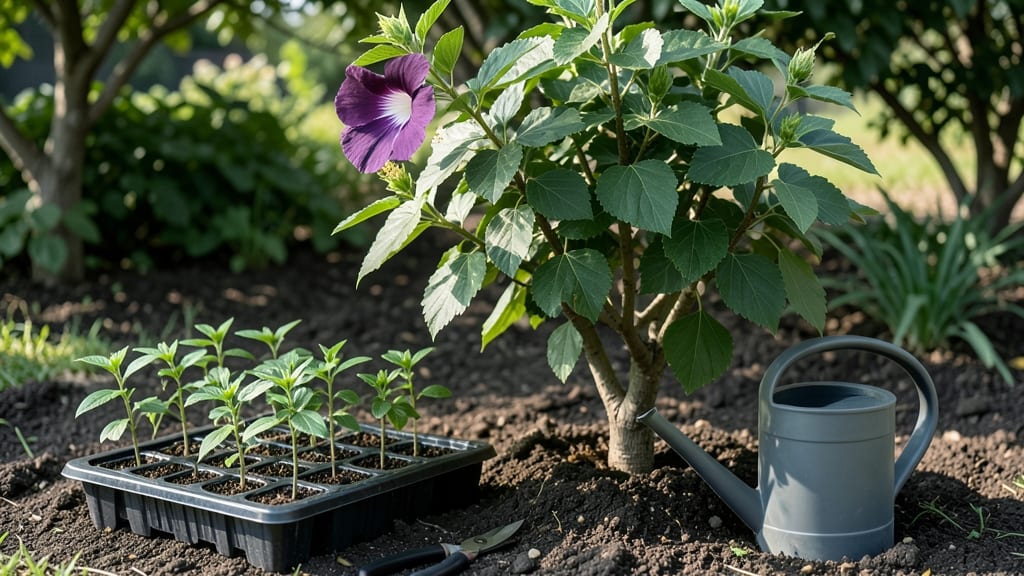
Capturing a rose of Sharon seedlings picture at just the right moment reveals nature’s quiet promise—those tiny green shoots that, with patience, will burst into towering, fragrant vines stealing the summer’s spotlight. 🌱 I’ve tracked these seedlings from seed to bloom, and the key to success starts with knowing exactly what healthy ones look like—and how to give them the perfect start.
You’ll need patience and a few simple supplies: a warm spot, moist seed-starting mix, and a clear plastic bag to create humidity. The seedlings themselves are tiny—just 1-2 inches tall—with smooth, dark green leaves and a sturdy stem.
Healthy ones grow upright; weak or leggy seedlings need extra light and care. Once they’ve developed their second set of true leaves, it’s time to transplant them into individual pots.
By late spring, those same seedlings will be sturdy enough for the garden, where they’ll reward you with clusters of trumpet-shaped blooms in shades of purple, white, or pink. The fragrance alone makes the effort worthwhile—imagine walking past a vine heavy with blossoms, the sweet scent lingering in the air.
With the right timing, you could have blooms by July.
This method works for both garden beds and containers, and the vines thrive in full sun to partial shade. Whether you’re starting from seed or transplanting young plants, the secret is consistency—watering, light, and a little extra love when they’re small. Here’s how to make it happen without the guesswork.
📚 In This Guide
- What you need
- Instructions
- Tips and common mistakes
- Wrapping up and next steps
What you need
- ● Rose of Sharon seedlings: 3–5 healthy, disease-free seedlings (check for vibrant green leaves and sturdy stems). Pro tip: Look for seedlings with at least 3–4 inches of growth!
- ● Well-draining potting mix: 1–2 bags (10–15 quarts each) of a high-quality, organic blend (e.g., 60% peat moss, 30% perlite, 10% compost).
- ● Containers: 5–7-inch pots (1 per seedling) or a seedling tray with drainage holes.
- ● Rose of Sharon fertilizer: A balanced, slow-release granular fertilizer (10-10-10 or 20-20-20 ratio, 1–2 lbs per plant).
- ● Watering can or spray bottle: With a fine rose nozzle for gentle watering.
- ● Mulch: 1–2 inches of organic mulch (e.g., shredded bark or straw) to retain moisture and suppress weeds.
- ● Garden trowel or small shovel: For transplanting seedlings.
- ● Pruning shears: Sharp, sterilized shears for trimming dead or overgrown stems.
- ● Gloves: A pair of gardening gloves to protect your hands.
- ○ pH test kit (optional): To ensure soil pH is between 6.5–7.5 (ideal for Hibiscus).
- ○ Support stakes or trellis (optional):strong> For training vines as they grow (e.g., 6-foot bamboo stakes or a wire trellis).
- ● Sunlight: A spot with full sun (6+ hours of direct light daily).
- ● Water access: Consistent moisture (but avoid waterlogging).
- ● Patience: Rose of Sharon seedlings take 2–3 years to reach full bloom potential!
How to grow fragrant Rose of Sharon seedlings into showstopping vines
Here’s how I transform delicate seedlings into those iconic, fragrant vines you’ll admire for years.
🌱 Step 1: Start with Healthy Seedlings and the Right Soil
Rose of Sharon seedlings need well-draining soil to prevent root rot. Mix 2 parts potting soil with 1 part perlite or coarse sand to create air pockets. Fill your containers—whether pots or garden beds—with this blend, leaving 1 inch of space at the top to avoid overflow when watering.
Gently remove seedlings from their nursery pots, loosening any tangled roots with your fingers. Plant them at the same depth they were in their original containers. Press the soil lightly around the base to secure them, but don’t compact it—Rose of Sharon roots need room to breathe.
☀️ Step 2: Position for Sunlight and Shelter
These vines thrive in full sun (6-8 hours daily), but young seedlings need gradual exposure. Start them in a spot with morning sun and afternoon shade for the first 2 weeks. Watch for leaves that look pale or stretched—they’re begging for more light, but too much too soon scorches tender foliage.
After two weeks, move them to their permanent sunny location. If you’re growing in containers, place them where they’ll get afternoon shade during summer’s peak heat. A light breeze helps strengthen stems, so avoid sheltered corners where air doesn’t circulate.
💧 Step 3: Water Deeply but Sparingly
Water once a week during the first month, soaking the soil until water runs out the drainage holes. Let the top 1-2 inches of soil dry between waterings—overwatering is the fastest way to kill these vines. You’ll know it’s time to water when the soil feels dry to the touch about an inch down.
After the first month, reduce watering to every 10-14 days, unless your area experiences extreme heat or drought. Rose of Sharon is drought-tolerant once established, but seedlings need consistent moisture to develop strong roots. Always water at the base, avoiding leaves to prevent fungal diseases.
✂️ Step 4: Prune for Shape and Encourage Blooms
Start pruning in early spring after new growth appears. Cut back any dead or crossing branches with clean, sharp shears. Remove about ⅓ of the oldest wood to encourage fresh, vigorous growth. This is also the time to shape your vine—pinch back the tips of new shoots to promote bushier growth.
Once your seedlings establish themselves (usually by their second year), prune again in late winter or early spring before new growth starts. This pruning triggers more abundant blooms later in the season. Watch for suckers growing at the base—remove them to keep energy focused on the main vine.
🌿 Step 5: Feed and Protect for Long-Term Growth
Apply a balanced, slow-release fertilizer (10-10-10) in early spring when new growth begins. Follow the package instructions for application rates. Avoid high-nitrogen fertilizers—they encourage leafy growth at the expense of flowers. Instead, focus on a fertilizer that supports flowering plants.
Protect young seedlings from pests like aphids and spider mites by inspecting leaves regularly. Spray with a mild insecticidal soap if you spot any pests. Mulch around the base with 2-3 inches of organic mulch to retain moisture and suppress weeds. This also keeps the soil temperature stable, which Rose of Sharon loves.
Tips & tricks for growing fragrant Rose of Sharon vines
Confession: I almost killed my first Rose of Sharon seedlings by overcomplicating things. Here's what I learned the hard way about nurturing these stunning vines.
Soil Mix Matters: That 2:1 ratio of potting soil to perlite isn't just arbitrary—it's about creating the perfect balance. I've found that adding a handful of worm castings to your soil mix gives seedlings an extra nutrient boost without overwhelming them. The key is keeping that soil loose and airy, so roots can spread freely. If your soil feels compacted after planting, gently loosen it around the base with your fingers.
Sunlight Transition Strategy: Those first two weeks with morning sun and afternoon shade are critical. I've seen seedlings go from vibrant green to crispy in just hours when moved too quickly to full sun. A good trick is to use a sheer curtain or shade cloth during the hottest afternoon hours if you can't find a naturally shaded spot. Think of it as giving your seedlings a gradual tan rather than a sunburn.
Watering Wisdom: The "wait until the top 1-2 inches are dry" rule is easier said than done—especially when you're eager to see those roots establish. I've started using a moisture meter to check soil moisture at the 1-inch depth mentioned in the instructions. This takes the guesswork out of watering and helps prevent both underwatering and the dreaded overwatering that leads to root rot.
Pruning for Perfection: When it comes to that early spring pruning, I've learned to think of it like giving your vine a haircut—you want to shape it while encouraging new growth. The trick is to always cut just above a leaf node (that little bump where leaves grow) when pruning. This ensures the plant knows exactly where to send its energy for new shoots. And remember, those suckers at the base? They're like weeds stealing nutrients—remove them consistently, and you'll see a difference in bloom quantity.
Pro Tips for Rose Of Sharon Seedlings Picture
- Confession: I almost killed my first Rose of Sharon seedlings by overcomplicating things.
- Soil Mix Matters: That 2:1 ratio of potting soil to perlite isn't just arbitrary—it's about creating the perfect balance.
- Sunlight Transition Strategy: Those first two weeks with morning sun and afternoon shade are critical.
Frequently asked questions
Got questions about growing Rose of Sharon seedlings? You’re not alone! Here are answers to the most common concerns—from planting timing to troubleshooting—so you can nurture vibrant, fragrant vines with confidence.
When is the best time to plant Rose of Sharon seedlings?
Plant seedlings in early spring (after the last frost) or fall (4-6 weeks before your first frost). This gives roots time to establish before extreme temperatures. If transplanting mature plants, do it in late winter or early spring for optimal success. Avoid summer heat, which stresses young roots.
How long does it take for Rose of Sharon seedlings to bloom?
Patience is key! Seedlings typically take 2–3 years to mature and bloom, though some may flower sooner if planted as established nursery stock. Prune lightly in late winter to encourage stronger growth and earlier blooms. Pro tip: Choose healthy, disease-free seedlings from reputable nurseries to speed up the process.
Can I grow Rose of Sharon from seed, or should I buy seedlings?
While possible, growing from seed is not recommended for beginners—it’s slow (2+ years to bloom) and less reliable. Seedlings from nurseries are hardier, disease-resistant, and pre-selected for vibrant blooms. If you’re set on seeds, expect low germination rates and variable results. Stick with seedlings for guaranteed success!
What should I do if my seedlings develop yellow leaves or spots?
Yellow leaves or spots often signal overwatering, fungal issues (like powdery mildew), or pests. First, check soil moisture—Rose of Sharon prefers well-draining soil. Apply neem oil or fungicide if fungal spots appear. For pests (e.g., aphids), spray with soapy water or introduce beneficial insects like ladybugs. Pro tip: Space seedlings properly (3–6 feet apart) for airflow to prevent disease.
Does Rose of Sharon survive cold winters? How do I protect seedlings?
Most varieties are hardy to USDA Zones 5–9, but young seedlings need extra care. Mulch heavily around the base with 3–4 inches of organic mulch (like wood chips) to insulate roots. In Zone 4 or colder, wrap the base with burlap or use a frost blanket for the first winter. Prune back dead stems in early spring to encourage new growth.
Can Rose of Sharon grow in containers? What’s the best pot size?
Yes! Choose a large container (at least 15–20 gallons) with drainage holes to accommodate its deep root system. Use a well-draining potting mix and fertilize regularly (every 4–6 weeks in growing season). Containers dry out faster, so water deeply when the top inch of soil feels dry. Note: Container-grown plants may bloom less prolifically than in-ground shrubs.
Wrapping up and next steps
Growing Rose of Sharon seedlings is a rewarding journey that brings fragrant beauty to your garden! 🌸 With the right care—from selecting healthy seedlings to providing optimal sunlight and soil—you’ll soon enjoy vibrant blooms that thrive for years.
Whether you’re a beginner or a seasoned gardener, this guide gives you the confidence to nurture these stunning vines.
Ready to take the next step? Start by planting your seedlings this season and watch your garden transform! For extra inspiration, browse Rose of Sharon seedlings pictures online to visualize your dream garden. Happy gardening! 🌱✨