
Planting
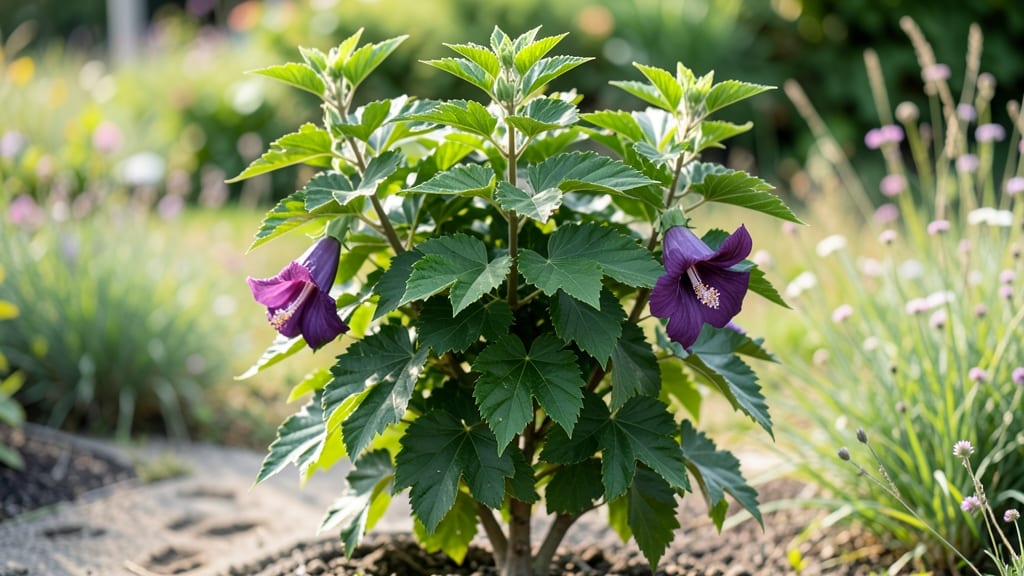
The rose of sharon root system is a hidden powerhouse that lets this shrub reach 8-10 feet tall while staying surprisingly compact underground. 🌿 I've learned the hard way that planting too shallow or ignoring root space leads to floppy stems and fewer blooms—even with perfect pruning above ground.
This plant develops a deep, fibrous root system that spreads 3-5 feet wide but stays concentrated in the top 12-18 inches of soil. The key to thriving plants is mimicking its natural conditions: loose, well-draining soil with plenty of organic matter.
When you plant, dig a hole twice as wide as the root ball but only slightly deeper—this prevents waterlogging while encouraging those critical lateral roots to spread outward.
📚 In This Guide
- What you need
- Instructions
- Tips and common mistakes
- Wrapping up and next steps
What you need
- ● Rose of Sharon plants: 1–3 bare-root or potted specimens (choose disease-resistant varieties like 'Alice Dunn' or 'U.S. PPAF' for best results).
- ● Well-draining soil: 2–3 cubic yards of a mix blending: 60% native topsoil
- ● 30% compost (aged, not fresh)
- ● 10% perlite or coarse sand (for aeration)
- ● Organic matter: 1–2 gallons of compost or worm castings per planting hole.
- ● Fertilizer: Required: 1 lb of balanced 10-10-10 granular fertilizer (or slow-release 5-10-5 for organic gardens).
- ○ Optional: 1 cup of bone meal (for phosphorus-rich root development).
- ● Mulch: 2–3 inches of wood chips or straw (avoid pine bark—it’s too acidic).
- ● Shovel or spading fork (for digging holes 2x wider and 12–18" deep).
- ● Garden trowel (for adjusting roots and soil).
- ● Gloves (heavy-duty for handling roots).
- ● Watering can or hose with a gentle spray nozzle (avoid high pressure).
- ○ Optional but helpful: Soil pH tester (aim for 6.0–7.0; amend with lime or sulfur if needed).
- ● Root stimulator (like mycorrhizal fungi or kelp meal for faster establishment).
- ● Sunlight: Full sun (6+ hours/day)—partial shade may stunt root growth.
- ● Water access: Drip irrigation or a soaker hose (Rose of Sharon hates soggy roots!).
- ● Space: 6–10 feet apart (roots spread widely!).
- ● Timing: Plant in early spring (before buds swell) or fall (6 weeks before frost).
Understanding the Rose of Sharon root system: how to cultivate strong underground support
This shrub’s dramatic height and vibrant blooms depend entirely on a healthy root system—here’s how to nurture it from the ground up.
🌱 Step 1: Observe the Natural Root Structure for Planting Depth
The Rose of Sharon (Hibiscus syriacus) develops a deep, fibrous root system that can reach 3-5 feet below the soil surface. When planting, position the root ball so the top sits 1-2 inches below the soil line—this encourages roots to spread horizontally while still accessing deeper moisture. I always dig the planting hole twice as wide as the root ball to prevent root restriction, which can stunt growth and reduce flowering.
Loosen the roots gently if they’re circling the root ball—this prevents girdling, where roots strangle themselves as the plant matures. The goal is a well-aerated root zone that mimics the shrub’s natural habitat in temperate woodlands. Amend the native soil with compost (but avoid heavy amendments like peat moss, which can compact). You’ll see stronger stems and more abundant blooms when roots establish freely.
💧 Step 2: Water Deeply to Encourage Root Expansion
Newly planted Rose of Sharon needs 1-1.5 inches of water per week for the first 30 days to establish roots. Water deeply 2-3 times per week (or daily if temperatures exceed 85°F) until the soil is moist 12 inches below the surface. I use a soaker hose or drip irrigation to deliver water slowly—this prevents runoff and encourages roots to grow deeper rather than staying shallow.
Watch for wilting leaves in the afternoon—this is your signal to water immediately. Overwatering is just as harmful as underwatering; the soil should feel damp but not soggy two inches down. Mulch with 2-3 inches of organic mulch (like shredded bark) to retain moisture and regulate soil temperature, which promotes steady root growth.
☀️ Step 3: Provide Full Sun and Well-Draining Soil for Root Health
Rose of Sharon thrives in full sun (6-8 hours daily) and well-draining soil—poor drainage leads to root rot, which weakens the plant and reduces flowering. If your soil is clay-heavy, mix in sand or perlite to improve drainage before planting. I test soil drainage by digging a 12-inch hole, filling it with water, and checking if it drains within 4-6 hours. If not, amend further.
In hot climates, afternoon shade protects roots from drying out, but morning sun is ideal for photosynthesis. You’ll notice healthier foliage and more buds when roots have access to both sunlight and moisture. Avoid compacted soil—roots need oxygen to expand, and dense soil suffocates them. Aerate the soil annually with a garden fork to maintain porosity.
✂️ Step 4: Prune Strategically to Stimulate Root Growth
Prune Rose of Sharon in late winter or early spring before new growth begins. Cut back one-third of the oldest stems to 6-12 inches above the ground—this redirects energy to new roots and shoots. I always prune just above an outward-facing bud to encourage bushier growth. Avoid heavy pruning in fall, as new growth won’t harden off before winter.
Remove dead, diseased, or crossing branches first—they drain the plant’s energy and can harbor pests. You’ll see faster recovery and more vigorous blooms the following season if roots aren’t competing with weak stems. For established shrubs, a light pruning in midsummer after flowering encourages a second flush of blooms and keeps the root system active.
🌿 Step 5: Monitor for Root Stress and Adjust Care
Yellowing leaves or stunted growth often signal root stress—common causes include overwatering, compacted soil, or pests like grubs. Check for mushy roots (root rot) or chewed roots (grubs). If roots are mushy, reduce watering and improve drainage immediately. For grubs, apply beneficial nematodes or neem oil to protect roots without harming the plant.
In drought-prone areas, deep watering every 10-14 days (instead of frequent shallow watering) trains roots to seek moisture deeper underground. You’ll see taller, sturdier stems when roots develop a strong taproot. Fertilize lightly in early spring with a balanced 10-10-10 formula—too much nitrogen promotes leafy growth at the expense of roots and flowers.
Tips & tricks for cultivating a thriving Rose of Sharon root system
Here's what nobody tells you about nurturing those hidden roots that make all the difference for your shrub's towering beauty.
Root Zone Preparation: Before planting, test your soil's natural drainage by digging a 12-inch hole and filling it with water. If it doesn't drain within 4-6 hours, you'll need to amend with sand or perlite to create that perfect aerated environment. I once planted in unamended clay soil and spent months watching my Rose of Sharon struggle—don't make that mistake. The goal is to mimic its woodland habitat where roots can breathe and expand freely.
Watering Wisdom: Those first 30 days are critical for root establishment, but timing matters just as much as quantity. Water in the morning to allow soil to dry slightly during the day, preventing fungal growth. I've found that using a soaker hose delivers water exactly where roots need it most—12 inches below the surface—without wasting a drop. Watch for afternoon wilting as your signal, but remember: soggy soil two inches down is just as harmful as dry soil.
Pruning Precision: When you prune those one-third of oldest stems in late winter, make your cuts just above an outward-facing bud at 6-12 inches above ground. This isn't just about shaping—it's redirecting energy to new root growth. I learned this the hard way after seeing my shrub produce fewer blooms from poor pruning choices. The key is to think underground: every cut above ground should stimulate what's happening below.
Seasonal Soil Care: Don't forget to aerate your soil annually with a garden fork. Compacted soil suffocates roots, and you won't see the telltale signs until it's too late. In drought-prone areas, switch to deep watering every 10-14 days instead of frequent shallow watering—this trains roots to develop that strong taproot that supports those towering stems. The difference in stem strength after just one season of proper aeration is remarkable.
Pro Tips for Rose Of Sharon Root System
- Here's what nobody tells you about nurturing those hidden roots that make all the difference for your shrub's towering beauty.
- Root Zone Preparation: Before planting, test your soil's natural drainage by digging a 12-inch hole and filling it with water.
- Watering Wisdom: Those first 30 days are critical for root establishment, but timing matters just as much as quantity.
Frequently asked questions
Got questions about nurturing the Rose of Sharon root system? You’re not alone! Here are some of the most common queries—plus straightforward answers to help you grow thriving plants with confidence.
How deep do Rose of Sharon roots actually grow?
The roots of a healthy Hibiscus syriacus can extend 3–5 feet deep and spread 10–15 feet wide over time. While they’re not as aggressive as some trees, they thrive in well-draining soil with plenty of space. Pro tip: Avoid planting near sidewalks or foundations—roots can crack pavement over years!
When is the best time to plant Rose of Sharon for optimal root growth?
Plant in early spring or fall when temperatures are mild (50–70°F). Roots establish faster in cooler weather, and the plant won’t stress from heat or drought. Skip summer planting—intense sun and dry soil can stunt root development.
Can I transplant an established Rose of Sharon without damaging its roots?
Yes, but timing and technique are key! Transplant in early spring or fall, water deeply 2–3 days before moving, and prune roots gently with a sharp spade. Warning: Large plants may take 1–2 years to recover fully. Mulch heavily after transplanting to protect roots.
Why are my Rose of Sharon leaves yellowing? Is it a root issue?
Yellow leaves often signal root stress—check for overwatering, poor drainage, or compacted soil. Other culprits: nutrient deficiencies (like iron) or root rot (from soggy soil). Fix it: Improve drainage, amend soil with compost, and avoid soggy conditions.
Are there any root-hardy alternatives to Rose of Sharon for small gardens?
If space is limited, try these low-spreading, root-friendly shrubs:
- Butterfly Bush (Buddleia) – Fast-growing but slightly less invasive.
- Dwarf Fothergilla – Compact roots, fragrant blooms.
- Abelia – Shallow roots, drought-tolerant.
Wrapping up and next steps
Understanding the Rose of Sharon root system is your secret weapon for cultivating a thriving, long-lived shrub with stunning blooms! 🌿 From its deep taproot to its fibrous network, these roots are the backbone of its resilience and beauty.
Whether you're a seasoned gardener or just starting, this knowledge empowers you to plant, nurture, and enjoy this hardy plant with confidence.
Ready to put your newfound expertise to work? Grab your gardening tools, pick a sunny spot, and give your Rose of Sharon the strong foundation it deserves! Your future blooms will thank you!