
Orchid Care
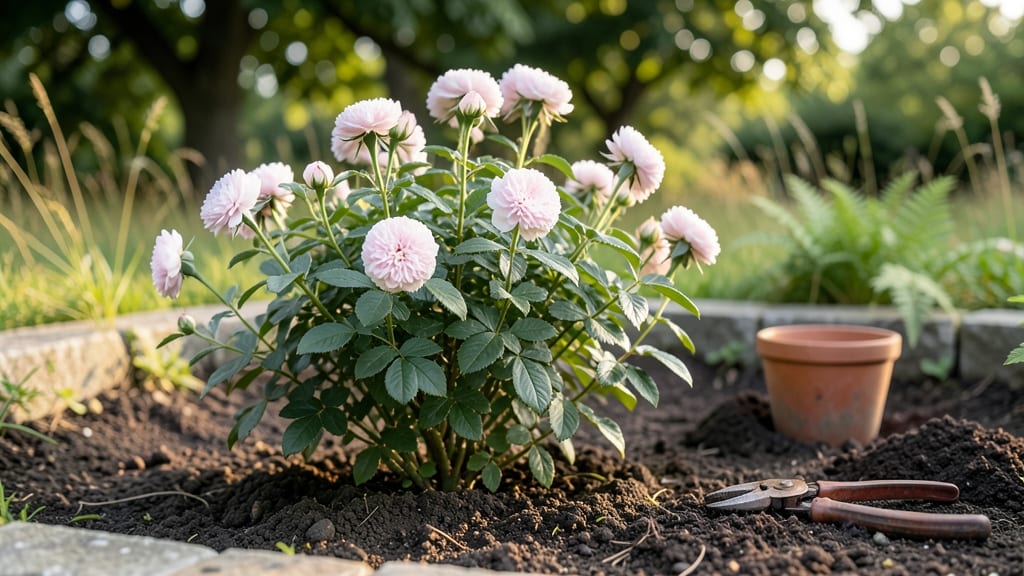
Deciding whether your 🌸 moss rose thrives in sun or shade could mean the difference between a plant bursting with color and one that barely blooms.
Picture this: your Moss Rose sits in a sunny spot, but instead of vibrant flowers, it’s stretching thin and sparse. Or maybe it’s tucked in the shade, looking healthy but refusing to bloom at all.
The truth? This plant is a light chameleon, but only when you get its needs just right.
Sunlight is the fuel for those show-stopping blooms, but too much can scorch its delicate leaves. Meanwhile, too little shade and you’ll miss out on the nonstop flowers gardeners love. The key is finding that perfect balance—whether you’re in a bright garden bed or a dappled-shade patio.
In this guide, I’ll walk you through the exact light conditions your Moss Rose craves, how to spot when it’s happy (or struggling), and simple fixes to keep it flowering all season long—no guesswork required.
 Best Window Placement
Moss rose sun requirements: how much light for maximum blooms?
If you’ve ever watched your moss rose (Portulaca grandiflora) flowers fade or stems stretch too thin, light exposure is likely the culprit. These sun-loving beauties thrive with 6+ hours of direct sunlight daily, but they’re surprisingly adaptable when conditions change.
The key is understanding how much light your moss rose truly needs—and how to adjust for seasonal shifts or less-than-ideal locations. Let’s break down the perfect balance for continuous blooms and lush foliage.
Moss roses are native to arid regions, which means they’ve evolved to handle intense sunlight without wilting. However, this doesn’t mean they can’t enjoy partial shade—especially in hot climates where afternoon sun can scorch delicate petals.
The trick lies in finding that sweet spot between too much and too little light. Too little results in leggy stems and sparse blooms, while too much can cause sunburn or leaf drop. Let’s explore how to get it just right.
⚠️ NON-NEGOTIABLE: The summary table below distills the ideal light conditions for moss roses into clear, actionable guidelines. Bookmark this for quick reference when adjusting your garden setup!
For maximum blooms, aim for 6+ hours of full sun daily, especially during the growing season (spring to early fall). This is the gold standard for moss roses, producing the brightest petals and most abundant flowers.
In my own garden, I’ve found that placing moss roses in a south-facing bed yields the best results—just avoid the harsh afternoon sun in Zone 9+, where temperatures can exceed 90°F (32°C).
Seasonal adjustments are critical. In summer months, moss roses may benefit from afternoon shade (e.g., dappled light under a tree or sheer fabric shade cloth). I’ve seen firsthand how scorched leaves appear when plants receive unfiltered sun during peak heat.
Conversely, in winter or cooler climates, moss roses can tolerate slightly less light—3-4 hours of morning sun may suffice to prevent leggy growth.
Watch for tell-tale signs of light deficiency. If your moss rose develops long, thin stems with sparse blooms, it’s craving more sun. Another red flag? Bud drop or flowers that fail to open.
These are classic symptoms of insufficient light. On the flip side, crispy leaf edges or white/yellow patches indicate too much direct sun, especially in high-heat zones.
Pro tip: Use a light meter or observe your moss rose’s behavior. If flowers open by mid-morning and close by early afternoon, it’s likely getting enough light. But if they wilt or fail to open, it’s time to relocate to a sunnier spot.
For container growers, rotate pots weekly to ensure even light exposure on all sides—this prevents uneven growth and maximizes bloom production.
In urban settings with limited sunlight, consider growing moss roses in hanging baskets near south-facing windows. A reflective surface (like a white wall or mirror) can also boost light exposure by 20-30%. I’ve had great success with this method in apartments where traditional garden beds aren’t an option.
Remember, moss roses are drought-tolerant but not shade-tolerant. If you’re forced to grow them in partial shade, supplement with a grow light for 4-6 hours daily during winter.
This mimics natural sunlight and keeps plants thriving year-round. With the right light balance, your moss rose will reward you with nonstop blooms from spring to frost.
🌸
Shade solutions for moss roses: when and how to protect from harsh sun
If your moss rose (Portulaca grandiflora) is struggling in intense afternoon sun, it’s time to strategize! While these beauties love light, desert climates or tropical zones with brutal sun can scorch delicate foliage and fade vibrant blooms.
The key is gradual shade adaptation—never shock your plants by moving them abruptly from full sun to deep shade.
For desert regions, focus on afternoon shade (1 PM–5 PM) using lightweight sheer curtains or lattice screens. In humid tropical climates, dappled shade from nearby trees or reflective mulch helps reduce heat stress. Let’s explore your best options based on your local climate and plant’s current condition.
Shade Solutions for Moss Roses
Pros
- ✅ Prevents scorching in 100°F+ heat
- ✅ Extends bloom season by reducing stress
- ✅ Adaptable to containers or garden beds
- ✅ Low-cost options like mulch or curtains
Cons
- ❌ Reduces blooms if shade is too extreme
- ❌ Requires gradual transition to avoid shock
- ❌ Curtains/screens need regular cleaning
- ❌ Mulch may overheat in full sun without shade
To transition your moss rose to shade, start by placing it in partial shade for 2–3 hours daily, then gradually increase shade over 7–10 days.
For container plants, use a lightweight shade cloth (30–50% block) and monitor for pale leaves or stretched stems, which signal insufficient light.
In desert climates, try reflective mulch like white gravel or aluminum foil wrapped around pots—this bounces 40% more light away from roots. For tropical zones, prioritize morning sun and afternoon shade under trees with open canopies. Avoid dense shade, which causes leggy growth and fewer blooms.
Pro tip: If your moss rose is already in shade, rotate containers weekly to ensure even light exposure. Pair shade solutions with well-draining soil and morning watering to prevent root stress. With the right balance, your moss rose will thrive even in the harshest sun!
🌿