
Planting
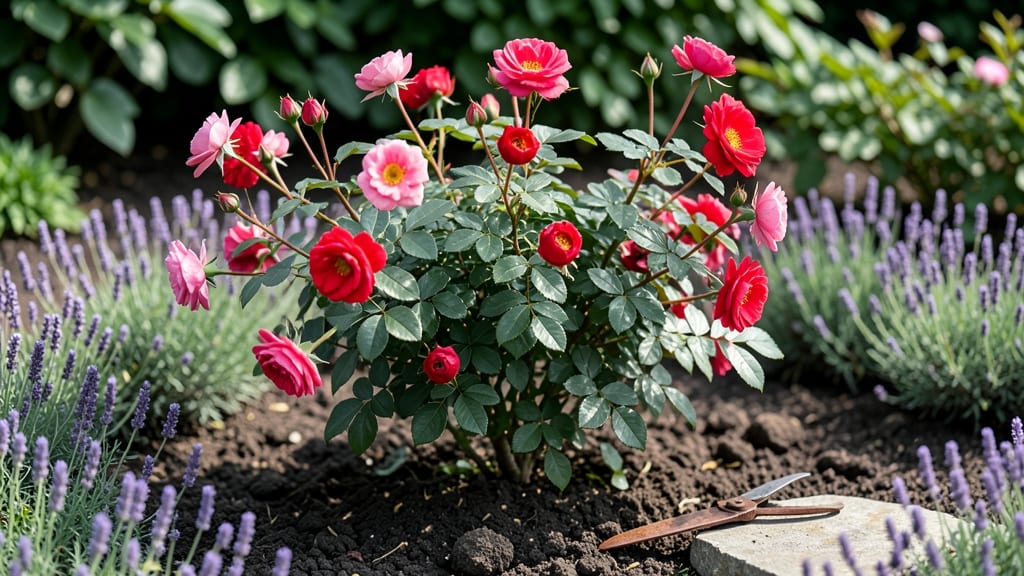
Growing roses indoors as houseplants means fragrant blooms in every season—though it takes more patience than outdoor roses. 🌹 I’ve nurtured my own indoor roses for years, and the secret lies in mimicking their natural habitat with precise light, humidity, and care.
Unlike outdoor roses, these need consistent attention to thrive year-round, but the reward is worth it.
The right setup starts with dwarf or miniature varieties that adapt well to indoor spaces. You’ll need a sunny window (or a grow light for 12-16 hours daily), well-draining soil, and a humidity tray to combat dry indoor air.
Pruning regularly keeps them compact, and a balanced fertilizer every 4-6 weeks ensures those signature blooms keep coming.
By summer’s end, your indoor rose could be covered in buds, filling your home with that classic scent. The key is watching for signs of stress—yellow leaves mean overwatering, while leggy growth signals a need for more light. With the right care, these roses stay productive for years, even indoors.
If you’re transitioning outdoor roses inside, do it gradually over 2 weeks to avoid shock. And remember: indoor roses are a labor of love, but the fragrant payoff makes every extra step worthwhile.
📚 In This Guide
- What you need
- Instructions
- Tips and common mistakes
- Wrapping up and next steps
What you need
- ● Rose House Plant: Choose a Rosa chinensis (e.g., 'Old Blush' or 'Cécile Brünner') or a dwarf hybrid tea rose. Look for healthy, disease-free plants with 2-3 sturdy canes.
- ● Well-Draining Potting Mix: 1 gallon of a blend like 50% peat moss or coconut coir, 30% perlite or pumice, and 20% compost or worm castings. Avoid heavy garden soil!
- ● Pot: A container with drainage holes, 12-16 inches in diameter (for mature plants) and at least 10 inches deep. Terracotta or fabric pots work best.
- ● Slow-Release Fertilizer: A balanced, rose-specific fertilizer (e.g., 10-10-10 or 5-10-5) or organic options like fish emulsion or bone meal. Use 1-2 tablespoons per plant at planting.
- ● Pruning Shears: Sharp, sterilized shears (rubbing alcohol works) to trim dead or overgrown canes.
- ● Watering Can: With a rose or spray nozzle for gentle hydration.
- ● Grow Lights: A full-spectrum LED grow light (12-16 hours/day) if natural light is limited (e.g., 15-20W bulb for small plants).
- ● Mulch: Pine bark or straw (1-2 inches) to retain moisture and regulate temperature.
- ● Epsom Salt: 1 tablespoon dissolved in 1 gallon of water monthly for magnesium boosts.
- ● Support Stakes: 3-4 foot bamboo or metal stakes to train climbing varieties.
- ● Humidity Tray: A shallow tray with pebbles and water to increase humidity in dry climates.
How to grow a thriving rose house plant
Here's how to coax those classic rose blooms indoors—with the right light, care, and a little patience.
🌱 Step 1: Select the Right Variety and Plant It Properly
Choose a miniature rose bush or patio rose variety bred for containers—these handle indoor conditions best. Look for healthy plants with firm stems and no yellowing leaves. I like to repot mine in spring when new growth begins, using a 6-8 inch pot with drainage holes.
Fill the pot with well-draining potting mix (never garden soil—it compacts and rots roots). Loosen the root ball gently before placing it in the pot, then backfill with mix, leaving 1 inch between the soil and rim. Press lightly to remove air pockets, but don’t compact the soil too firmly.
☀️ Step 2: Place in Bright, Indirect Light
Roses need 6+ hours of bright, indirect light daily—a south-facing window works best, but east or west exposures can work if supplemented with a grow light. Avoid harsh midday sun, which scorches leaves. You’ll notice leaves turning pale or stretching toward light? That’s a sign to move the plant closer to the window or add a grow light.
Rotate the pot quarter-turn weekly so the plant grows evenly. If you see new buds forming, that’s your reward—it means the light is just right. In winter, when sunlight fades, supplement with a full-spectrum LED grow light kept 6-12 inches above the plant for 12-14 hours daily.
💧 Step 3: Water and Fertilize for Consistent Blooms
Water when the top inch of soil feels dry—stick your finger in to check. Overwatering is the #1 killer of house roses, so always use a pot with drainage and empty the saucer after watering. I water deeply until it runs out the bottom, then wait until the soil dries slightly before watering again.
Feed every 2-4 weeks with a balanced liquid fertilizer (10-10-10) during spring and summer for blooms. In fall and winter, cut back to monthly or stop fertilizing entirely—resting helps the plant rebound. Deadhead spent blooms by snipping just above a set of healthy leaves to encourage more flowers.
✂️ Step 4: Prune for Health and Shape
Prune in early spring before new growth starts. Cut back one-third of the oldest stems to encourage fresh, vigorous growth. Remove any dead, diseased, or crossing branches with clean, sharp pruners. I like to shape the plant into a rounded bush—this improves airflow and light penetration, which keeps blooms coming.
After pruning, give the plant a light trim of high-nitrogen fertilizer to support new leaf growth. Avoid heavy pruning in fall or winter—it stresses the plant when it’s already resting. If you see shriveled leaves or black spots, that’s often a sign of overwatering or fungal issues—adjust your care routine immediately.
🪴 Step 5: Maintain Humidity and Watch for Pests
Roses love moderate humidity—aim for 40-60%. In dry winter air, I place the pot on a pebble tray filled with water (never let the pot sit in water). Mist the leaves lightly in the morning, but avoid wetting the blooms—this can cause spots or mildew.
Check the undersides of leaves weekly for aphids, spider mites, or whitefly. I spray with neem oil at the first sign of pests—it’s organic and effective. If you see yellowing leaves, it could be overwatering, nutrient deficiency, or even root rot. Adjust your watering schedule and check the roots for mushy, dark areas.
Tips & tricks for growing fragrant indoor roses
Here’s what I’ve learned after years of bringing roses indoors—these small tweaks make all the difference between a struggling plant and one that blooms like crazy.
Light Strategy: That 6+ hours of bright, indirect light is non-negotiable, but here’s the secret: if your south-facing window gets harsh afternoon sun, use a sheer curtain to diffuse it. I’ve seen roses get sunburned in just a few hours of direct rays—watch for crispy edges on leaves as your warning sign. For winter growing, invest in a basic LED grow light (around $20) and position it 10-12 inches above the plant for those critical 12-14 hours.
Pruning Precision: When you’re cutting back one-third of the oldest stems in Step 4, make your cuts at a 45-degree angle just above a leaf node (the bump where leaves grow). This encourages new growth from exactly where you want it. I always sterilize my pruners with rubbing alcohol between cuts to prevent spreading disease—trust me, you’ll thank me when your plant doesn’t develop black spots.
Watering Wisdom: The "top inch dry" rule is perfect, but here’s how to take it further: use a moisture meter for your rose pot—aim for readings between 30-50% moisture. Overwatering is silent killer #1, but underwatering causes buds to drop before opening. I’ve found that pots with self-watering reservoirs (like the Lechuza brand) help maintain consistent moisture without the guesswork.
Fertilizer Timing: That 2-4 week feeding schedule in spring/summer works, but here’s the pro move: switch to a bloom-specific fertilizer (like 5-10-5) when you see buds forming. The extra phosphorus boosts flowering power. And when you stop fertilizing in fall/winter, flush the soil with plain water after the last feeding to clean out any salt buildup from the fertilizer—your roots will thank you next spring.
Pro Tips for Rose House Plant
- Here’s what I’ve learned after years of bringing roses indoors—these small tweaks make all the difference between a struggling plant and one that blooms like crazy.
- Light Strategy: That 6+ hours of bright, indirect light is non-negotiable, but here’s the secret: if your south-facing window gets harsh afternoon sun, use a sheer curtain to diffuse it.
- Pruning Precision: When you’re cutting back one-third of the oldest stems in Step 4, make your cuts at a 45-degree angle just above a leaf node (the bump where leaves grow).
Frequently asked questions
Got questions about keeping your rose house plant thriving? You’re not alone! Here are answers to the most common queries—from pruning to pests and everything in between.
How often should I water my rose house plant?
Water your rose house plant when the top 1-2 inches of soil feel dry. Overwatering is a common issue—always ensure the pot has drainage holes to prevent root rot. In winter, reduce watering to every 2-3 weeks, as growth slows.
When and how should I prune my indoor rose?
Prune in early spring (just before new growth) to shape the plant and encourage blooms. Use clean, sharp scissors to cut just above a leaf node at a 45-degree angle. Remove dead or yellowing leaves year-round. Pro tip: Never prune more than 1/3 of the plant at once!
What are the most common pests for rose house plants?
Watch for aphids, spider mites, and whiteflies. Wipe leaves with a damp cloth or spray with neem oil (diluted) for mild infestations. For severe cases, isolate the plant and treat with insecticidal soap. Act fast!
Can I grow a rose house plant without direct sunlight?
While roses love bright, indirect light, they can survive with 6+ hours of artificial grow lights (LED or fluorescent). Place the plant near a south-facing window if possible, but rotate it weekly for even growth. Yellow leaves? It might need more light!
Why isn’t my rose house plant blooming?
Lack of blooms often stems from low light, over-fertilizing, or not enough pruning. Ensure it gets 6+ hours of light daily, use a balanced fertilizer (half-strength) every 4-6 weeks in spring/summer, and prune regularly. Patience helps—some varieties take 6-12 months to flower!
Wrapping up and next steps
Growing a rose house plant is a rewarding journey that brings beauty, fragrance, and a touch of nature indoors! 🌸 With the right care—like bright light, well-draining soil, and consistent watering—you’ll enjoy stunning blooms year-round.
Whether you’re a beginner or a seasoned plant parent, these tips make it easy to nurture your own fragrant haven.
Ready to take the next step? Start with a healthy cutting or young plant, and soon, your home will be filled with the sweet scent of roses! Happy gardening! 🌱