
Advice
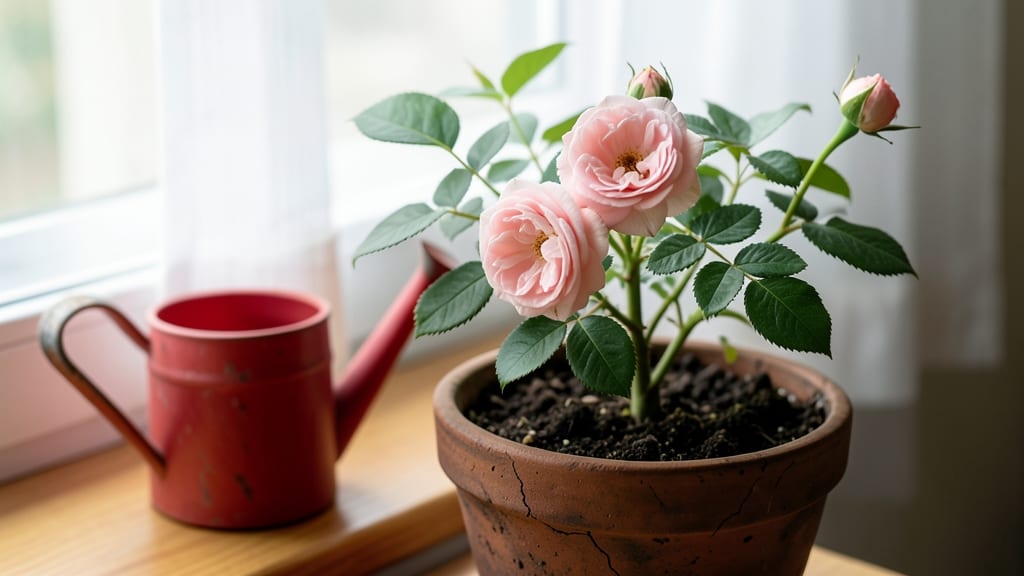
Caring for miniature roses indoors means providing bright indirect light for 6-8 hours daily, using well-draining soil mixed with perlite or sand, and maintaining 40-60% humidity. Trim faded blooms regularly, water at the soil base, and feed monthly with diluted rose fertilizer during growing seasons to keep them flowering abundantly.
Miniature roses thrive indoors when you mimic their natural outdoor environment as closely as possible. 🌸 The key is balancing light exposure—too little causes leggy growth, while direct sun can scorch delicate petals.
I've found that placing them near east or south-facing windows works best, but supplement with a grow light if natural light falls short. Humidity is equally critical; dry indoor air can cause buds to drop, so a pebble tray with water beneath the pot helps maintain ideal moisture levels.
For soil, a mix of one-third perlite or coarse sand with two-thirds potting mix creates the perfect drainage while retaining moisture. Watering from the bottom prevents fungal issues, and I always check soil moisture by sticking my finger an inch deep—water only when it feels dry.
During winter, reduce watering slightly and stop fertilizing to let the plant rest, then ramp up care in spring when new growth appears.
💡 In This Article
- Indoor Light Requirements for Thriving Miniature Roses
- Soil and Watering Strategies for Healthy Indoor Miniature Roses
Indoor light requirements for thriving miniature roses
Miniature roses need 6-8 hours of bright, indirect light daily because they rely on photosynthesis to produce energy for blooming. The ideal light spectrum mimics natural sunlight, with a balance of blue (6000-7000K) and red wavelengths (around 660nm) that trigger chlorophyll production and flower development.
South-facing windows provide the strongest natural light, but east-facing windows work well too—just rotate your plant every few days to ensure even growth. 🌿 Without enough light, you'll notice leaves turning yellow or stems stretching excessively in search of sunlight, a condition called etiolation.
Grow lights become essential when natural light falls short, especially in winter months. A full-spectrum LED bulb with 10,000K color temperature placed 12-18 inches above the plant provides optimal conditions. I recommend a 12-14 hour photoperiod during fall/winter to compensate for shorter daylight hours.
The light should be positioned so the plant receives illumination from all sides, preventing one-sided growth. For example, a 20-watt LED bulb can effectively supplement light for 2-3 plants, but larger setups may need stronger bulbs or multiple fixtures.
Seasonal adjustments are crucial because light intensity varies throughout the year. In summer, when sunlight is most intense, place your miniature roses slightly farther from windows to prevent leaf scorching. The ideal distance is about 2 feet from the glass, where light remains bright but indirect.
During winter, when days are shorter, supplement with grow lights for 4-6 additional hours if natural light drops below 6 hours daily. This extra light helps maintain the plant's energy reserves for spring blooming cycles.
Watch for these common signs of light deficiency: yellowing leaves (especially on lower stems), sparse or no blooms, and weak, leggy stems that flop over. These symptoms indicate the plant isn't getting enough light to sustain proper growth.
Conversely, too much direct sunlight can cause brown spots on leaves or crispy edges—a clear sign of sunburn. 🌞 The solution is simple: adjust placement or use sheer curtains to diffuse harsh light while maintaining brightness.
For optimal results, combine natural light with grow lights strategically. Place your plants near the brightest window in your home, then supplement with grow lights during early morning or late afternoon when natural light is weakest. This creates a more consistent light environment that mimics outdoor conditions.
For example, if your south-facing window only provides 4 hours of strong light in winter, add 2 hours of grow light in the morning and 2 hours in the evening to reach the 6-8 hour daily requirement.
Pro tip: Rotate your plants quarter-turn weekly to prevent them from growing toward one light source. This ensures even exposure and helps maintain symmetrical bushy growth. The key is observing your plants—if they start leaning or growing unevenly, it's time to adjust their position or lighting setup.
With the right light balance, your miniature roses will reward you with continuous blooms throughout the year.