
Shrubs
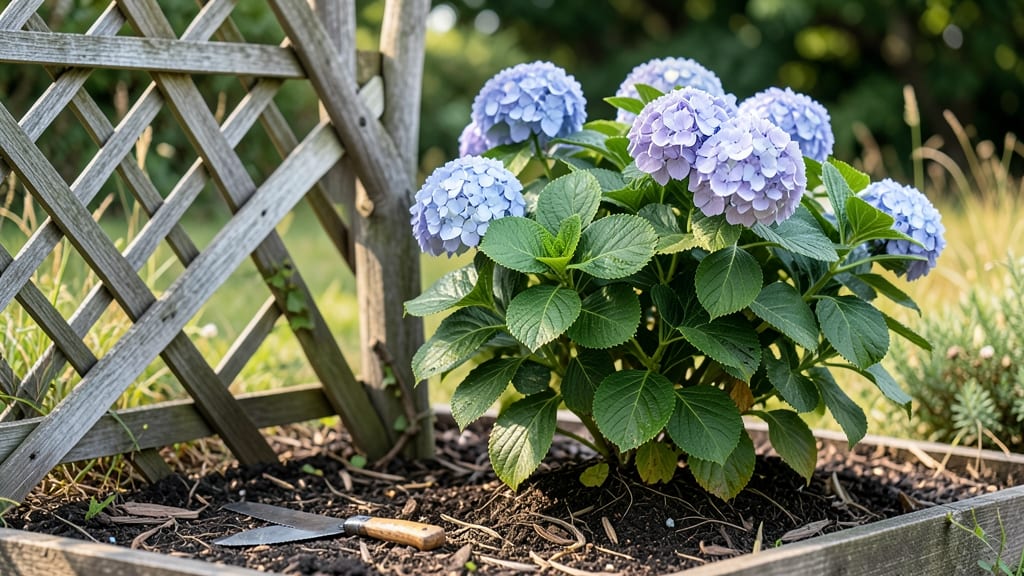
Deciding between a rose bush and a climbing rose changes everything about your garden’s fragrance and structure. 🌹 I’ve pruned both for years, and the difference isn’t just in height—it’s in how they live in your space.
One thrives as a standalone statement, while the other becomes a living tapestry climbing trellises or fences. The shrub rose grows bushy and compact, perfect for borders or hedges, with sturdy canes that support themselves.
You’ll prune it annually to encourage dense blooms and keep its shape neat—think 3-4 feet tall, depending on the variety. Climbing roses, though, stretch 6-20 feet or more, needing strong support like arbor structures or sturdy wires.
Their canes are thinner, and pruning focuses on training them upward while removing old growth. What you’ll love about shrub roses is their abundant, repeat blooms and easy maintenance—ideal for cutting gardens or low-maintenance landscapes. Climbing roses, though, reward patience with dramatic vertical displays and intoxicating fragrance.
They need more attention but create breathtaking focal points, like a floral arch or a trellis-covered wall. Choose shrub roses for quick impact and climbing roses for grand statements. Both thrive in full sun and well-drained soil, but their pruning and support needs couldn’t be more different.
Let’s break down how to make each work for your garden!
The first product explained
Meet the Knock Out® Rose 'Radrazz'—a game-changer for gardeners who love the classic beauty of roses but crave low-maintenance, high-impact results! 🌹✨ This rose bush variety is a hybrid of Rosa rugosa and Rosa hybrida, bred to deliver vibrant blooms, disease resistance, and effortless growth—without the fuss of climbing roses.
Perfect for beginners and busy gardeners, this bush thrives in USDA Zones 4-9 and blooms continuously from spring to frost, turning your garden into a non-stop floral show.
🌿 Key Specs & Features
- Type: Shrub rose (not a climber!) – Grows 3-4 feet tall and wide (ideal for borders, foundation plantings, or containers).
- Color: Deep raspberry-red blooms that fade to pink, with glossy, disease-resistant foliage.
- Fragrance: Subtle, sweet scent—not overpowering but delightfully present.
- Bloom Time: Nearly year-round (with minimal deadheading).
- Hardiness: Extremely cold-resistant (survives down to -30°F/-34°C).
- Light: Full sun (6+ hours/day) for best blooms; tolerates partial shade.
- Soil: Adaptable—thrives in average garden soil, clay, or sandy mixes.
- Watering: Drought-tolerant once established (water deeply 1-2 times/week in dry spells).
- Disease Resistance: Black spot, mildew, and rust-resistant (thanks to its Rosa rugosa heritage!).
🎯 Who’s It For?
This rose is a dream for:
- 🌆 Urban gardeners with small spaces (containers, balconies, or tight yards).
- 👩🌾 Low-maintenance lovers who hate pruning headaches (it rarely needs trimming!).
- 🐝 Pollinator-friendly gardeners—bees and butterflies adore its blooms!
- 🏡 Homeowners looking for colorful, long-lasting curb appeal with zero fuss.
- 🌡️ Cold-climate gardeners in Zones 4-9 (it’s built to tough it out!).
💰 Price Point & Where to Buy
Priced at $39.99–$59.99 per plant (varies by retailer and size), the Knock Out® 'Radrazz' offers exceptional value for its durability, beauty, and ease of care. You’ll find it at:
- Local nurseries (call ahead—popular variety!).
- Online retailers: Wayfair, Proven Winners, Amazon.
- Big-box stores: Home Depot, Lowe’s (seasonal availability).
Pro Tip: 💡 Buy in early spring for the best selection and plant immediately to encourage root growth before summer heat!
The second product explained
Meet the climbing rose—your garden’s vertical dream come true! 🌸✨ Unlike its bushy cousin, this elegant variety is all about height, drama, and show-stopping blooms. Perfect for trellises, fences, or arbors, climbing roses transform bare walls into lush, fragrant canopies. Here’s everything you need to know about this romantic, high-reaching powerhouse.
🌿 Key Specs & Features
Climbing roses are not your average shrub. They’re architectural stars with:
- Vigorous growth: Canes grow 6–25 feet (or more!) with proper support—think Eden Rose ‘New Dawn’ (15–20 ft) or ‘Blaze’ (12–15 ft).
- Larger, showier blooms: Flowers often 3–6 inches wide, with clusters that steal the show. 🌺
- Fragrance overload: Many varieties (like ‘Zephirine Drouhin’) burst with intense, intoxicating scents.
- Seasonal flexibility: Some bloom once per year (spring/summer), while repeat bloomers (e.g., ‘The Fairy’) gift you flowers all season.
- Support-dependent: Needs a strong trellis, fence, or arbor—no support = floppy, tangled mess.
🎯 Who’s This For?
Climbing roses are ideal for gardeners who love:
- 🏡 Vertical gardening: Maximize small spaces with living walls or pergolas.
- 🌹 Dramatic displays: Weddings, photoshoots, or just wow factor in your yard.
- 👩🌾 Patience & commitment: They take 2–3 years to mature but reward you with decades of blooms.
- 🌿 Fragrance lovers: Few things beat the scent of a climbing rose in full bloom.
💰 Price Point & Value
Climbing roses cost more upfront but deliver long-term beauty:
- Bare-root plants: $25–$60 (e.g., David Austin or Conrad Ferguson varieties).
- Potted roses: $40–$100+ (look for disease-resistant hybrids like ‘New Zealand’ series).
- Grafted vs. own-root: Grafted roses (e.g., ‘Iceberg’) may cost more but offer stronger, more predictable growth.
Pro tip: 💡 Buy from reputable nurseries (e.g., Jackson & Perkins or local specialty growers) to avoid weak or diseased stock. Invest in high-quality canes—they’re the backbone of your future trellis masterpiece!
Head-to-head comparison
Ready to dive into the showdown between a classic rose bush and a climbing rose? Whether you're dreaming of a lush garden hedge or a romantic trellis adorned with blooms, understanding their differences is key to pruning like a pro.
Let’s break it down in a side-by-side comparison that covers everything from growth habits to fragrance—so you can pick the perfect rose for your vision! 🌹✨
🌿 Growth Habit & Structure
This is where the two stars of our show really shine—or should we say, climb?
| Feature | Rose Bush | Climbing Rose |
|---|---|---|
| Height Potential | Typically 3–5 feet tall (though dwarf varieties can be shorter). | Can reach 10–25 feet or more with proper support! |
| Growth Form | Bushy, multi-stemmed, and rounded. Great for hedges or standalone shrubs. | Long, arching canes that need a trellis, fence, or arbor to thrive. |
| Branching | Dense branching with many side shoots, creating a full, compact look. | Fewer side branches; relies on one or two main canes for height. |
| Space Needs | Plant 2–3 feet apart for a hedge or 3–4 feet for standalone bushes. | Give them 6–10 feet of space to sprawl—climbers hate being crowded! |
💡 Pro Tip: If you love the look of a climbing rose but lack vertical space, try a shrub rose (a hybrid that blends bush and climbing traits)!
🌸 Flowering Performance
Who doesn’t love a garden bursting with blooms? But here’s the twist—these two roses take very different approaches to their floral game.
| Feature | Rose Bush | Climbing Rose |
|---|---|---|
| Bloom Quantity | Moderate to prolific blooms, especially hybrid teas and floribundas. | Fewer but larger, show-stopping blooms—think dramatic clusters! |
| Bloom Frequency | Many varieties bloom repeatedly throughout the season (e.g., Knock Out roses). | Often once-blooming (spring/summer) unless you prune for repeat blooms. |
| Fragrance | Varies widely—some are highly fragrant (e.g., David Austin English roses), others mild. | Many climbing roses are heavily fragrant, especially old garden varieties like Blaze or New Dawn. |
| Flower Size | Smaller to medium-sized blooms (ideal for cutting). | Large, dramatic flowers—perfect for vertical displays! |
🌡️ Pro Tip: For year-round fragrance, plant a climbing rose near a patio or window—its scent will drift beautifully in the breeze!
🔪 Pruning Requirements
This is where things get critical. Prune wrong, and you might end up with a leggy mess or a rose that refuses to bloom. Let’s set the record straight!
| Feature | Rose Bush | Climbing Rose |
|---|---|---|
| When to Prune | Best in late winter/early spring (before new growth). Light pruning after blooming to encourage more flowers. | Prune in late winter to shape canes, but avoid heavy cuts in fall (can encourage weak growth). |
| How to Prune | Cut back 1/3 of the oldest canes to the base and shape the bush. Remove dead/weak wood. | Select 3–5 strongest canes to train upward. Prune side shoots to 3–5 leaves to promote blooms. |
| Height Control | Easy! Just trim back overgrowth or pinpoint prune to maintain shape. | Requires regular training—tie canes to support and prune aggressively to control height. |
| Deadheading | Encourages more blooms—remove spent flowers regularly. | Remove only faded blooms; avoid cutting back canes unless necessary. |
✨ Pro Tip: Use sharp, clean shears and dip cuts in pruning sealant to prevent disease. And always prune on a dry day!
💰 Cost & Maintenance
Let’s talk real talk: Your wallet and your time. Which rose will give you the most bang for your buck?
| Feature | Rose Bush | Climbing Rose |
|---|---|---|
| Initial Cost | $10–$30 per bush (depending on variety and size). | $20–$50 per plant (canes can be pricier, and you’ll need support structures). |
| Ongoing Costs | Moderate—fertilizer, mulch, and occasional pruning tools. | Higher—may need trellis/fence installation, extra pruning time, and stronger supports. |
| Time Commitment | Low to moderate—regular watering, pruning, and deadheading. | Moderate to high—requires training, tying, and careful pruning to maintain height and blooms. |
| Longevity | Can live 10–20+ years with proper care. | Also long-lived but depends on support—if canes break, the plant may decline. |
Which one should you choose?
So, which rose is the right fit for your garden dreams? The answer depends on your space, goals, and gardening style. Let’s break it down to help you decide!
🌿 Pick a Rose Bush for:
- Small spaces or containers: Rose bushes thrive in pots and compact gardens, making them ideal for patios, balconies, or urban yards.
- Low-maintenance blooms: They require less aggressive pruning and are perfect if you prefer a "set it and forget it" approach (with occasional trims!).
- Fragrance up close: Their dense foliage and clusters of blooms mean you get that intoxicating rose scent without needing to climb anything.
- Year-round structure: Even when not in bloom, their lush foliage adds texture and privacy to borders or hedges.
🌸 Choose a Climbing Rose for:
- Vertical drama: If you want to turn a fence, trellis, or arbor into a romantic masterpiece, climbing roses are your star. They grow tall—think 6 to 20 feet!
- Season-long spectacle: With proper care, they’ll bloom from spring to frost, creating a cascading waterfall of color.
- Maximizing small spaces: They’re perfect for training along walls or pergolas, adding height without taking up ground space.
- Dramatic fragrance: Their long canes often hold more blooms, so you get big whiffs of that classic rose perfume.
💡 Pro Tip: If you’re torn, consider a shrub rose with climbing potential (like the ‘Knock Out’ series) or a standard rose—a bush grafted onto a taller stem for a happy medium!
🌱 Final Verdict:
| Factor | Rose Bush | Climbing Rose |
|---|---|---|
| Space | Compact, ground-hugging | Vertical, needs support |
| Pruning Effort | Moderate (shape + deadhead) | High (train + prune canes) |
| Bloom Quantity | Clustered, frequent | Fewer but larger blooms |
| Fragrance Impact | Strong in clusters | Intense but spread out |
Still unsure? Ask yourself: Do you want easy elegance (bush) or grandeur on a grand scale (climbing)? Your garden’s personality will thank you!