
Pruning
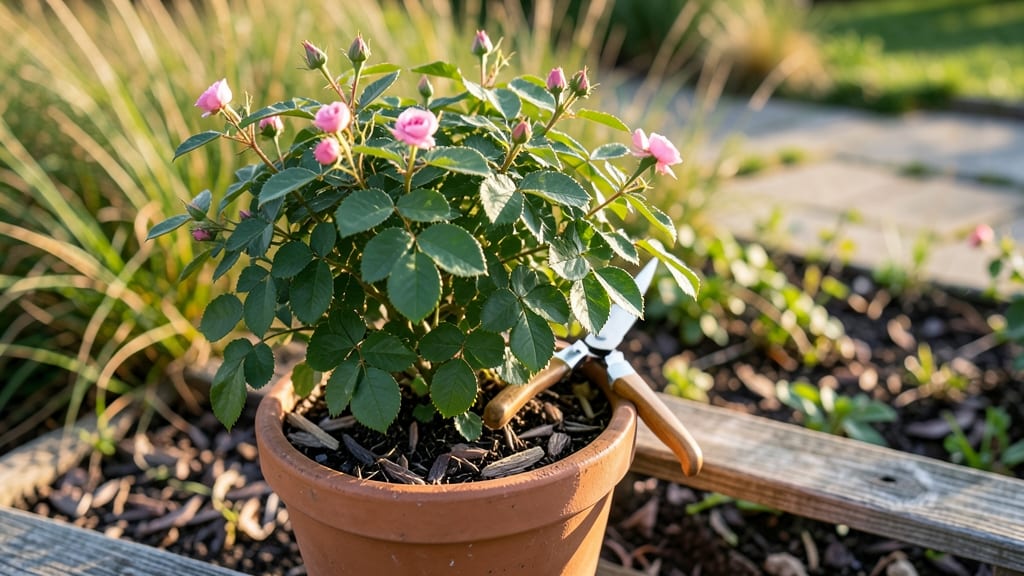
Pruning mini rose bushes unlocks their secret to nonstop blooms—something standard roses can’t match. ✂️ I’ve turned my container roses into lush, flowering machines by mastering a few simple cuts, and the difference is shocking.
These compact bushes need a lighter touch than their full-sized cousins, but timing and technique make all the difference.
The best time to prune is right after blooming or during late winter dormancy—never in summer heat. You’ll use just three tools: sharp bypass pruners, rubbing alcohol (to sterilize cuts), and a small pair of gloves.
The goal? Shape the bush while encouraging new growth from the base. Think of it like giving your rose a haircut that makes it look fuller, not thinner.
After pruning, you’ll see fresh green shoots within 10-14 days, followed by a wave of new blooms in 4-6 weeks. The key is cutting at a 45-degree angle just above an outward-facing bud—this prevents water from pooling and encourages stronger growth.
Avoid cutting into old wood (brown stems), as mini roses bloom on new growth, not old.
This method works for patio containers, window boxes, or even hanging baskets. The only real mistake is over-pruning—stick to removing no more than 1/3 of the bush at a time. With this approach, your mini roses will bloom year-round in containers, outlasting standard roses by a mile.
📚 In This Guide
- What you need
- Instructions
- Tips and common mistakes
- Wrapping up and next steps
What you need
- ● Bypass pruners – Sharp, clean, and sterilized (alcohol or bleach wipe). Choose 5-inch handles for better control.
- ● Hand pruners (felco or similar) – For smaller cuts (¼" to ½" thick stems). Bypass blades (not anvil) prevent crushing.
- ● Disposable gloves – Nitrile or latex-free (if you have allergies) to protect from thorns and sap.
- ● Rubbing alcohol (70% or higher) – For sterilizing tools between cuts (prevents disease spread).
- ● Small bucket or tray – To collect trimmings and dispose of them properly.
- ○ Sharpie marker or pruning sealant – (Optional but helpful for marking cuts or sealing wounds.)
- ● Loppers (for stubborn branches) – If your mini rose has any thicker-than-½-inch stems (rare but possible!).
- ● Hose with nozzle – To clean tools and rinse sap off stems post-pruning.
- ● Pruning saw (for extreme cases) – Only if dealing with woody, thick growth (uncommon in mini roses).
- ● Fungicide spray – (e.g., copper-based) if your roses are prone to black spot or mildew.
- ● Container-specific pruning guide – A ruler or measuring tape to ensure you’re cutting at the right angles.
Step-by-step instructions for pruning mini rose bushes
Here’s how I keep my container roses blooming nonstop—just follow these simple cuts and timing.
✂️ Step 1: Prune After First Bloom to Encourage New Growth
After your first flush of flowers fades, cut back each spent bloom stem to just above a set of five healthy leaves (this is called the "leaf cluster"). I use sharp bypass pruners—dull blades crush stems and invite disease. Make cuts at a 45-degree angle, about ¼ inch above the leaf cluster, to prevent water from pooling.
Real talk: If you see weak, leggy stems, cut them back harder to the nearest strong bud. You’ll sacrifice a few blooms now, but the plant will reward you with bushier growth later. Aim to shape the bush so light and air reach all sides—this prevents fungal issues in containers.
🌿 Step 2: Deadhead Regularly for Continuous Blooms
Every 2-3 days, snip off faded blooms with clean pruners. The key is cutting just above the next set of leaves, not leaving stubs. I deadhead in the morning when dew is off the plants—this gives them time to heal before evening moisture sets in. For mini roses, you’ll see new buds forming within 5-7 days of deadheading.
Don’t skip this (I learned the hard way). If you let blooms go to seed, the plant diverts energy to hips instead of producing more flowers. Your goal is to trick the bush into thinking it’s springtime all season long.
☀️ Step 3: Light Prune in Late Summer for Fall Blooms
Around mid-August, give your mini roses a light trim to remove any crossing or crowded branches. Cut back only what’s necessary to improve airflow—no drastic reductions. This encourages fresh growth that can harden off before winter. I also remove any yellowing or diseased leaves immediately to keep the plant healthy.
Watch for new buds forming along the stems after this prune. If you see them, your timing is perfect. If not, you might have pruned too late—next year, aim for 6-8 weeks before your first frost. Container roses need time to recover before cold sets in.
⏰ Step 4: Winter Prune for Spring Renewal
After the first hard frost, but before new growth starts in spring, prune back one-third of the oldest stems to the ground. This makes room for younger, stronger canes to take over. Cut all remaining stems back by half their height, shaping into a rounded form. I use rubbing alcohol to wipe my pruners between cuts to prevent spreading any latent diseases.
Here’s the thing—mini roses are tougher than they look. Even if you prune late, they’ll bounce back. Just avoid heavy pruning in fall if your winters are mild; you’ll get more blooms by letting them rest naturally. Water deeply after pruning to help the plant recover.
🪴 Step 5: Container-Specific Care After Pruning
After any major pruning, refresh the top 2 inches of soil in your container with fresh potting mix. Mini roses in pots dry out faster, so water deeply until it runs out the drainage holes. I also add a slow-release fertilizer (like 10-10-10) to the soil surface—this feeds roots as they regrow without burning tender new growth.
Keep your pruned roses in a sheltered spot if frost is forecasted. Even though they’re mini, they still need protection. Once spring arrives, move them back to full sun and resume deadheading. You’ll see the first flush of new blooms in 4-6 weeks—worth the effort!
Tips & tricks for pruning mini rose bushes
These simple tricks will help you keep your container roses thriving and blooming all season long.
Tool Prep: Always use clean, sharp bypass pruners—never dull scissors or shears. Before you start, wipe your blades with rubbing alcohol to sterilize them. This prevents spreading disease between cuts. I also keep a small spray bottle of alcohol handy to wipe between cuts on the same plant.
Step 2 Timing Secret: The 2-3 day deadheading schedule keeps roses blooming continuously, but timing matters. Always deadhead in the morning when dew has evaporated—this gives cuts time to dry before evening moisture arrives. I set a reminder on my phone for every Tuesday and Friday to stay consistent. The 5-7 day window for new buds to form is your reward for staying on schedule!
Late Summer Strategy: When you do your mid-August light prune, focus on creating an open center that lets air circulate. Remove only what's absolutely necessary—over-pruning stresses the plant. I look for crossing branches that rub against each other (this creates wounds) and any stems growing inward toward the center. This simple step prevents fungal issues that ruin container roses.
Winter Protection: After your winter prune, move containers to a sheltered spot if frost is forecasted. Even though mini roses are tough, they still need protection. I wrap my containers in burlap and place them against a south-facing wall. This creates a microclimate that protects roots while allowing light to reach the plant. Remember, container roses dry out faster in winter—check soil moisture weekly.
Pro Tips for Prune A Mini Rose Bush
- These simple tricks will help you keep your container roses thriving and blooming all season long.
- Tool Prep: Always use clean, sharp bypass pruners—never dull scissors or shears.
- Step 2 Timing Secret: The 2-3 day deadheading schedule keeps roses blooming continuously, but timing matters.
Frequently asked questions
Got questions about pruning your mini rose bush? You’re not alone! Here are some of the most common concerns—plus quick, expert-backed answers to keep your roses thriving.
When is the best time to prune a mini rose bush?
Prune mini roses twice a year for best results: late winter/early spring (just before new growth starts) and after the first flush of blooms (to encourage continuous flowering). Avoid heavy pruning in fall—it can stress the plant before winter dormancy. For container-grown roses, a light trim after each bloom cycle keeps them compact and tidy!
How much should I cut back my mini rose bush?
Mini roses need 1/3 to 1/2 of their height trimmed in spring, focusing on removing dead, crossing, or weak stems. For container varieties, aim for 6–12 inches tall post-prune to maintain shape. Pro tip: Look for the first 5 leaves on each stem—cut just above a leaf node to promote new growth.
What if I prune at the wrong time?
Pruning too late in the season (after hard frost or in fall) can expose stems to cold damage. If you accidentally prune too early, don’t panic—just avoid heavy cuts and focus on removing only dead or diseased wood. Mini roses are forgiving, but timing matters for bloom intensity and plant health.
Can I prune mini roses in containers differently?
Yes! Container roses benefit from more frequent, lighter pruning—trim spent blooms (deadheading) every 2–3 weeks to encourage reblooming. Since containers dry out faster, also check for root-bound roots during pruning. If roots circle the pot, gently loosen them or repot in spring.
What should I do if my mini rose bush isn’t blooming after pruning?
Check these fixes:
- Light: Ensure 6+ hours of sunlight daily—mini roses need full sun!
- Water: Containers dry out fast; water when the top inch of soil is dry.
- Fertilizer: Use a balanced rose fertilizer (like 10-10-10) every 4–6 weeks.
- Pruning: If you cut too aggressively, new growth may take time to bloom.
If the issue persists, inspect for pests (like aphids) or disease (black spot).
Wrapping up and next steps
Pruning your mini rose bush doesn’t have to be intimidating—it’s all about timing, technique, and a little love! 🌸 With the right tools and a clear plan, you’ll encourage lush blooms year-round while keeping your container beauty healthy and compact.
Now that you’re armed with the know-how, grab those shears and get pruning—your roses will thank you with vibrant, bountiful flowers!
Ready for more? Next up: Learn how to fertilize and care for your mini roses to keep them thriving season after season!