
Shrubs
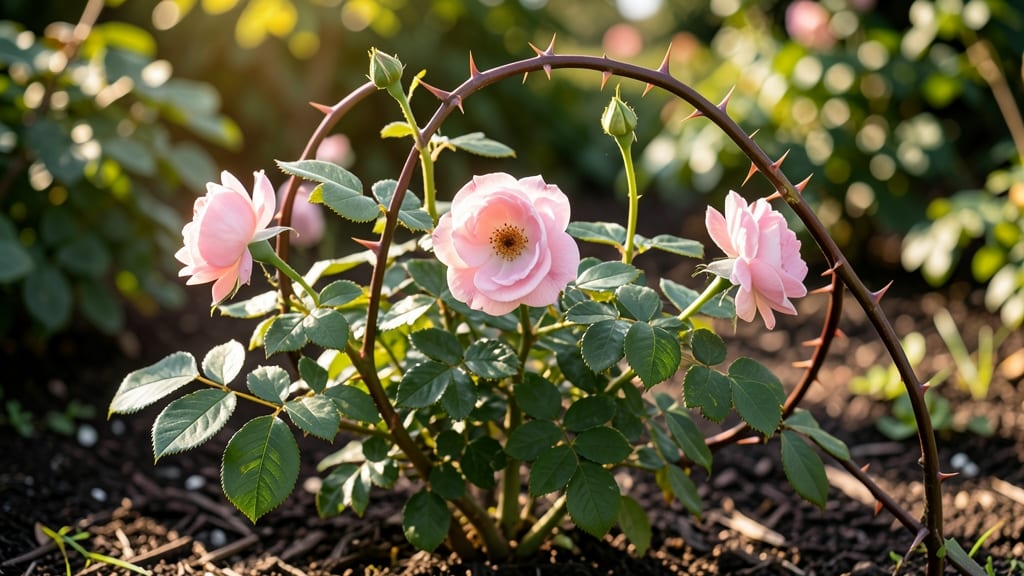
Your Eden rose's velvety petals could perfume your garden for 12 months—not just summer—with the right care. 🌹 I learned the hard way that these climbers demand consistency, but once you master their rhythm, they reward you with blooms that smell like a secret garden.
The key starts with soil: Eden roses thrive in well-draining, slightly acidic mixes (pH 6.0-6.5) that mimic their natural woodland edge habitat. Overwatering is their #1 enemy—think "damp socks" not "swamp"—and mulching keeps roots cool.
Pruning isn't just about shape; it's about directing energy to those signature deep pink blooms you planted for. By winter, you'll have a skeleton framework of canes ready to burst with new growth, while strategic fertilizing (low nitrogen, high phosphorus) keeps flowers coming.
The scent alone makes the effort worth it—imagine walking past and catching that intoxicating fragrance on a summer evening. Works for trellises, arbors, or even container growing. Here's how to keep them thriving through every season."
📚 In This Guide
- What you need
- Instructions
- Tips and common mistakes
- Wrapping up and next steps
What you need
- ● Eden Rose Plant: 1 healthy, disease-free rose bush (bare-root or potted, depending on season).
- ● Well-Draining Soil: 3-5 cubic yards of loamy, slightly acidic soil (pH 6.0-6.5). Mix with compost (1 part compost to 3 parts soil) for nutrients.
- ● Fertilizer: Balanced rose fertilizer (10-10-10 or 5-10-5 NPK ratio).
- ● Organic options: Fish emulsion or bone meal (1 lb per plant at planting time).
- ● Support Structure: 1 sturdy trellis, arbor, or rose arch (6-8 feet tall, depending on variety).
- ● Mulch: 2-3 inches of wood chips or shredded bark to retain moisture and suppress weeds.
- ● Watering Supplies: Garden hose with soaker hose attachment (for deep watering).
- ● Watering can (with rose or long spout for targeted watering).
- ● Pruning Tools: 1 pair of bypass pruners (sharp and clean).
- ● 1 pair of loppers (for thicker stems).
- ● 1 pruning saw (for large branches).
- ● Pest Control: Neem oil (for organic pest deterrent).
- ● Horticultural oil or insecticidal soap (as needed).
- ● Rose Food: Monthly liquid bloom booster (e.g., Miracle-Gro Bloom Booster).
- ● Epsom Salt: 1 tbsp dissolved in 1 gallon of water (monthly foliar spray for magnesium).
- ● Rose Collars: Protective copper or plastic collars to prevent slug/snail damage.
- ● Garden Gloves: Heavy-duty gloves for thorn protection.
- ● Plant Stakes: 3-4 biodegradable stakes (for young plants).
- ● Drip Irrigation System: Automated system for consistent moisture (ideal for large gardens).
Step-by-Step guide to year-round Eden rose care
Here's the method I've refined over seasons to keep Eden roses blooming continuously with minimal fuss.
🌿 Step 1: Select the Right Location for Maximum Sun Exposure
Eden roses thrive in full sun—at least 6-8 hours daily. I always choose a south-facing wall or fence where they'll receive unobstructed light. These climbers grow aggressively, so position them where they can spread 8-10 feet wide without crowding other plants.
Morning sun with afternoon shade works in hot climates, but avoid deep shade entirely. You'll notice the first sign of trouble when buds fail to open or leaves develop a pale, washed-out appearance. If your space has limited sun, consider a trellis instead of a wall to maximize light penetration from all directions.
☀️ Step 2: Establish a Consistent Watering Routine
Water deeply 2-3 times per week during growing season, ensuring the top 12 inches of soil stays consistently moist but not soggy. I use a soaker hose buried 2 inches deep to deliver water directly to the roots while keeping foliage dry—this prevents fungal diseases that Eden roses are particularly susceptible to.
Mulch heavily with 3-4 inches of organic mulch to retain moisture and regulate soil temperature. The key is maintaining even moisture; let the top inch dry between waterings. You'll know you're doing it right when the soil feels like a damp sponge and the plant's canes remain firm rather than flopping.
✂️ Step 3: Prune Strategically for Continuous Blooms
Prune immediately after the first flush of blooms in spring, cutting back one-third of the oldest canes to the ground. This encourages new growth from the base while maintaining the plant's vigor. Always make cuts just above an outward-facing bud at a 45-degree angle to prevent water from pooling.
Deadhead spent blooms regularly throughout the season to redirect the plant's energy into producing more flowers rather than seed pods. I also remove any crossing or rubbing canes that might create entry points for disease. The goal is to maintain an open, airy structure that allows light and air to circulate freely through the center.
🪴 Step 4: Fertilize with Precision for Optimal Growth
Feed with a balanced rose fertilizer (10-10-10) every 4-6 weeks during the growing season, starting in early spring. I switch to a low-nitrogen, high-phosphorus formula (5-10-5) when buds begin to form to encourage abundant flowering. Always water thoroughly before and after applying fertilizer to prevent root burn.
In late summer, reduce fertilization to every 8 weeks to allow the plant to harden off for winter. You'll see the difference in plant health when leaves remain deep green and canes develop a sturdy, woody texture rather than remaining soft and sappy.
⏰ Step 5: Prepare for Winter Dormancy
Begin preparing for winter in late fall by reducing watering and stopping fertilization. Wrap the base of the plant with burlap or rose cones filled with straw or leaves, creating a 12-inch thick insulating layer. This protects the plant from freezing temperatures while allowing air circulation to prevent rot.
In colder climates, I also mound soil around the base up to 6 inches high to provide additional insulation. The goal is to maintain a 5-10°F temperature at the plant's crown throughout winter. You'll know your winter protection is working when the plant remains dormant but the canes stay firm and upright rather than collapsing or rotting.
Tips & tricks for perfect year-round Eden rose care
Keeping these climbers thriving through every season takes thoughtful attention—here's how to elevate your Eden rose care from good to spectacular.
Sunlight Strategy: While the instructions emphasize 6-8 hours of full sun, I've found that positioning your rose near a reflective surface—like a light-colored wall or patio—can effectively extend those critical daylight hours by up to 20%. In urban environments with limited space, consider a south-facing vertical trellis that maximizes light exposure from multiple angles. The key is ensuring buds receive direct sunlight for at least half of their daylight exposure, particularly during their blooming periods when energy demands peak.
Watering Wisdom: The 2-3 times weekly watering guideline works beautifully, but timing matters just as much as frequency. I've learned to water in the early morning hours (between 6-9 AM) to allow foliage to dry completely before evening. This simple shift has dramatically reduced my fungal disease issues. For container-grown Eden roses, I increase watering to daily during peak summer heat while ensuring the soil's top 2 inches remain consistently moist—never soggy. The telltale sign of proper watering is when the canes feel firm to the touch rather than limp.
Pruning Precision: When pruning those one-third of oldest canes in Step 3, I always make my cuts just above an outward-facing bud that's positioned at a 45-degree angle. This technique creates a natural shield that prevents water from pooling at the cut site, reducing infection risks. For particularly vigorous climbers, I'll make additional cuts to remove any canes that are thinner than a pencil—these rarely produce quality blooms and divert energy from stronger growth. The goal is to maintain an open structure where air circulates freely, which is especially critical during humid summer months when fungal spores thrive.
Winter Protection: That 12-inch insulating layer around your rose's base is non-negotiable in colder climates, but I've discovered an additional trick that works wonders: wrap the entire plant structure with horticultural fleece before applying the mulch. This creates a microclimate that maintains temperatures between 10-15°F at the plant's crown, even during sub-zero nights. In particularly harsh winters, I'll add a layer of bubble wrap around the canes themselves before applying the fleece—this extra insulation can mean the difference between winter survival and spring revival. The key visual cue is watching for any ice crystals forming on the plant; if you see these, it's time to add more insulation immediately.
Pro Tips for Eden Rose Care
- Keeping these climbers thriving through every season takes thoughtful attention—here's how to elevate your Eden rose care from good to spectacular.
- In urban environments with limited space, consider a south-facing vertical trellis that maximizes light exposure from multiple angles.
- Watering Wisdom: The 2-3 times weekly watering guideline works beautifully, but timing matters just as much as frequency.
Frequently asked questions
Got questions about keeping your Eden Rose thriving? You're not alone!
Here are the most common concerns—plus expert-backed answers to help your fragrant climber shine year-round.
How often should I water my Eden Rose?
Water deeply 1-2 times per week during the growing season (spring/fall), ensuring the top 2-3 inches of soil stay moist but not soggy. In summer heat, increase to every 3-4 days—check soil moisture with your finger. Mulch helps retain moisture and reduces evaporation. Pro tip: Drip irrigation near the base is ideal to prevent fungal issues.
When is the best time to prune my Eden Rose?
Prune late winter or early spring (before new growth starts) to shape the plant and remove dead/diseased wood. For Eden Roses, also do a light summer trim after flowering to encourage bushier growth. Never prune in fall—it disrupts winter hardiness. Use sterilized shears and cut at a 45° angle just above a leaf node.
Why are my Eden Rose leaves turning yellow?
Yellow leaves usually signal overwatering, nutrient deficiency, or fungal issues. Check soil moisture first—soggy roots cause stress. If leaves have brown spots, it’s likely powdery mildew (common in humid climates). Treat with neem oil or fungicide. For uniform yellowing, amend soil with iron-rich fertilizer or compost.
Can Eden Roses survive winter in cold climates?
Yes! Eden Roses are hardy to USDA Zone 5 (with protection). In colder areas, mulch heavily (6+ inches) and wrap the base with burlap or frost cloth. Prune back 1/3 of the plant in late fall to reduce stress. For Zone 4 or below, grow in containers and move indoors or insulate with straw.
What’s a good alternative if my Eden Rose isn’t blooming?
If your Eden Rose skips blooms, try these fixes:
- Boost sunlight: Ensure 6+ hours of direct sun daily.
- Fertilize: Use a balanced rose fertilizer (10-10-10) in early spring and mid-summer.
- Deadhead spent blooms to redirect energy to new flowers.
- Check soil pH: Aim for 6.0–6.5 (test with a kit).
Wrapping up and next steps
Caring for your Eden Rose is all about patience, consistency, and a little love—just like nurturing any treasured plant! With the right soil, sunlight, and seasonal adjustments, you’ll reward yourself with stunning blooms and intoxicating fragrance year after year. 🌸
Ready to see your climbing beauty thrive? Start by reviewing your care plan—whether it’s pruning for winter prep or adjusting watering in summer—and take action this weekend. Your garden (and future admirers!) will thank you. 🌿