
Diseases
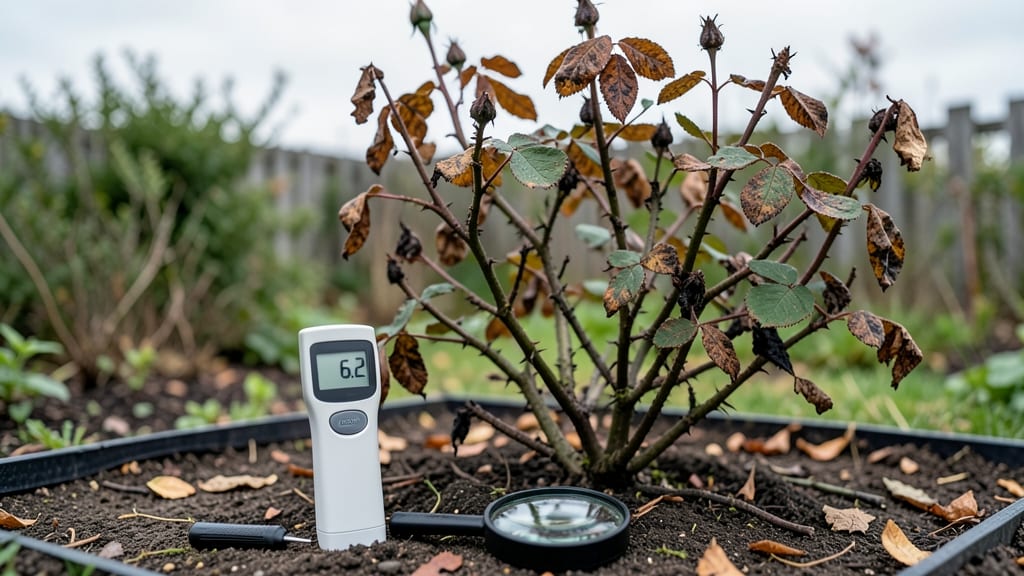
Seeing your rose bush turn brown is heartbreaking after all that care. 🌿 The most common culprit is fungal blight like black spot, but overwatering, pests, or nutrient deficiencies can also cause those sad brown patches.
I’ve nursed back roses from nearly dead to thriving with a few targeted fixes—you can too.
First, check the leaves for dark spots with yellow halos (black spot) or powdery white growth (powdery mildew). These spread fast in damp conditions, so prune infected stems 6 inches below the damage and dispose of them in the trash—not the compost.
For overwatering, let the soil dry 2-3 inches deep before watering again, and improve drainage.
Next, boost your roses’ defenses with a baking soda spray (1 tsp baking soda + 1 quart water + a drop of dish soap) for fungal issues, or apply neem oil for pests.
Repeat every 7-10 days until new growth appears. With consistent care, you’ll see fresh green leaves in 2-3 weeks—and those blooms will come back stronger than ever.
Prevention is key: water in the morning, space plants for airflow, and mulch to keep roots cool. These small changes stop the cycle before it starts. Your roses will be back to their vibrant best in no time!
Root Causes Behind Browning Leaves
When your rose bush starts turning brown, it’s often a cry for help from the plant itself. Understanding the why behind the discoloration is the first step to restoring its health.
Below, we break down the most common culprits—each with a clear scientific explanation and actionable insights to diagnose the issue accurately.
Brown, mushy leaves or stems paired with yellowing foliage are classic signs of overwatering, which leads to Phytophthora or Pythium root rot. These water-mold fungi thrive in soggy, poorly drained soil, suffocating roots and blocking nutrient uptake.
- Why it happens: Excess moisture creates anaerobic conditions, where roots can’t absorb oxygen. The plant’s cells die from oxygen deprivation, causing leaves to brown and wilt.
- Tell-tale signs:
- Leaves turn brown and crispy at the edges.
- Stems feel soft or mushy when pressed.
- Soil smells foul or stays waterlogged for days.
- Actionable fix:
- Check soil moisture by inserting a finger 2 inches deep—if damp, wait before watering.
- Improve drainage by amending soil with perlite or compost.
- Prune affected stems below the browning (use sterilized shears) to prevent spread.
Fungal diseases like Diplocarpon rosae (black spot) or Sphaerotheca pannosa (powdery mildew) are the top villains behind brown, spotted, or powdery leaves. These pathogens love humid, shady conditions and can spread rapidly if left unchecked.
| Disease | Symptoms | Scientific Trigger |
|---|---|---|
| Black Spot | Dark brown/black spots with yellow halos; leaves drop prematurely. | Fungus spores germinate in wet foliage (humidity >75%), creating lesions that clog stomata. |
| Powdery Mildew | White, powdery patches on leaves; brown necrotic spots later. | Fungus thrives in low light and high humidity, forming a mycelial network that smothers leaves. |
Actionable fix:
- 💡 Prevent spread: Remove and destroy infected leaves immediately (do not compost).
- ✨ Boost airflow: Prune for better circulation; avoid overhead watering.
- 🎯 Fungicide options: Apply neem oil or copper-based sprays (follow label rates) every 7–10 days.
Sudden brown patches on leaves exposed to direct sunlight—especially after a cold snap or drought—are often sun scorch. This occurs when cells lose moisture faster than roots can replenish it, leading to localized browning.
- Why it happens: High temperatures (>90°F) combined with low humidity cause oxidative stress in leaf cells. Chlorophyll breaks down, and membranes rupture, turning leaves crispy and brown.
- Tell-tale signs:
- Brown edges or patches on only sun-exposed leaves.
- Leaves feel dry or papery to the touch.
- Problem worsens in afternoon heat.
- Actionable fix:
- 🌡️ Provide afternoon shade: Use shade cloth (30–50%) or move potted roses to a sheltered spot.
- 💦 Deep watering: Water at soil level (not leaves) in the early morning to reduce evaporation.
- 🌱 Mulch heavily: Apply 2–3 inches of organic mulch to retain soil moisture.
Tiny pests like Tetranychus urticae (spider mites) or Aphis spp. (aphids) can cause brown, stippled leaves by sucking sap and injecting toxins. Heavy infestations weaken the plant, leading to premature browning.
- Why it happens: Pests pierce cells to feed, disrupting photosynthesis. Their saliva contains enzymes that trigger necrotic spots (brown, dead tissue).
- Tell-tale signs:
- Fine webbing (mites) or sticky residue (aphids) on undersides of leaves.
- Leaves develop bronze or brown speckles.
- New growth is curled or distorted.
- Actionable fix:
- 🔥 Blast pests off: Spray leaves with a strong stream of water to dislodge them.
- 🌿 Introduce predators: Ladybugs or lacewings eat aphids; mites can be controlled with predatory mites (Phytoseiulus persimilis).
- 🧴 Soap spray: Mix 1 tbsp mild dish soap with 1 quart water; spray undersides of leaves weekly.
Pro tip: 💡 Diagnose before treating! Snap a photo of the browning and compare it to the symptoms above. If unsure, send it to your local Cooperative Extension Service for a free diagnosis.
Revive Your Rose Bush Now
Seeing your vibrant rose bush turn brown can be disheartening, but the good news is that most issues have simple, effective fixes. Below, we’ve mapped out targeted solutions based on the most common causes—so you can diagnose and act fast.
Prevention tips are included to keep your roses lush and healthy for seasons to come.
Fungal infections thrive in damp, shaded conditions and can spread quickly if left unchecked. Here’s how to tackle them:
🔥 Step 1: Remove Infected Foliage Immediately
- Why? Fungal spores cling to brown or spotted leaves, so removing them stops the spread.
- How? Snip off affected leaves with clean pruners (sterilize with rubbing alcohol between cuts). Dispose of them in the trash—not the compost!
- Pro Tip: 💡 Wear gloves to avoid spreading spores to other plants.
🍳 Step 2: Apply Fungicide (Organic or Chemical)
- For Organic Solutions:
- Baking Soda Spray: Mix 1 tbsp baking soda + 1 tbsp vegetable oil + 1 tsp dish soap in 1 gallon of water. Spray undersides of leaves (where fungi love to hide).
- Neem Oil: Dilute 2 tbsp neem oil in 1 quart of water + a drop of soap. Spray every 7–10 days until new growth appears.
- For Chemical Solutions:
- Use a copper-based fungicide (like Bonide Copper Fungicide) or a systemic fungicide with myclobutanil (e.g., Immunox).
- When to Apply: Early morning or late evening to avoid burning leaves. Reapply after rain.
👨🍳 Step 3: Improve Air Circulation & Sunlight
- Prune for Space: Thin out crowded branches to let air flow freely.
- Adjust Watering: Water at the base (not overhead) and avoid late-day watering to keep foliage dry.
- Sunlight Check: If your rose is in deep shade, consider relocating it to at least 6 hours of sunlight daily.
⏰ Prevention for Next Season
- Fungus-Resistant Varieties: Choose disease-resistant roses like Knock Out® or Dr. Huey.
- Mulch Properly: Use 2–3 inches of organic mulch (like pine straw) to keep soil moist but not soggy.
- Fall Cleanup: Rake and dispose of fallen leaves in autumn to remove overwintering spores.
Brown, mushy stems or yellowing leaves often signal root rot from soggy soil. Here’s how to rescue your rose:
🔪 Step 1: Check the Roots
- Gently dig around the base to inspect roots. Healthy roots are firm and white; rotten roots are brown, mushy, and smell foul.
- If roots are rotting: Trim away the bad sections with sterilized pruners.
🌡️ Step 2: Adjust Watering Habits
- Water Deeply but Infrequently: Water when the top 1–2 inches of soil are dry. Stick your finger in—if it’s damp, wait!
- Avoid Wet Feet: Ensure your rose isn’t sitting in a saucer of water. If planted in a pot, check for drainage holes.
🎯 Step 3: Amend the Soil
- For Clay Soil: Mix in compost or sand to improve drainage.
- For Containers: Repot in well-draining soil (like a 50/50 mix of potting soil and perlite).
- Pro Tip: ✨ Add a 2-inch layer of gravel at the bottom of pots if drainage is poor.
✨ Long-Term Fixes
- Raise Garden Beds: If your rose is in a low-lying area, create a slight mound to prevent water pooling.
- Drip Irrigation: Use soaker hoses to deliver water directly to the roots without wetting foliage.
Brown, crispy edges on leaves? Your rose might be struggling with too much sun or heat stress.
💡 Step 1: Provide Afternoon Shade
- If your rose gets scorching afternoon sun (especially in summer), install a shade cloth (30–50% coverage) or move it to a spot with morning sun only.
🥗 Step 2: Hydrate Properly
- Deep Watering: Water slowly and deeply 1–2 times per week (more in extreme heat).
- Mulch Thickly: Use 3–4 inches of mulch to retain moisture and cool roots.
🍎 Step 3: Boost Humidity (For Potted Roses)
- Place the pot on a tray of pebbles filled with water to increase humidity around the plant.
- Mist leaves lightly in the early morning (avoid evening misting to prevent fungal growth).
📊 Prevention Tips
- Choose Heat-Tolerant Varieties: Look for roses labeled as drought-resistant, like Earth Kind® roses.
- Avoid Fertilizer Burns: In extreme heat, skip fertilizer—it stresses plants further.
Pests can cause brown spots, wilting, or stunted growth. Here’s how to evict them:
🔥 Step 1: Identify the Culprit
- Aphids: Tiny green/black bugs clustered on new growth.
- Spider Mites: Fine webbing on undersides of leaves.
- Japanese Beetles: Skeletonized leaves with chewed edges.
🍳 Step 2: Manual Removal
- Aphids/Mites: Blast off with a strong stream of water or wipe leaves with soapy water (1 tsp mild soap per quart of water).
- Beetles: Handpick adults and drop them in soapy water.
👨🍳 Step 3: Use Natural Pesticides
- Neem Oil: Spray every 5–7 days (follow package instructions).
- Insecticidal Soap: Effective for soft-bodied pests like aphids.
- Beneficial Insects: Introduce ladybugs or lacewings to your garden for long-term control.
⏰ Prevention
- Reflective Mulch: Use silver plastic mulch to deter beetles.
- Regular Inspections: Check leaves weekly for early signs of pests.
With these targeted fixes, your rose bush should bounce back to its healthy, blooming self in no time. Remember: consistency is key—whether it’s fungicide applications, watering adjustments, or pest control, stick with the plan until you see improvement. Happy gardening! 🌹
Frequently asked questions
Why are my rose bush leaves turning brown in patches but not all at once?
This is likely black spot fungus or powdery mildew, which spread gradually. These fungal diseases target specific leaves first, creating dark brown/black spots (black spot) or white powdery patches (mildew). Check leaf undersides—you’ll often find spores there. Prune infected leaves immediately and apply neem oil or baking soda spray to stop the spread.
Can I save my rose bush if the brown spots have yellow halos around them?
Yes! Those yellow halos are classic black spot symptoms. Start by removing all infected leaves (don’t compost them) and prune stems 6 inches below the damage. Then apply a fungicide like copper spray or neem oil every 7-10 days. With this treatment, you should see new green growth in 2-3 weeks.
Is it safe to prune brown leaves from my rose bush?
Absolutely—but do it carefully! Use sterilized pruners and cut just above a healthy leaf node (where new growth can emerge). For fungal diseases, dispose of pruned leaves in the trash (not compost). If the browning is from pests, you can compost pruned leaves after treating them with soapy water to kill any remaining bugs.
Why does my rose bush turn brown only in hot weather?
That’s classic sun scorch or heat stress. When temperatures exceed 90°F and humidity drops, your rose’s leaves lose moisture faster than roots can supply it. Provide afternoon shade with shade cloth (30-50% coverage) and water deeply in the morning. Mulching with 2-3 inches of organic material also helps retain moisture and cool roots.
Will brown leaves on my rose bush come back green?
It depends! If the browning is from fungal disease or pests, new leaves will grow green once you treat the problem. However, if the damage is severe (like large dead sections), those specific leaves won’t recover. Focus on healthy stems—they’ll produce fresh foliage in 2-4 weeks with proper care.