
Light Requirements
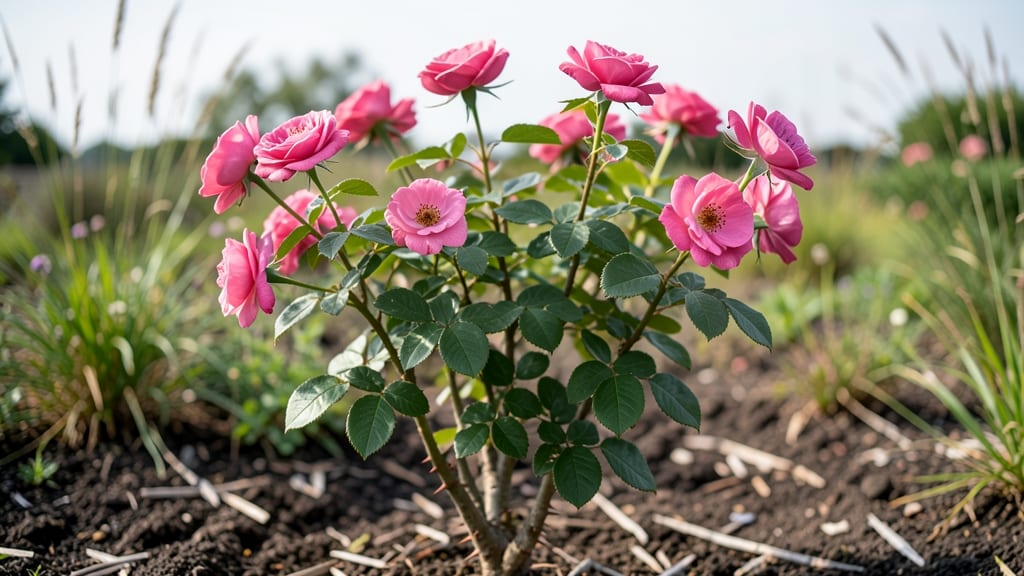
Understanding your rose bush’s light requirements—at least 6 hours of direct sunlight daily—is the secret to vibrant blooms and strong, healthy growth.
Struggling to get your rose bushes to bloom as vibrantly as you’d hoped? The secret might be hiding in plain sight—your plants’ light exposure could be the missing piece of the puzzle.
Too little sun and you’ll end up with leggy stems and sparse flowers; too much, and those delicate petals can scorch. But here’s the good news: with a few adjustments, you can fine-tune your garden’s light conditions to keep your roses happy year-round.
In this guide, I’ll break down exactly how much sun your rose bush needs, how to spot light-related problems, and creative ways to optimize blooms—even in shadier spots.

How many sunlight hours do rose bushes need for optimal growth?
If you’ve ever wondered why your rose bushes aren’t blooming as prolifically as they should, the answer might lie in their sunlight exposure. Roses are sun-worshippers, but not all varieties crave the same amount of light.
Understanding the ideal sunlight hours for your specific rose type is the first step to unlocking their full potential. Too little sun, and you’ll get sparse blooms and leggy growth. Too much, and you risk leaf scorch and stress.
Let’s break down the light requirements by rose variety so you can give your plants exactly what they need.
Most rose bushes thrive in full sun, which means 6 to 8 hours of direct sunlight daily. However, the exact needs can vary depending on whether you’re growing hybrid teas, climbing roses, or shrub roses.
For example, hybrid teas—the classic showstoppers—demand the most light, while some shrub roses can tolerate a bit more shade. Knowing these distinctions will help you place your roses in the perfect spot, whether you’re designing a sun-drenched border or working with a partially shaded garden.
| Rose Type | Ideal Sunlight Hours | Minimum for Survival | Bloom Impact |
|---|---|---|---|
| Hybrid Teas | 6–8 hours | 4 hours (reduced blooms) | Maximizes large, vibrant blooms |
| Climbing Roses | 6–8 hours | 5 hours (leggy growth) | Supports strong canes and abundant flowers |
| Floribunda | 5–6 hours | 3 hours (fewer blooms) | Cluster blooms thrive with moderate sun |
| Shrub Roses | 4–6 hours | 3 hours (compact growth) | Encourages bushy, disease-resistant growth |
| Shade-Tolerant Varieties (e.g., 'Double Delight', 'The Fairy') | 3–4 hours | 2 hours (slow growth) | Smaller blooms but adaptable to low light |
Seasonal adjustments are crucial, especially if you live in a region with intense summer sun or mild winters.
In summer months, roses can handle up to 8 hours of sun, but in hot climates, afternoon shade (especially between 12 PM and 3 PM) can prevent leaf burn.
Conversely, young rose bushes or those in cooler climates may benefit from a few extra hours of morning sun to kickstart growth in spring.
Measuring sunlight accurately is easier than you think. Use a sunlight tracker or simply observe your garden throughout the day. Place a white board or stake in potential planting spots and mark the shadows every hour.
If your garden receives less than 4 hours of direct sun, consider shade-tolerant varieties or supplement with a grow light for 6–8 hours daily. Even partial shade (3–4 hours) can work if you choose the right roses, but expect fewer blooms compared to full-sun conditions.
For hybrid teas and climbing roses, 6–8 hours of sun is non-negotiable if you want show-stopping blooms. These varieties are the most demanding but reward you with large, fragrant flowers.
If your garden only offers 4–5 hours of sun, opt for floribundas or shrub roses, which are more forgiving and still produce clusters of blooms. The key is to match the rose to your garden’s light conditions rather than forcing a mismatch.
One common mistake is assuming that morning sun alone is sufficient. While morning sunlight is beneficial, afternoon sun is often more intense and provides the energy roses need to produce blooms.
If your garden only gets morning sun, consider reflective surfaces like light-colored walls or mulch to bounce extra light onto your roses. This trick can make a noticeable difference in bloom production and overall plant health.
In northern climates or shady gardens, you might need to get creative. Dwarf varieties like 'Patio' roses or 'Knock Out' roses are excellent choices for partial shade because they tolerate 3–4 hours of sun while still delivering continuous blooms.
Pair these with mulch to retain moisture and fertilize regularly to compensate for lower light levels. Even in these conditions, you can achieve healthy, blooming roses with the right approach.
Remember, young rose bushes are more flexible and can adapt to partial shade for their first year, but they’ll eventually need more light to reach their full potential.
If you’re planting new roses, give them a sunny spot from day one and gradually acclimate them to full sun over 2–3 weeks to avoid sunburn. This slow transition helps their leaves harden and prepares them for optimal growth.
Finally, don’t overlook the role of seasonal pruning in managing light exposure. Pruning in late winter
Signs your rose bush isn’t getting enough (or too much) light
Your rose bushes might be silently screaming for help if their light exposure is off. Too little sun leads to weak stems and fewer blooms, while too much can scorch delicate leaves. Learning to read these visual cues helps you adjust care before problems spiral.
Start by checking the leaf color—pale yellow or greenish leaves often signal light deficiency. These leaves lack the energy to produce vibrant pigments, and new growth may appear spindly and etiolated (stretched out).
Even worse, your blooms may shrink or fail to open entirely, leaving you with buds that never blossom.
⚠️ callout warning ⚠️
🚨 Rose Light Red Flags
✅ Too Little Light: Yellow leaves, weak stems, sparse blooms, slow growth
✅ Too Much Light: Brown leaf edges, crispy texture, sunburn spots, wilting
💡 Quick Fix: Move plants gradually (over 1-2 weeks) to avoid shock. Use dappled shade in hot climates.
On the flip side, leaf scorch or brown crispy edges are classic signs of excessive sunlight. These sunburn symptoms often appear on leaves facing south or west, where afternoon sun is most intense.
Your roses might also wilt midday despite regular watering, a clear sign they’re struggling to cope with the heat.
Don’t overlook the stem health—thin, rubbery canes suggest light starvation, while thick, woody stems with fewer thorns can indicate over-exposure. Both extremes weaken your rose’s ability to fight disease and produce flowers, so addressing light issues early is key.
For a quick assessment, grab a sunlight tracker or observe your garden from 6 AM to 6 PM. Note where shadows fall and how long each spot gets direct sunlight.
Most roses thrive with 6+ hours of sun, but 3-6 hours may suffice for shade-tolerant varieties like ‘Dr. Huey’ or ‘The Fairy’.
Adjust gradually—sudden light changes can shock your roses. If relocating, spread adjustments over 1-2 weeks to help them acclimate. For container roses, rotate pots weekly to ensure even light exposure.
With the right balance, your roses will reward you with lush foliage and abundant blooms all season. 🌹