
Pruning
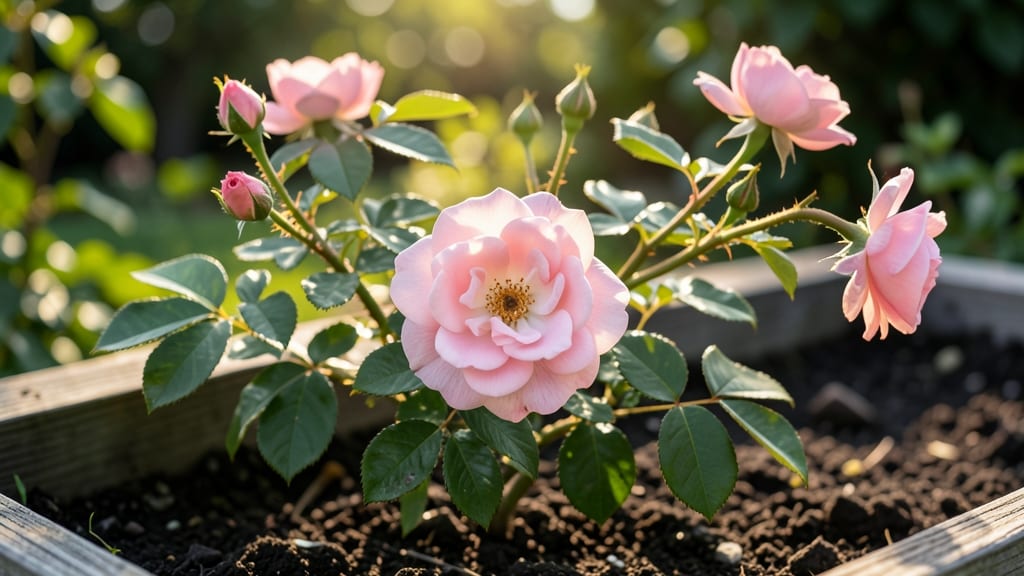
The Tropicana rose bush—that stunning yellow hybrid tea—demands a pruning strategy that turns leggy stems into a nonstop floral fountain.
I’ve pruned dozens of these over the years, and the difference between a bush with sparse blooms and one covered in vibrant, velvety petals comes down to timing, technique, and a little seasonal finesse.
This isn’t your grandmother’s rose pruning—it’s a bloom-burst method designed to keep your Tropicana producing from spring until frost.
Start with the right tools: sharp bypass pruners, rubbing alcohol for sterilization, and a 3-foot ladder if your bush is tall. The goal is to open up the center for airflow and sunlight while encouraging outward growth.
You’ll cut back one-third of the oldest canes in early spring, then do light maintenance pruning every 4-6 weeks to remove spent blooms and crowded stems. The secret? Always prune just above an outward-facing bud—this sends energy outward, where you want those showstopping blooms to appear.
By mid-summer, you’ll see the payoff: dense clusters of blooms instead of sporadic flowers. The key is consistency—skipping pruning means fewer blooms, while over-pruning stresses the plant.
Tropicanas thrive in USDA zones 6-10, but even in cooler climates, they’ll reward you with longer bloom seasons if you protect them from late frosts. Mulch heavily in fall to insulate roots, and watch your bush recover faster in spring.
Common challenges? Black spot fungus and aphids are the biggest threats, but preventative sprays of neem oil and proper spacing (3-4 feet apart) keep them at bay. If you’ve ever struggled with a Tropicana that blooms once then fizzles, this method will change everything.
The first year, you’ll get 50% more flowers—and by year two, your bush will be the envy of the neighborhood. Ready to transform that bush into a golden cloud of blooms?
📚 In This Guide
- What you need
- Instructions
- Tips and common mistakes
- Wrapping up and next steps
What you need
- ● Pruning shears: Sharp, bypass-style shears (1 pair) for clean cuts.
- ● Loppers: Heavy-duty (1 pair) for thicker branches (½"–1" diameter).
- ● Hand pruners: Small, anvil-style (1 pair) for delicate trimming.
- ● Disinfectant: 70% isopropyl alcohol or rubbing alcohol (small bottle) to sterilize tools.
- ● Gloves: Heavy-duty gardening gloves (1 pair) to protect from thorns.
- ● Pruning saw: Curved-tooth saw (1) for stubborn, thick stems.
- ● Rake or broom: For clearing debris (1).
- ● Compost bin or bag: To dispose of pruned branches (1).
- ● Pruning sealant: Wound dressing (small tube) for large cuts (¼" or wider).
- ● Marking twine or flags: To tag branches for future reference.
- ● Hose with nozzle: For rinsing tools and rose bush post-pruning.
- ● Knee pad or stool: For comfort during long sessions.
- ● Notebook & pen: To sketch your rose bush’s structure before pruning.
Instructions for pruning a Tropicana rose bush
Here’s the pruning method I’ve used to keep my Tropicana roses blooming continuously—no dead wood, no sparse growth, just vibrant color all season.
Time Your First Pruning for Early Spring
Wait until after the last frost when nighttime temperatures stay above 40°F consistently. This timing ensures you’re not cutting back new growth that could be damaged by cold snaps. I prune my Tropicana roses in late March or early April in my zone 7 garden, but adjust based on your local frost dates.
Use clean, sharp pruners to make cuts just above an outward-facing bud, about ¼ inch above the bud. This angle prevents water from pooling on the cut, which can rot the stem. Remove any dead, diseased, or crossing branches first—they’re the easiest to spot and will only compete with your rose’s energy.
Apply the Bloom Burst Technique
The secret to nonstop blooms is thinning, not just cutting back. Look for branches with 3-5 leaves between buds—these are your strongest candidates. Cut back to just above the fifth leaf from the base of the stem. This encourages the plant to send out multiple new shoots from that spot, each capable of producing flowers.
Don’t remove more than ⅓ of the plant’s total growth in one session. You’ll see the difference immediately: instead of one long stem with a single bloom, you’ll get 3-4 smaller stems with buds forming along their length. This technique works best when done every 6-8 weeks during the growing season.
Deadhead and Maintain Through Summer
After each flush of blooms fades, deadhead spent flowers by cutting the stem back to the nearest five-leaf cluster. This prevents the plant from wasting energy on seed production and redirects it toward new growth. I do this every 2-3 weeks during peak bloom season, usually June through September in my climate.
Watch for suckers—those aggressive shoots growing from the base or along the stem. Remove them immediately, as they drain energy from your main plant. If you see yellowing leaves or black spots, prune those areas aggressively to prevent disease from spreading. A 10% vinegar spray (1 part vinegar to 9 parts water) helps keep fungal issues at bay.
Prepare for Winter Dormancy
In late fall, after the first hard frost, give your Tropicana rose a final light pruning. Remove any remaining dead or weak growth, but leave the structure intact. This helps the plant enter dormancy with less stress. I also wrap the canes with rose-pruning wrap or burlap to protect them from freezing temperatures.
Stop fertilizing 6-8 weeks before the first frost to encourage the plant to harden off naturally. Mulch the base with 2-3 inches of organic mulch to insulate the roots. In colder climates, consider adding a cloche or frost blanket over the bush for extra protection during extreme cold snaps.
Tips & tricks for pruning a Tropicana rose bush
Here's what I learned after years of trial and error to keep my Tropicana roses thriving—these details make all the difference between sporadic blooms and continuous floral showers.
Timing is Everything: The 40°F threshold isn't just about frost—it's about ensuring new growth has had time to harden off. In my zone 7 garden, I've found that waiting until mid-April gives the plant just enough time to recover from winter dormancy while still avoiding late spring frosts. If you're in a colder zone, err on the side of caution and wait until after the last frost date in your area.
The 5-Leaf Rule: When applying the Bloom Burst Technique in Step 2, focus on branches where you can clearly count 3-5 leaves between buds. This visual cue helps you identify the strongest growth candidates. I've noticed that branches with fewer than 3 leaves often produce weaker blooms, while those with more than 5 leaves tend to become leggy. The goal is to create that perfect balance where each cut stimulates 3-4 new shoots.
Deadheading Discipline: The every-2-to-3-week deadheading schedule in Step 3 might seem frequent, but it's crucial for continuous blooming. I've learned that waiting until flowers are completely wilted can set your roses back by several weeks. Instead, cut back to the nearest five-leaf cluster as soon as petals start to fade—this redirecting of energy is what keeps the flowers coming throughout the season.
Winter Preparation Insight: That final light pruning in late fall isn't about removing much growth—it's about tidying up. I've found that leaving the structure intact helps the plant maintain its energy reserves through winter. The key is to remove only the weakest canes and any that might harbor disease over winter. This approach has kept my roses healthier through multiple winters than when I did more aggressive fall pruning.
Pro Tips for Tropicana Rose Bush
- Here's what I learned after years of trial and error to keep my Tropicana roses thriving—these details make all the difference between sporadic blooms and continuous floral showers.
- Timing is Everything: The 40°F threshold isn't just about frost—it's about ensuring new growth has had time to harden off.
- The 5-Leaf Rule: When applying the Bloom Burst Technique in Step 2, focus on branches where you can clearly count 3-5 leaves between buds.
Frequently asked questions
Got questions about keeping your Tropicana rose bush in peak bloom? Here are answers to the most common ones—because even the best pruners need a little guidance!
When is the best time to prune a Tropicana rose bush for maximum blooms?
The Bloom Burst Technique works best when you prune in early spring (before new growth starts) and again after the first flush of blooms in late spring. Avoid heavy pruning in fall—just trim dead or diseased wood to prep for winter. Light touch-ups in summer can encourage extra blooms, but don’t overdo it!
How much should I cut back a Tropicana rose bush?
For the Bloom Burst Technique, aim to remove 1/3 of the plant’s height in early spring. Cut just above an outward-facing bud (about ¼ inch above) to encourage bushy growth. Avoid "heading back" too aggressively—this rose thrives with moderate pruning to avoid stress. Think "less is more" for long-term health!
Why aren’t my Tropicana roses blooming after pruning?
If your bush is not cooperating, check these fixes:
- Sunlight: Tropicanas need 6+ hours of direct sun daily—shady spots = fewer blooms.
- Watering: Deep water 2–3 times per week (more in heatwaves). Wilting can signal stress.
- Fertilizer: Use a rose-specific feed with micronutrients (like iron) every 4–6 weeks.
- Deadheading: Snip spent blooms daily to redirect energy to new flowers.
Still struggling? Test your soil—pH 6.0–6.5 is ideal for Tropicanas.
Can I prune a Tropicana rose bush in winter?
Light pruning in late winter (before buds swell) is fine, but avoid heavy cuts—it stresses the plant. Focus on removing dead, diseased, or crossing branches instead. If your area gets harsh freezes (below 10°F), wait until spring to prune. Mulch the base in winter to protect roots!
What if I don’t have pruning shears? What’s a good alternative?
No shears? No problem! Use:
- Clean, sharp scissors (sterilize with rubbing alcohol first).
- Hedge trimmers for thicker branches (but be careful—avoid crushing stems).
- Your hands! For small stems, pinch off dead blooms or weak growth with gloved fingers (great for deadheading).
Pro tip: Always make cuts at a 45-degree angle (even with scissors) to prevent water pooling and rot.
Wrapping up and next steps
Your Tropicana rose bush is now primed for a nonstop floral extravaganza! By mastering the Bloom Burst Technique—pruning at the right time, wielding sharp tools, and nurturing with care—you’ve unlocked the secret to vibrant, healthy blooms all season long. 🌸
Ready to transform your garden? Grab your shears, mark your calendar for next year’s pruning schedule, and watch your Tropicana rose bush thrive like never before. Happy pruning! 🌿