
Shrubs
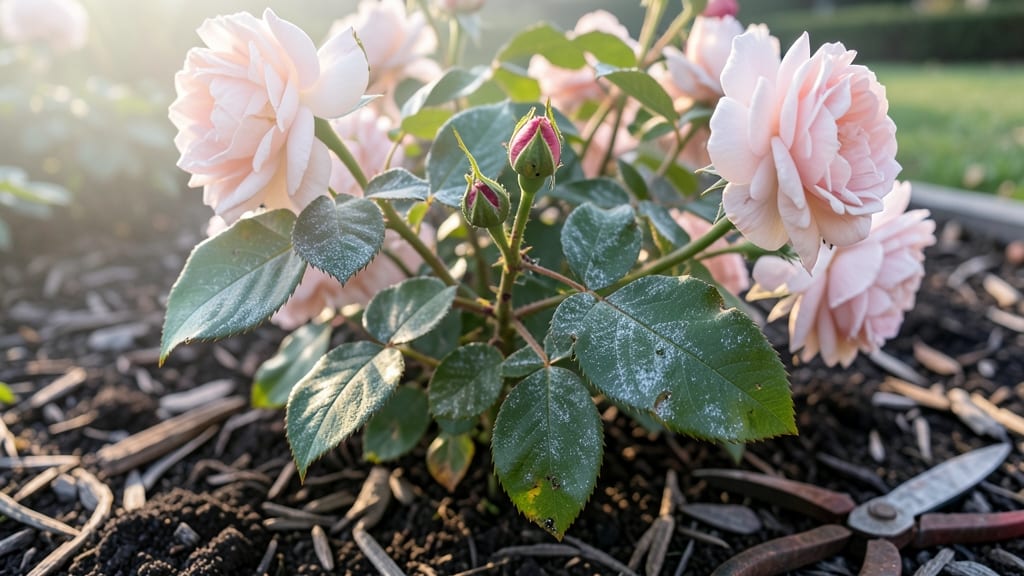
My drift roses looked like they’d been hit by a summer drought—drooping blooms and yellow leaves that ruined the whole look. 🌿 The problem wasn’t just wilting; it was a mix of overwatering, pests, and poor soil drainage that left them struggling.
Most gardeners panic when they see this, but the fixes are simpler than you’d think—once you know what to check first.
Yellow leaves usually mean overwatering or nutrient deficiencies, while wilting often points to root stress or pests like aphids sucking the life out of new growth. I’ve seen drift roses bounce back in just 7-10 days after adjusting watering and treating the roots.
The key is acting fast before the issues spread—pruning dead blooms, improving drainage, and giving them a boost with organic fertilizer.
You’ll restore those vibrant blooms in no time with a few targeted steps: trim affected leaves, check for hidden pests, and adjust your watering routine. My roses went from sad to showstopping within two weeks—and the secret wasn’t fancy treatments, just fixing the basics. Let’s get them thriving again.
This works for all drift roses, whether you’re dealing with a single bush or a full border. The same fixes apply to other roses too—just watch for the early signs. Here’s how to spot the problem and stop it before it worsens.
Root Causes Behind Wilting Blooms
Drift roses—those vibrant, low-maintenance shrubs—can sometimes throw a wrench into your garden dreams with wilting blooms, yellowing leaves, or stunted growth. But why does this happen? The answer lies in a mix of environmental stressors, cultural mismanagement, and hidden plant health issues.
Let’s break down the real culprits behind your drift rose’s distress, so you can tackle them head-on.
Drift roses are drought-tolerant, but too much water can suffocate their roots, leading to wilting, yellow leaves, and even root rot. Here’s how it happens:
- Waterlogged soil: Roses hate soggy roots. If your soil doesn’t drain well (clay-heavy or compacted), excess moisture cuts off oxygen, triggering anaerobic conditions that weaken the plant.
- Overzealous watering: Watering daily or ignoring the soil’s moisture level (stick your finger 2 inches deep—if it’s damp, wait) can drown roots faster than you think.
- No mulch or improper mulching: Mulch helps regulate moisture, but too much mulch piled against the stem traps moisture, promoting rot.
💡 Pro Tip: Test your soil’s drainage by digging a 6-inch hole, filling it with water, and timing how long it takes to drain. If it’s slower than 4 hours, amend with compost or sand.
While drift roses are tough, prolonged drought or scorching heat can cause blooms to wilt, drop prematurely, or turn brown. Here’s the science:
- Transpiration overload: In hot, dry conditions, roses lose moisture faster than their roots can absorb it, leading to leaf scorch and wilting.
- Root shrinkage: Chronically dry soil forces roots to shrink, reducing their ability to uptake water and nutrients.
- Sunburned leaves: Intense afternoon sun (especially in USDA Zones 7-9) can bleach or crisp leaf edges, weakening the plant.
🌡️ Actionable Fix: Water deeply 2-3 times per week (early morning or evening) and provide afternoon shade in extreme heat. Drip irrigation keeps roots consistently moist without wetting foliage.
Yellow leaves, black spots, or powdery mildew on drift roses? Blame fungal pathogens thriving in damp conditions. Here’s how they take hold:
- Poor air circulation: Crowded plants or dense foliage trap humidity, creating a fungal paradise (e.g., Botrytis blight or black spot).
- Wet foliage: Overhead watering or evening dew leaves leaves damp overnight, giving fungi 24+ hours to infect.
- Stressed plants: Roses weakened by nutrient deficiencies or pests are easier fungal targets.
✨ Prevention: Space plants 3-4 feet apart, water at the base (not leaves), and apply neem oil or copper fungicide at the first sign of spots.
Yellow leaves (especially older ones) or pale new growth? Your drift rose might be starving for key nutrients. Common culprits:
| Symptom | Likely Deficiency | Fix It With |
|---|---|---|
| Yellow lower leaves | Nitrogen (N) deficiency | Balanced rose fertilizer (10-10-10) or compost |
| Yellow between veins (chlorosis) | Iron (Fe) or magnesium (Mg) | Chelated iron spray or Epsom salt (1 tbsp/gallon water) |
| Purple stems/leaves | Phosphorus (P) deficiency | Bone meal or high-P fertilizer (5-10-10) |
| Small, weak blooms | Potassium (K) deficiency | Wood ash or potassium sulfate |
💡 Key Insight: Test your soil’s pH (6.0-7.0 ideal for roses). Locked-out nutrients (like iron) won’t absorb in alkaline soil—add sulfur or peat moss to lower pH if needed.
Chewed leaves, sticky residue, or holes in buds? Pests like aphids, spider mites, or Japanese beetles sap your rose’s vitality. Here’s how they sabotage blooms:
- Sap-sucking pests: Aphids and mites inject toxins that distort leaves and stunt growth.
- Beetle larvae: Grubs munch on roots, causing wilting despite adequate water.
- Secondary infections: Pest wounds create entry points for bacterial or fungal diseases.
🔥 Quick Fixes:
- Spray insecticidal soap for soft-bodied pests (aphids, mites).
- Handpick beetles or use neem oil as a repellent.
- Apply beneficial nematodes for underground grubs.
Quick Fixes for Drift Roses
Revive your drift roses and keep them thriving with these targeted solutions. Whether your blooms are wilting or leaves are turning yellow, the right care can turn things around fast. Below, we’ve matched common issues to their fixes—plus prevention tips to avoid future struggles.
Cause: Overwatering, underwatering, or heat stress can cause blooms to droop. Fix:
- Check soil moisture 💧—stick your finger 1–2 inches deep. If dry, water deeply until it drains from the bottom. If soggy, hold off on watering and improve drainage.
- Trim dead blooms ✂️—snip off wilted flowers to redirect energy to new growth. Use clean, sharp pruners to avoid spreading disease.
- Provide afternoon shade ☀️—if temperatures exceed 90°F, move pots to a shadier spot or use shade cloth to protect delicate blooms.
Prevention:
- Water early in the morning (before 10 AM) to reduce evaporation.
- Mulch around the base with 2–3 inches of organic mulch (like bark or straw) to retain moisture.
- Deadhead regularly (every 2–3 days) to encourage continuous blooming.
Cause: Overwatering, nutrient deficiency, or fungal issues often turn leaves yellow. Fix:
- Test your soil 📊—if it’s waterlogged, improve drainage by amending with perlite or sand. If compacted, aerate the soil.
- Fertilize properly 🌱—use a balanced rose fertilizer (10-10-10 or 20-20-20) every 4–6 weeks during growing season. For yellowing from iron deficiency, switch to a chelated iron supplement.
- Treat fungal issues 🍄—if yellowing is paired with black spots or powdery mildew, spray with neem oil or a copper fungicide. Prune affected leaves immediately.
Prevention:
- Water at the base (avoid wetting leaves) to prevent fungal spores from thriving.
- Space plants for airflow—crowded roses trap humidity, inviting disease.
- Rotate fertilizer—alternate between bloom boosters and organic compost to avoid salt buildup.
Cause: Aphids, spider mites, or Japanese beetles can stress drift roses, leading to stunted growth or leaf damage. Fix:
- Blast pests off 💦—spray plants with a strong stream of water to dislodge aphids or spider mites.
- Use insecticidal soap 🧼—mix 1–2 tablespoons of mild soap with 1 quart of water and spray affected areas (reapply every 5–7 days).
- Handpick beetles 🪰—drop Japanese beetles into soapy water during early morning when they’re sluggish.
Prevention:
- Introduce beneficial insects 🐞—ladybugs and lacewings eat aphids naturally. Buy them online or attract them with companion plants like marigolds.
- Inspect new plants 🔍—quarantine any newly purchased roses for 2 weeks to spot hitchhiking pests.
- Apply diatomaceous earth 🌿—sprinkle food-grade DE around the base to deter crawling insects (reapply after rain).
Cause: Drift roses struggle in temperatures above 95°F or below 20°F, leading to leaf scorch or dormancy issues. Fix:
- For heat stress 🔥—provide afternoon shade, increase watering frequency, and mist leaves lightly in extreme heat (early morning only).
- For cold damage ❄️—cover young plants with frost cloth if temperatures dip below 25°F. Avoid watering before a freeze (wet leaves can crack from ice).
Prevention:
- Choose heat-tolerant varieties (e.g., ‘Drift Rose Pink’ or ‘Drift Rose Red’ handle heat better than some hybrids).
- Mulch heavily in winter—add 4–6 inches of mulch to insulate roots.
- Avoid late-season fertilizing—stop feeding 6–8 weeks before first frost to harden off plants.
- Prune for airflow 🌬️—trim back overgrown branches to improve circulation and sunlight penetration. - Repot every 2–3 years 🏺—if growing in containers, refresh the soil to prevent nutrient depletion. - Monitor pH levels 📉—drift roses prefer slightly acidic soil (6.0–6.5).
Test kits are cheap and make a big difference!
By tackling the root cause—whether it’s water, pests, or weather—your drift roses will bounce back stronger. Start with one fix at a time, observe changes over a week, and adjust as needed. Happy gardening! 🌸
Frequently asked questions
Why are my drift rose leaves turning yellow even though I water them regularly?
Yellow leaves usually signal either overwatering or nutrient deficiencies. Check if the soil stays soggy for more than 24 hours—that means poor drainage. For nutrient issues, test your soil pH (ideal is 6.0-6.5) and apply chelated iron if leaves show yellowing between veins. Overwatering often happens when mulch is piled against the stem or when clay soil doesn't drain properly.
Can I prune drift roses in winter or should I wait until spring?
Light pruning is safe in late winter (before new growth starts), but heavy pruning should wait until early spring. Remove only dead or diseased branches in winter. Wait until spring to shape the plant and remove 1/3 of old wood—this gives your roses the best chance to recover before the growing season. Always use clean, sharp pruners to prevent disease spread.
What should I do if my drift roses get black spots on the leaves?
Black spots are usually fungal disease (black spot) caused by wet foliage. First, remove all infected leaves immediately. Then spray with neem oil or copper fungicide every 7-10 days. Improve airflow by spacing plants 3-4 feet apart and water at the base (never overhead). For prevention, water in the morning so leaves dry quickly.
How often should I fertilize my drift roses for continuous blooms?
Feed every 4-6 weeks during growing season (spring to fall) with a balanced rose fertilizer (10-10-10). For best results, alternate between bloom boosters and organic compost. Stop fertilizing 6-8 weeks before first frost to help roses harden off for winter. Over-fertilizing can burn roots, so always follow package instructions carefully.
Are drift roses susceptible to deer or rabbit damage?
Yes, deer and rabbits often browse on roses. Protect young plants with physical barriers like chicken wire or commercial plant guards. For established plants, try deer repellents with rotten egg smell or plant companion herbs like rosemary nearby. Mulching heavily with pine straw can also deter browsing animals by making the area less appealing.