
Pruning
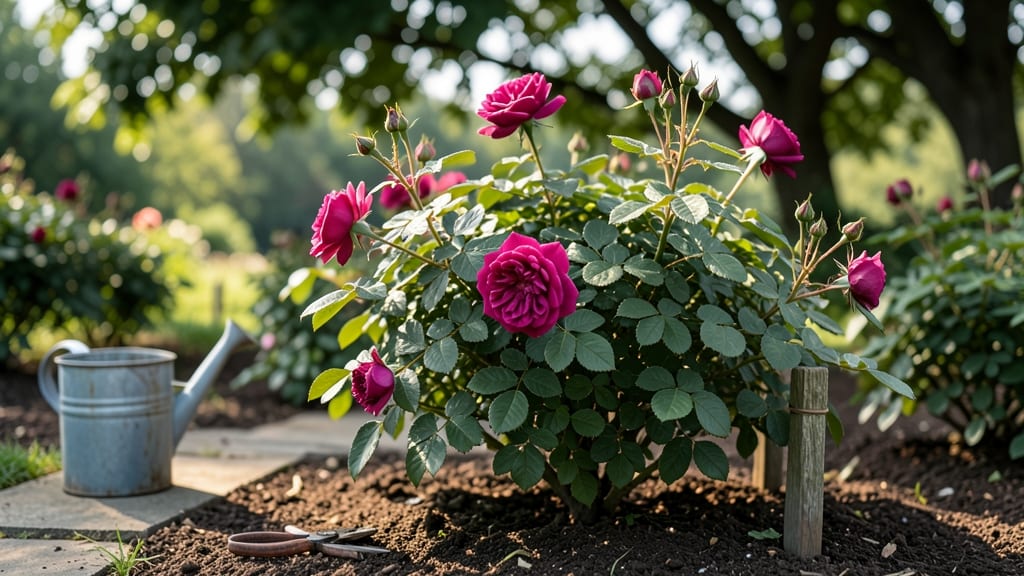
A rose bush gift with edible blooms transforms gardening into a sensory experience—think fragrant cocktails, elegant garnishes, and a garden that doubles as a kitchen. 🌹 I’ve given these bushes for years, and every time, the recipient’s face lights up when they realize they can sip the petals off their own roses.
The key? Choosing varieties like Bourbon, Cabbage, or Damask—their petals are flavorful, safe to eat, and stunning in any drink.
Pairing the bush with a handwritten note about its dual purpose adds a personal touch. I like including a small jar of rose-infused honey or a recipe card for rose lemonade—it turns the gift into an experience, not just a plant.
The presentation matters too: wrap the pot in burlap, tie it with twine, and tuck in a sprig of fresh foliage for that rustic-chic look. Even a simple terracotta pot with a painted tag ("For blooms you can eat") elevates the gift.
What makes this gift special is the harvest of joy it brings. Imagine your friend sipping a martini garnished with their own roses or baking a cake with edible petals. The bush keeps giving—beautiful blooms for the garden and flavor for the kitchen.
It’s a gift that grows, quite literally, with the recipient’s creativity. Perfect for gardeners, foodies, or anyone who loves thoughtful presents.
For extra flair, add a mini pruning shears set or a book on edible flowers. The gift becomes a full introduction to the world of culinary gardening. And here’s the best part: no green thumb required—the roses handle the hard work, while the recipient enjoys the rewards.
Now, who’s ready to wrap up some blooms?
📚 In This Guide
- What you need
- Instructions
- Tips and common mistakes
- Wrapping up and next steps
What you need
- ● Organic rose bush: Choose a variety known for edible blooms (e.g., Rosa gallica, Rosa centifolia, or Rosa damascena). Ensure it’s pesticide-free—look for certified organic or homegrown roses.
- ● Fresh, fully bloomed roses: Harvest 3–5 mature blooms (avoid sprayed or wilted flowers). Pick in the morning for peak freshness.
- ● Pruning shears: Sharp, sterilized shears to trim stems cleanly (avoid crushing petals).
- ● Cold water: A large bowl or bucket filled with ice water to preserve blooms.
- ● Paper towels or salad spinner: For gentle drying to remove excess moisture.
- ● Sugar syrup: Mix 1 cup water + ½ cup granulated sugar (boil 2 mins, cool) to extend bloom freshness.
- ● Food-safe floral preservative: A few drops of vodka or lemon juice in water to prevent bacterial growth.
- ● Edible glitter or gold leaf: For gourmet garnishes (use sparingly!).
- ● Small glass vases or cocktail shakers: For immediate use or storage.
Step-by-Step instructions for growing edible rose bushes
Here's how to nurture a stunning, fragrant rose bush that doubles as a culinary treasure.
🌱 Step 1: Select and Prepare the Planting Site
Choose a location with 6+ hours of direct sun daily—most edible roses thrive in full sun. I dig a hole twice as wide as the root ball but only as deep, since planting too deep suffocates roots. Loosen the sides of the hole with a garden fork to encourage root spread into surrounding soil.
Amend the native soil with 2-3 inches of compost mixed into the bottom of the hole. This ensures your rose has nutrients right where it needs them. Avoid fresh manure—it burns tender roots. Water the hole thoroughly before planting to settle the soil and eliminate air pockets.
🌿 Step 2: Plant the Bare-Root or Potted Rose
Remove the rose from its container or gently separate roots if bare-root. Trim any circling roots with clean shears—these will strangle the plant as it grows. Position the graft union (the swollen bump near the base) about 1-2 inches below soil level. This protects the plant from cold and disease.
Backfill with native soil mixed with compost, tamping gently as you go. Water deeply until the soil settles. You'll see the hole fill completely—this ensures good root-to-soil contact. Mulch with 2-3 inches of organic mulch (like wood chips) around the base, keeping it 6 inches away from the stem to prevent rot.
☀️ Step 3: Establish Proper Watering and Sunlight Routines
Water newly planted roses deeply once weekly—about 1 gallon per plant—to encourage deep root growth. Shallow watering creates weak roots that struggle in dry spells. Check soil moisture by sticking your finger 2 inches down; if it feels dry, water again.
Fertilize lightly with a balanced organic fertilizer (10-10-10) at planting time and again in early spring. Roses need consistent nutrients but hate sudden spikes. You'll see new growth within 4-6 weeks—that's your sign the plant is settling in.
✂️ Step 4: Prune for Health and Edible Blooms
Wait until spring to prune, cutting back one-third of the plant's height to encourage bushier growth. Remove dead, diseased, or crossing branches first. Then trim remaining stems at a 45-degree angle just above an outward-facing bud.
For edible blooms, harvest in the morning after dew dries but before full sun hits. Choose fully open, pesticide-free flowers. Rinse gently and let air-dry on a paper towel. You'll know they're ready when petals crisp slightly—perfect for garnishes or cocktails.
🌿 Step 5: Maintain Through the Growing Season
Monitor for pests like aphids or Japanese beetles—spray with neem oil if needed. Deadhead spent blooms regularly to encourage continuous flowering. In late summer, reduce watering slightly to harden off the plant for winter.
By next spring, your rose bush will reward you with abundant, fragrant blooms perfect for both bouquets and culinary creations. The key is patience—edible roses take 2-3 years to reach full production, but the wait is worth every petal.
Tips & tricks for perfect rose bush cultivation
Growing a thriving edible rose bush takes thoughtful planning—here’s how to avoid common pitfalls and maximize your floral harvest.
Soil Preparation Secret: When amending the hole with 2-3 inches of compost in Step 1, mix in a handful of bone meal for an extra phosphorus boost—this encourages strong root development and earlier blooming. I’ve found that roses planted in amended soil with bone meal produce their first edible blooms about 6-8 weeks sooner than those without. The key is to distribute it evenly in the bottom third of the hole where new roots will form most actively.
Root Handling Technique: In Step 2, when trimming circling roots, use sharp, clean shears and make cuts just outside the root circle—never cut into healthy roots. I learned this the hard way after accidentally damaging roots and watching my plant struggle for weeks. For bare-root roses, soak the roots in water for 1-2 hours before planting to rehydrate them, which helps them establish faster in their new home.
Watering Wisdom: The once-weekly watering routine in Step 3 works best when paired with a deep soak—aim for 1 gallon delivered slowly to encourage roots to grow downward. I’ve seen roses with shallow watering habits develop weak, surface roots that can’t support the plant during dry spells. For container-grown roses, use a moisture meter to check when the top 2 inches of soil are dry before watering again.
Pruning Precision: When pruning in Step 4, always make your cuts at a 45-degree angle just above an outward-facing bud—this directs new growth away from the center of the plant, creating a fuller bush. I mark my cuts with a pencil before making them to ensure consistency. For edible blooms, avoid heavy pruning in late summer as it can reduce next year’s harvest.
Pro Tips for Rose Bush Gift
- Growing a thriving edible rose bush takes thoughtful planning—here’s how to avoid common pitfalls and maximize your floral harvest.
- Soil Preparation Secret: When amending the hole with 2-3 inches of compost in Step 1, mix in a handful of bone meal for an extra phosphorus boost—this encourages strong root development and earlier blooming.
- Root Handling Technique: In Step 2, when trimming circling roots, use sharp, clean shears and make cuts just outside the root circle—never cut into healthy roots.
Frequently asked questions
about giving a rose bush gift for edible blooms—because even the most beautiful gifts need a little extra care! Here are answers to common questions to help you pick, grow, and enjoy your floral masterpiece.What’s the best time of year to give a rose bush as a gift?
The ideal time is early spring (just before buds swell) or fall (after blooming season ends). Avoid winter—dormant plants are harder to transplant. For edible varieties, check local frost dates to ensure healthy growth before gifting!
Can I grow edible roses in pots or do they need a garden bed?
Many edible roses thrive in large containers (15+ gallons) with drainage holes. Use well-draining soil and fertilize regularly. Just ensure pots get 6+ hours of sunlight daily. Varieties like Rosa gallica or Rosa centifolia are pot-friendly picks!
How do I know if a rose bush is safe to eat?
Not all roses are edible—stick to organic, pesticide-free varieties like Damask, Cabbage, or Bourbon roses. Avoid hybrid teas or heavily sprayed roses. Always test a small petal for allergies (some people react to rose hips or leaves). When in doubt, label your gift with safe-to-eat notes!
What’s a good alternative if I can’t find edible rose bushes?
Consider these edible floral gift ideas:
- Lavender sprigs (calming tea or cocktails)
- Nasturtiums (peppery greens + flowers)
- Viola (pansies) (mild, sweet petals)
- Hibiscus (tart, vibrant blooms)
My rose bush leaves are yellowing—what’s wrong?
Yellow leaves usually signal overwatering, nutrient deficiency, or pests. Check soil moisture (should be damp, not soggy), fertilize with rose-specific food, and inspect for aphids. Prune affected leaves and adjust watering—most roses prefer deep but infrequent watering.
Wrapping up and next steps
A rose bush gift isn’t just about beauty—it’s a delicious way to elevate your cocktails, teas, and desserts with edible blooms! Whether you’re a pruning pro or a budding gardener, these fragrant flowers add elegance and flavor to any creation. 🌹✨
Now that you’re equipped with the best practices and FAQs, why not start experimenting? Grow your own edible rose bush, forage responsibly, or gift a potted plant to a fellow cocktail enthusiast. The possibilities are as endless as your creativity—cheers to blooming culinary adventures!
Next step: Pick a rose variety, grab your shears, and let the flavors (and fragrances) unfold! 🍸🌿