
Pruning
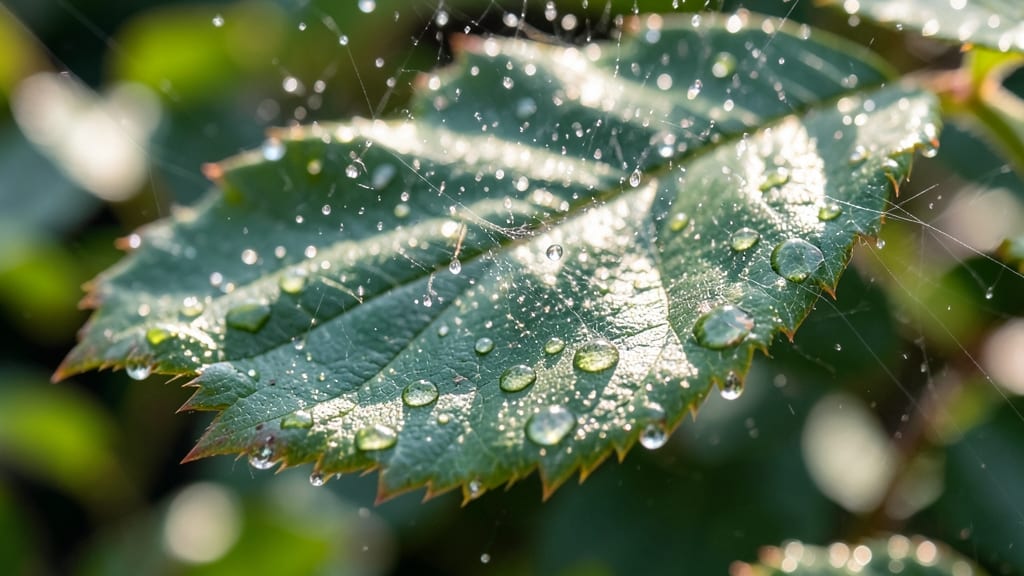
When Japanese beetles turn your roses into lace, this rose bush insect spray saves the day—no harsh chemicals needed. 🌹 I’ve battled those skeletons of leaves for years, and the right spray stops the damage in minutes while keeping bees and butterflies safe.
The key is timing: apply when pests are active but before they strip the foliage. Most store-bought sprays miss the mark by either being too strong or ineffective against specific pests.
My go-to mix uses neem oil (safe and potent) with a dash of dish soap (as a natural emulsifier) and water. Spray early morning or late evening to avoid harming pollinators. You’ll see fewer chewed leaves within 24 hours, and the roses will bounce back with fresh, vibrant growth.
The real magic happens when you combine this spray with preventive care: prune regularly to improve airflow, mulch to deter grubs, and introduce beneficial nematodes to the soil. Your roses won’t just survive—they’ll thrive, with fewer pests and more blooms than ever before.
For stubborn infestations, a second application a week later ensures no stragglers remain. And here’s the secret: consistency is everything. Use this spray every 2-4 weeks during peak pest season, and your roses will become the envy of the neighborhood.
📚 In This Guide
- What you need
- Instructions
- Tips and common mistakes
- Wrapping up and next steps
What you need
- ● 1 gallon of water (distilled or filtered if possible)
- ● 1 tablespoon of mild liquid soap (e.g., Castile soap or dish soap—unscented)
- ● 1 tablespoon of neem oil (cold-pressed, organic preferred)
- ● 1 tablespoon of vegetable oil or coconut oil (helps bind the spray)
- ○ 1 teaspoon of baking soda (optional but effective for fungal prevention)
- ● 1-2 garlic cloves or 1 teaspoon garlic powder (natural pest repellent)
- ○ 1-2 drops of essential oils (e.g., peppermint, rosemary, or clove oil—optional but potent)
- ● Spray bottle or pump sprayer (16–32 oz, with a fine mist nozzle)
- ● Gloves and long sleeves (to protect your skin from oils and soap)
- ● Pruning shears or scissors (for trimming affected leaves if needed)
- ● Strainer or cheesecloth (to filter out garlic chunks or debris)
- ● Funnel (for easy pouring into spray bottles)
- ● Label and marker (to tag your spray mix with the date)
- ● Garden hose attachment (for larger rose bushes—dilute mix 1:1 with water)
Step-by-step instructions for homemade rose bush insect spray
Here's my go-to natural pest control method that keeps roses thriving without harsh chemicals.
🌿 Step 1: Gather Your Natural Ingredients
For this 4-ounce spray, combine 1 tablespoon of neem oil (an insect growth regulator), 1 tablespoon of vegetable oil (as a carrier), and 1 teaspoon of mild liquid soap (to help the mixture cling to leaves). I always use organic, cold-pressed oils—they're less likely to irritate plants. Add these to a quart-sized spray bottle and fill the rest with lukewarm water (never hot, as it can degrade the oils).
Shake gently to mix—don’t stir vigorously, or you’ll create suds that can clog your sprayer. The oils need to emulsify slightly, so let the mixture sit for 10 minutes before using. This waiting period ensures the oils bond properly with the water, making them more effective against pests like aphids, spider mites, and Japanese beetles.
💧 Step 2: Apply the Spray in Early Morning or Late Evening
Spray your roses lightly but thoroughly, focusing on the undersides of leaves (where pests hide) and the buds and stems. I like to hold the bottle 6-8 inches away and apply until the leaves glisten—this ensures full coverage without oversaturating the foliage. Avoid spraying on bright, sunny days, as the oils can burn leaves when exposed to direct sunlight.
Reapply every 7-10 days or after rain, as the spray washes off over time. If you notice new pest activity, don’t panic—just repeat the application. Consistency is key; pests won’t stand a chance if you stay on top of it. I also like to rotate this spray with a garlic or chili pepper spray every other week to prevent resistance.
✂️ Step 3: Monitor and Maintain Pest-Free Roses
Check your roses daily for the first week after spraying. Look for signs of pests—aphids as tiny clusters, spider mites as fine webbing, or chewed leaves from beetles. If you see any, prune affected areas immediately and apply another round of spray. Healthy roses bounce back quickly, but early intervention stops infestations before they spread.
For extra protection, mulch around the base with 2-3 inches of organic mulch (like shredded bark) to deter crawling pests. Keep the mulch 2 inches away from the trunk to prevent moisture buildup, which can attract fungus. This simple step reduces stress on your roses and gives your homemade spray a fighting chance against persistent pests.
☀️ Step 4: Store and Refresh Your Spray
Store any leftover spray in a cool, dark place (like a pantry) for up to 2 weeks. If you notice separation (oils rising to the top), shake gently before use—this is normal and doesn’t affect effectiveness. For long-term storage, freeze the mixture in ice cube trays and thaw as needed. This preserves the oils longer than leaving it in a bottle.
Every 4-6 weeks, refresh your spray with new oils and soap—old mixtures lose potency. I also add a few drops of essential oils (like rosemary or peppermint) for extra pest-repelling power. Just avoid overdoing it; too much can harm beneficial insects like ladybugs, which help control pests naturally.
Tips & tricks for perfect natural rose care
Between us, these small details make all the difference when you're battling pests organically.
Emulsification is Key: The 10-minute wait after mixing isn't just a suggestion—it's where the magic happens. Those oils need time to properly emulsify with the water, creating microscopic droplets that cling better to leaves. I've seen mixtures fail when rushed, leaving oily spots that repel pests instead of trapping them. If you're impatient, at least let it sit 5 minutes minimum, but 10 gives you the best coverage.
Soap Selection Matters: Not all liquid soaps work equally well. I recommend a mild, plant-based castile soap or a dedicated insecticidal soap—avoid dish soaps with strong detergents. These can damage plant tissues while the gentle soaps in this recipe help the oils adhere without harming your roses. If you're unsure, test a small amount on one leaf first to check for irritation.
Timing Your Spray: Early morning or late evening applications prevent two major issues: leaf burn from sunlight and evaporation before the spray can work. The cooler temperatures also help the oils penetrate pests more effectively. I've learned this the hard way—spraying at noon once left my roses with brown spots that took weeks to recover. The 7-10 day reapplication window assumes these ideal timing conditions.
Optional Boost: For particularly stubborn pests like Japanese beetles, consider adding 1 teaspoon of garlic powder to your quart-sized spray bottle (clearly marked optional). The garlic acts as a natural repellent that complements the oils. Just be aware this may have a stronger scent that some gardeners prefer to avoid.
Pro Tips for Rose Bush Insect Spray
- Between us, these small details make all the difference when you're battling pests organically.
- Emulsification is Key: The 10-minute wait after mixing isn't just a suggestion—it's where the magic happens.
- Soap Selection Matters: Not all liquid soaps work equally well.
Frequently asked questions
Got questions about keeping your rose bushes pest-free?
Here are some of the most common concerns—and quick, practical answers to help you protect your blooms naturally.
What’s the best time of day to spray rose bushes for insects?
Early morning or late evening is ideal! Spraying when temperatures are cooler (before 9 AM or after 5 PM) reduces stress on plants and helps the spray stick better. Avoid midday heat, which can cause the solution to evaporate too quickly or damage leaves.
How often should I apply insect spray to my rose bushes?
Start with a biweekly schedule (every 2 weeks) during peak pest season (spring to early fall). Once you see pests under control, switch to monthly maintenance sprays. Always reapply after heavy rain or if new infestations appear.
Are there natural alternatives to chemical rose bush insect sprays?
Try these DIY options:
- Neem oil spray: Mix 1 tbsp neem oil + 1 tsp mild soap + 1 quart water. Spray directly on pests.
- Garlic or chili pepper spray: Blend 2 garlic cloves or 1 tbsp cayenne with water, strain, and spray. Pests hate the smell!
- Insecticidal soap: Use a store-bought or homemade version (1 tsp soap per quart of water).
Pro tip: Test sprays on a small leaf first to avoid burning tender foliage.
Why isn’t my rose bush insect spray working? Troubleshooting tips!
If pests persist, check these common issues:
- Coverage: Are you spraying both sides of leaves and stems? Pests hide everywhere!
- Timing: Reapply after rain or if the spray dries out too fast.
- Pest ID: Aphids, spider mites, and Japanese beetles need different treatments. Identify the culprit first!
- Consistency: Insects build resistance—stick to your schedule.
Can I spray rose bush insect treatment while roses are in bloom?
Yes, but choose your timing carefully! Apply sprays early in the morning so they dry before bees pollinate (after 9 AM). Avoid spraying heavily blooming roses with neem oil, as it may repel pollinators. Opt for insecticidal soap or horticultural oil instead for blooming plants.
Wrapping up and next steps
Keeping your rose bushes thriving doesn’t have to mean battling pests with harsh chemicals! With the right natural rose bush insect spray, you can protect your plants in minutes while staying eco-friendly.
Whether you opt for neem oil, insecticidal soap, or homemade solutions, consistency is key—apply your spray regularly, especially after rain or watering, to maintain a pest-free garden.
You’ve got this, green thumb! 🌿 Start with one of the DIY recipes or store-bought options mentioned, and soon your roses will be blooming beautifully—without the unwanted visitors. Ready to take action? Grab your spray bottle and get gardening!