
Pruning
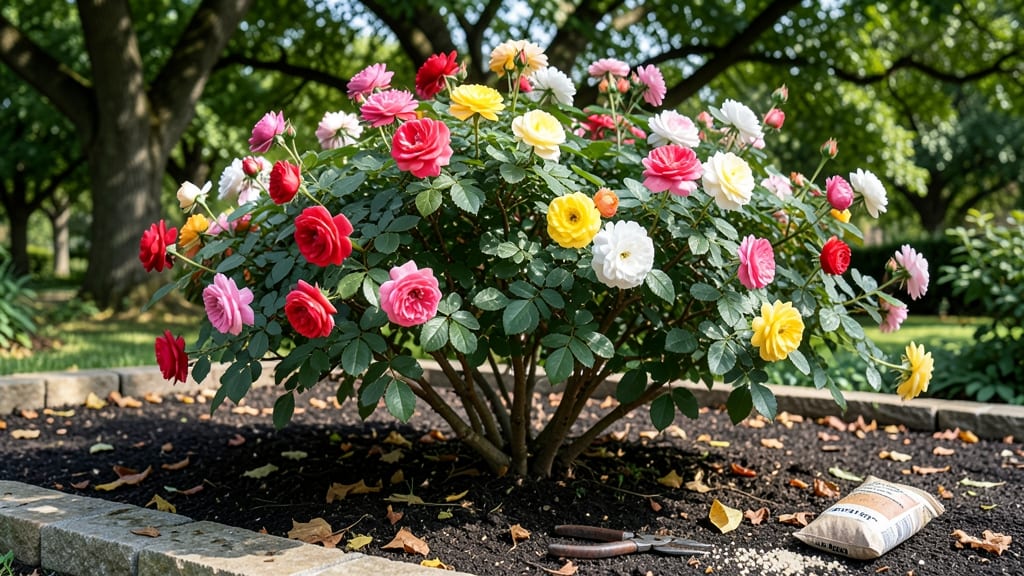
The Coat of Many Colors rose bush isn't just another striped rose—it's a visual showstopper that turns heads from spring through fall. 🌸 I first saw one in a neighbor's garden and immediately knew it would transform any space with its bold, candy-striped blooms in shades of pink, white, and red.
This isn't your typical rose; it's a statement piece that demands attention while blending effortlessly into any design scheme.
What makes this rose truly special is its year-round interest. The striped blooms are the star, but the foliage adds texture, and the plant's compact growth habit makes it perfect for borders, mixed beds, or even as a focal point in containers.
Pair it with lavender for contrast, salvia for texture, or dwarf conifers for structure—the combinations are endless. It thrives in full sun and handles light shade, so placement options are flexible.
Imagine a sunlit border where this rose steals the show, its vibrant stripes catching the light as butterflies flit between blooms. In mixed plantings, it softens hardscapes while adding drama, and in cottage gardens, it brings a playful twist to classic combinations.
The key is letting it shine—whether as a standalone specimen or woven into a larger design.
For maximum impact, plant it where its colors will pop against complementary foliage or blooms. A purple-blue backdrop makes the stripes stand out, while white flowers nearby highlight its pink and red hues.
With minimal maintenance beyond regular pruning, this rose delivers bold beauty with ease—perfect for gardeners who want drama without the fuss.
📚 In This Guide
- What you need
- Instructions
- Tips and common mistakes
- Wrapping up and next steps
What you need
- ● Coat of Many Colors rose bush (bare-root or potted, from a reputable nursery)
- ● Pruning shears (bypass type, sharp, and sterilized—no dull blades!)
- ● Gloves (gardening gloves to protect hands from thorns and dirt)
- ○ Pruning sealant (optional but helpful for large cuts)
- ● Disinfectant (rubbing alcohol or bleach solution for sterilizing tools)
- ● Staking materials (if needed for young or top-heavy bushes—bamboo stakes or metal rods)
- ● Mulch (2–3 inches of organic mulch like wood chips or straw)
- ● Loppers (for thicker branches—10–12 inches reach)
- ● Hand pruners (for precision cuts on smaller stems)
- ● Knee pads (because gardening is not a young person’s game!)
- ● Garden hose or watering can (for post-pruning hydration)
- ● Fertilizer (balanced rose fertilizer or compost tea)
- ● Plant tags or markers (to label your stunning striped beauty!)
- ● A sunny spot (at least 6–8 hours of direct sunlight daily)
- ● Well-draining soil (amend with compost if needed—no soggy roots!)
- ● Access to water (deep watering 1–2 times per week, more in heat)
- ● Patience! These roses thrive with consistent care over seasons.
Step-by-Step guide for planting and caring for a Coat of Many Colors rose bush
This striking rose thrives with the right approach—here’s how to plant and nurture its bold striped blooms.
🌱 Step 1: Choose the Perfect Location and Prepare the Soil
Select a spot with 6-8 hours of direct sunlight daily—the more sun, the more vibrant those signature stripes become. I always test the soil first with a simple pH kit; this rose prefers a slightly acidic environment around 6.0-6.5. If your soil is heavy clay or sandy, amend it with 2-3 inches of compost mixed into the top 12 inches of soil.
Dig a hole twice as wide as the root ball but only as deep. The graft union (that little bump near the base of the stem) should sit just above soil level once planted. If it’s buried too deep, the rose may struggle to establish properly. Loosen the roots gently if they’re circling tightly in the pot—this encourages outward growth.
🪴 Step 2: Plant the Rose Bush with Care
Place the rose in the hole and backfill with native soil mixed with a handful of balanced rose fertilizer (10-10-10 works well). Water deeply to settle the soil around the roots, then add a 2-inch layer of mulch (like shredded bark) to retain moisture and protect roots. Keep the mulch 3 inches away from the stem to prevent rot.
Here’s the thing—this rose is a bit finicky about watering. After planting, water deeply every 2-3 days until new growth appears. You’ll know it’s right when the soil feels damp 2 inches below the surface but not soggy. Overwatering leads to weak stems and fewer blooms, so resist the urge to drench it daily.
☀️ Step 3: Prune for Strong Growth and Abundant Blooms
Prune in early spring before new growth starts. Remove any dead, diseased, or crossing branches first—this opens the center for airflow. Then cut back last year’s growth by one-third, making cuts just above an outward-facing bud. The goal is to encourage a rounded shape with plenty of sunlight reaching the center.
Throughout the season, deadhead spent blooms regularly to redirect energy into new flowers. You’ll see a surge of striped blooms within 6-8 weeks of proper pruning. Avoid heavy pruning in fall—this rose needs its structure intact to handle winter chill.
💧 Step 4: Feed and Protect for Year-Round Beauty
Apply a slow-release rose fertilizer in early spring and again after the first flush of blooms. I swear by organic options like fish emulsion or compost tea—they feed roots without burning tender new growth. Water deeply after fertilizing to help nutrients absorb evenly.
Watch for pests like aphids or spider mites, which love the tender new leaves. A strong spray of water usually knocks them off, but for stubborn infestations, use neem oil. This rose is drought-tolerant once established, but during heatwaves, I water every 5-7 days to keep the soil consistently moist—not waterlogged.
⏰ Step 5: Winterize for Next Season’s Striped Spectacle
Before the first hard frost, apply a 4-inch layer of mulch around the base (but keep it away from the stem). This insulates roots and protects against temperature swings. In colder climates, wrap the canes loosely with burlap or frost cloth—just don’t suffocate the plant.
Prune lightly in late winter to remove any dead growth. The rose will reward you with fresh striped blooms in early spring. Real talk: the first flush of flowers after winter is always the most dramatic—worth every bit of care!
Tips & tricks for perfect Coat of Many Colors rose bush
These game-changing strategies will help you coax out those stunning striped blooms year after year.
Sunlight Secret: The 6-8 hours of direct sunlight in Step 1 isn't just about quantity—it's about quality. Position your rose where it gets morning sun and afternoon shade during peak summer heat. I've seen dramatic color differences between roses getting harsh afternoon sun versus filtered light. For containers, rotate them weekly to ensure even exposure all around.
Soil Science: That pH range of 6.0-6.5 in Step 1 is critical for iron uptake, which directly impacts those vibrant stripes. If your soil tests higher, work in sulfur or peat moss to lower the pH gradually. For clay soils, mix in perlite to improve drainage—the roots need oxygen as much as nutrients. I've had roses struggle for years until I fixed drainage issues.
Watering Wisdom: The 2-3 day watering schedule in Step 2 can backfire if your soil drains poorly. Stick your finger 2 inches down—if it's dry, water deeply until it runs out the bottom. For containers, check daily during heatwaves. I learned this the hard way when my first rose developed black spot from inconsistent moisture.
Pruning Precision: When cutting back by one-third in Step 3, make your cuts at a 45-degree angle just above an outward-facing bud. This creates a natural water shield and directs growth outward. I always sanitize my pruners with rubbing alcohol between cuts to prevent disease spread—this rose is particularly susceptible to fungal issues.
Pro Tips for Coat Of Many Colors Rose Bush
- These game-changing strategies will help you coax out those stunning striped blooms year after year.
- Sunlight Secret: The 6-8 hours of direct sunlight in Step 1 isn't just about quantity—it's about quality.
- Soil Science: That pH range of 6.0-6.5 in Step 1 is critical for iron uptake, which directly impacts those vibrant stripes.
Frequently asked questions
Got questions about growing and caring for your Coat of Many Colors rose bush? You’re not alone! Here are some of the most common queries—and their answers—to help you keep those stunning striped blooms thriving all season.
When is the best time to plant a Coat of Many Colors rose bush?
The ideal time to plant is in early spring or fall, when temperatures are mild (50–70°F). This gives roots time to establish before extreme heat or cold. Avoid planting in summer—heat stress can stunt growth. Pro tip: If planting in fall, do it at least 6 weeks before the first frost!
How often should I prune this rose bush?
Prune once in early spring (before new growth starts) and lightly after flowering to encourage more blooms. Remove dead, diseased, or crossing branches first. For striped varieties like this one, avoid heavy pruning—it can reduce the intensity of the color patterns. Pro tip: Use clean, sharp shears to prevent damage!
Why aren’t my blooms as colorful or striped as they should be?
Faded stripes or dull colors often mean too much shade, over-fertilizing with nitrogen, or inconsistent watering. Ensure your rose gets 6+ hours of sunlight daily and use a balanced rose fertilizer (low nitrogen, high phosphorus/potassium). Pro tip: Mulch around the base to retain moisture and boost color vibrancy!
What pests or diseases should I watch for?
Common issues include aphids, spider mites, and black spot fungus. Inspect leaves regularly for holes, yellowing, or black spots. Treat aphids with a strong spray of water or insecticidal soap. For fungal diseases, prune infected leaves immediately and apply a fungicide. Pro tip: Space plants for airflow to prevent fungal outbreaks!
Can I grow this rose in containers, or does it need a garden bed?
Yes! Coat of Many Colors thrives in containers if the pot is at least 18–24 inches wide with drainage holes. Use a high-quality potting mix and repot every 2–3 years. Just ensure it gets enough sunlight—containers dry out faster than garden beds. Pro tip: Move containers indoors during winter if temps drop below 20°F!
What’s the secret to keeping the stripes bold all season?
Consistent care is key! Water deeply 1–2 times per week (adjust for climate), fertilize monthly during growing season, and avoid over-pruning. The stripes fade with stress, so keep soil moist but not soggy. Pro tip: Deadhead spent blooms to redirect energy into vibrant new growth!
Wrapping up and next steps
The Coat of Many Colors rose bush is a showstopper in any garden, blending bold beauty with easy care. Its vibrant, striped blooms bring joy year-round, and with the right pruning techniques, you’ll keep it thriving for seasons to come.
Whether you’re a seasoned gardener or just starting out, this rose is your ticket to effortless elegance.
Ready to transform your space? Grab your pruners, follow the steps you’ve learned, and watch your Coat of Many Colors bloom like never before! 🌸✨ Start pruning today—your garden will thank you!