
Container Gardens
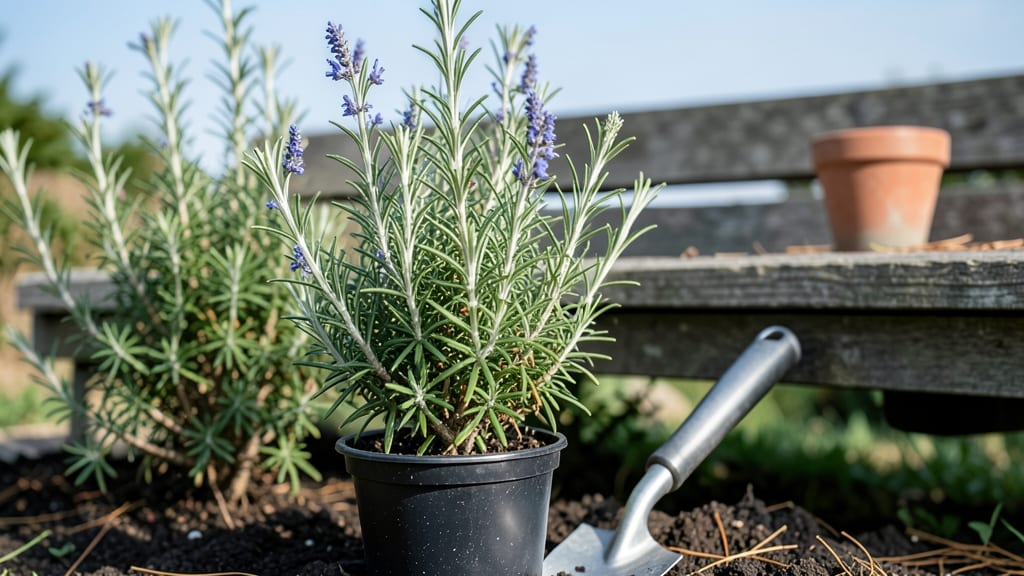
Planting rosemary outside transforms your garden into a fragrant, evergreen powerhouse that thrives with minimal fuss. 🌿 I learned the hard way—rosemary hates soggy soil and cold snaps, but once you nail the sunny spot and well-draining mix, it rewards you with woody stems and piney-scented leaves for years.
The key is treating it like a Mediterranean shrub, not a delicate annual.
Start with a location that gets at least 6 hours of sun daily—rosemary wilts without it—and plant in late spring after the last frost when soil temperatures stay above 50°F. In containers, use a mix of potting soil, perlite, and sand for drainage; in-ground plantings need amended soil with gritty compost.
Spacing matters too: give plants 3-4 feet apart for airflow, or crowd them in pots for a dense, aromatic hedge.
After planting, water deeply but infrequently—rosemary despises wet feet. Let the top inch of soil dry out between waterings, and within weeks, you’ll see new growth signaling it’s settled in.
The first harvest comes in 3-4 months, when you can snip sprigs for cooking or dry bundles for winter use. Just avoid pruning in fall, as new growth won’t harden off before winter.
For colder climates (zones 7-9), rosemary thrives year-round; in zones 6 and below, grow it as an annual or overwinter it in containers near a sunny wall. The secret to longevity?
Never overwater, and prune lightly in spring to encourage bushiness. Once established, this herb practically takes care of itself—just step back and enjoy the scent.
📚 In This Guide
- What you need
- Instructions
- Tips and common mistakes
- Wrapping up and next steps
What you need
- ● Rosemary plants: 1–3 healthy nursery-grown plants (choose Upright or Prostrate varieties based on your space).
- ● Well-draining potting soil: 5–10 gallons (for containers) or amend garden soil with compost (2–3 cups per square foot) and perlite or coarse sand (1 part perlite to 3 parts soil).
- ○ Containers (optional but ideal): 1–2 pots (12–18 inches deep, with drainage holes).
- ● Terracotta or fabric grow bags (prevents root rot).
- ● Drainage materials: Small rocks (½–1 inch) or gravel (1–2 inches layer at the container bottom).
- ● Pruning shears: Sharp, clean pair for trimming (sterilize with rubbing alcohol between cuts).
- ○ Gloves (optional): Gardening gloves to protect hands from prickly stems.
- ● Sunlight: Full sun (6+ hours/day)—rosemary hates shade!
- ● Climate: Hardy in USDA Zones 7–10; in colder zones, grow in containers and bring indoors in winter.
- ● Water source: Drip irrigation or a watering can with a narrow spout (avoid overhead watering).
- ● Space: At least 18–24 inches apart for in-ground planting; deeper containers for upright varieties.
- ● Slow-release fertilizer: 10–10–10 or organic options like fish emulsion (apply sparingly—rosemary prefers lean soil!).
- ● Mulch: Gravel or pebbles (keeps roots cool and prevents soil splatter).
- ● Herb companion plants: Thyme, oregano, or lavender (they love similar conditions!).
- ● pH test kit: Ideal soil pH: 6.0–7.0 (rosemary tolerates alkaline soil).
Step-by-step guide to planting rosemary outside
This hardy Mediterranean herb thrives in full sun and well-drained soil—here’s how to plant it for maximum flavor and vigor.
🌱 Step 1: Choose the Perfect Spot and Prepare the Soil
Rosemary demands full sun exposure (6-8 hours daily) and hates soggy roots, so pick a location with well-draining soil. If your soil is heavy clay, amend it with 2-3 inches of coarse sand or gravel mixed into the top 12 inches of soil. I like to dig a hole twice as wide as the root ball to encourage outward root growth—this prevents the plant from becoming root-bound.
Test your soil’s drainage by digging a 6-inch-deep hole and filling it with water. If it drains completely in under an hour, your soil is ready. If water pools after 2 hours, you’ll need to improve drainage before planting. Rosemary also tolerates slightly alkaline soil (pH 7.0-8.0), so a sprinkle of crushed limestone helps if your soil tests acidic.
🪴 Step 2: Plant at the Right Depth and Spacing
Dig a hole just as deep as the rosemary’s root ball but 3 times wider to avoid compacting the surrounding soil. Gently loosen the roots if they’re tightly bound and place the plant so the top of the root ball sits 1 inch below soil level. This ensures stability without burying the stem, which can cause rot. For container-grown rosemary, remove the pot and tease the roots outward before planting.
Space plants 3-4 feet apart in the ground or 18-24 inches apart in containers. Crowding stresses rosemary, leading to weak stems and poor air circulation—both invite fungal diseases. If planting in a container, choose one at least 12 inches deep and wide with drainage holes. I use terra cotta pots because they wick away excess moisture naturally.
☀️ Step 3: Water Deeply and Mulch to Retain Moisture
Water the newly planted rosemary deeply right after planting—this settles the soil around the roots and eliminates air pockets. Use 1 gallon of water per plant for ground plantings or ½ gallon for container-grown rosemary. Let the soil dry out slightly between waterings; rosemary’s native Mediterranean climate means it thrives on neglect once established.
Apply a 2-inch layer of organic mulch (like pine straw or gravel) around the base, keeping it 2 inches away from the stem to prevent rot. Mulch conserves moisture, regulates soil temperature, and deters weeds. Avoid wood chips, which can compact and suffocate roots over time. You’ll know your rosemary is settling in when new growth appears in 4-6 weeks.
✂️ Step 4: Prune for Shape and Encourage Bushiness
Prune rosemary lightly after planting to encourage a fuller shape. Use clean, sharp pruners to trim back 1/3 of the plant’s height just above a leaf node (where leaves meet the stem). This stimulates branching and prevents leggy growth. Avoid heavy pruning in the first year—rosemary recovers slowly from aggressive cuts.
Prune again in early spring to shape the plant and remove any dead or woody stems. Harvest sprigs regularly (about 1/3 of the plant’s growth) to encourage dense, flavorful foliage. Never cut into old wood—the plant won’t regrow from bare stems. If your rosemary becomes woody at the base, it’s a sign it needs more sun or better drainage.
🌿 Step 5: Protect and Maintain Through Seasons
Rosemary is drought-tolerant once established, but young plants need consistent moisture. Water every 5-7 days during the first growing season, checking that the soil is dry 2 inches below the surface before watering. In containers, water every 3-4 days—potted plants dry out faster. Overwatering is the #1 killer of rosemary; yellowing leaves signal root rot.
In winter, protect rosemary from freezing temperatures. If you’re in a cold climate (below 10°F), mulch heavily with straw or move container-grown plants to a sheltered spot. Prune back any frost-damaged growth in early spring. With proper care, your rosemary will reward you with fragrant, pine-scented foliage for years—ideal for cooking, garnishes, or even as a living border.
Tips & tricks for perfect rosemary planting
Between us, rosemary is one of those plants that looks easy but has subtle nuances that make all the difference. Here’s what I’ve learned after watching too many struggling plants—don’t make my mistakes.
Soil Preparation Secret: If your soil fails the drainage test (water pooling after 2 hours), don’t just add sand—mix in perlite or pumice instead. These materials improve aeration while preventing compaction that sand alone can cause. For heavy clay, I’ve had success with a 50/50 mix of sand and perlite in the top 12 inches—this creates the perfect Mediterranean-like environment rosemary craves. The key is breaking up that dense clay structure while maintaining good moisture retention.
Planting Depth Visual: When placing your rosemary so the root ball sits 1 inch below soil level, imagine the top of the root ball should be level with your wrist when you hold your arm out straight. This simple visual cue ensures you’re not burying the stem (which causes rot) while still providing stability. For container plantings, I mark the 12-inch depth requirement on the pot with a permanent marker before planting to avoid guessing.
Mulch Placement Matters: That 2-inch mulch layer should form a donut shape around your rosemary—2 inches away from the stem—not touching it. I use small stones or pine straw because they allow rainwater to penetrate while preventing soil splashing onto the stems during watering. The mulch’s main job is to regulate temperature swings, not smother the plant. If you see dark spots at the base of the stem after rain, you’ve mulched too close.
Pruning Timing: The 1/3 height trim after planting might seem drastic, but it’s essential for encouraging bushiness. I always prune in the morning when the plant is fully hydrated—this reduces stress. For the early spring pruning, focus on removing dead wood first, then shape the plant by cutting just above leaf nodes. Never prune into old, woody stems—they won’t regrow. Think of it like giving your rosemary a haircut where you’re always cutting above the "foliage roots" (leaf nodes).
Pro Tips for Planting Rosemary Outside
- Between us, rosemary is one of those plants that looks easy but has subtle nuances that make all the difference.
- Soil Preparation Secret: If your soil fails the drainage test (water pooling after 2 hours), don’t just add sand—mix in perlite or pumice instead.
- Planting Depth Visual: When placing your rosemary so the root ball sits 1 inch below soil level, imagine the top of the root ball should be level with your wrist when you hold your arm out straight.
Frequently asked questions
Got questions about growing rosemary outdoors?
You’re not alone! Here are answers to the most common queries to help you cultivate this fragrant, hardy herb with confidence.
When is the best time to plant rosemary outside?
Plant rosemary outdoors in early spring after the last frost (when soil temps reach 50°F+) or in early fall (6-8 weeks before frost). Avoid planting in summer heat—young plants can struggle with transplant shock. If you’re in a mild climate (Zones 8-10), you can plant year-round!
Can rosemary grow in containers or do I need a garden bed?
Rosemary thrives in containers! Use a pot at least 12 inches deep with drainage holes and well-draining soil (like a mix of potting soil and perlite). Containers let you move it indoors if frost threatens. Just ensure it gets 6+ hours of sun daily—even balconies or patios work!
How often should I water rosemary planted outside?
Rosemary is drought-tolerant—water only when the top inch of soil is dry (usually every 1-2 weeks, less in winter). Overwatering causes root rot! Let the soil dry out completely between waterings, and use a drip irrigation system or water at the base to avoid wetting leaves (which invites pests).
Why is my rosemary turning yellow or dropping leaves?
Yellow leaves or leaf drop usually mean overwatering or poor drainage. Check your pot’s drainage and adjust watering habits. Other culprits:
- Frost damage: Move potted rosemary indoors if temps drop below 20°F.
- Pests: Spider mites or aphids can stress plants—spray with neem oil if you spot tiny bugs.
- Nutrient deficiency: Feed with a balanced fertilizer (like 10-10-10) in spring if growth slows.
How cold-hardy is rosemary, and can it survive winter outside?
Rosemary is hardy to USDA Zones 7-10. In Zones 7-8, it may survive mild winters but often dies back to the ground—prune it back in spring. In colder zones (6 or below), grow it in containers and move it indoors for winter. A thick mulch can help protect in-ground plants.
Can I grow rosemary from cuttings instead of buying a plant?
Propagate rosemary from hardwood cuttings (winter) or softwood cuttings (spring/summer):
Wrapping up and next steps
Planting rosemary outside is a rewarding way to enjoy this fragrant, hardy herb year-round—whether in sunny garden beds or stylish containers! With just a few simple steps, you’ll have a thriving plant that boosts your cooking, repels pests, and adds beauty to your space. 🌿✨
Now that you’re armed with the know-how, take the next step: grab your rosemary cuttings or seeds, pick a sunny spot, and get planting! Whether you’re a seasoned gardener or a beginner, rosemary’s resilience makes it the perfect herb to grow. Happy gardening—your kitchen (and senses) will thank you!