
Propagation
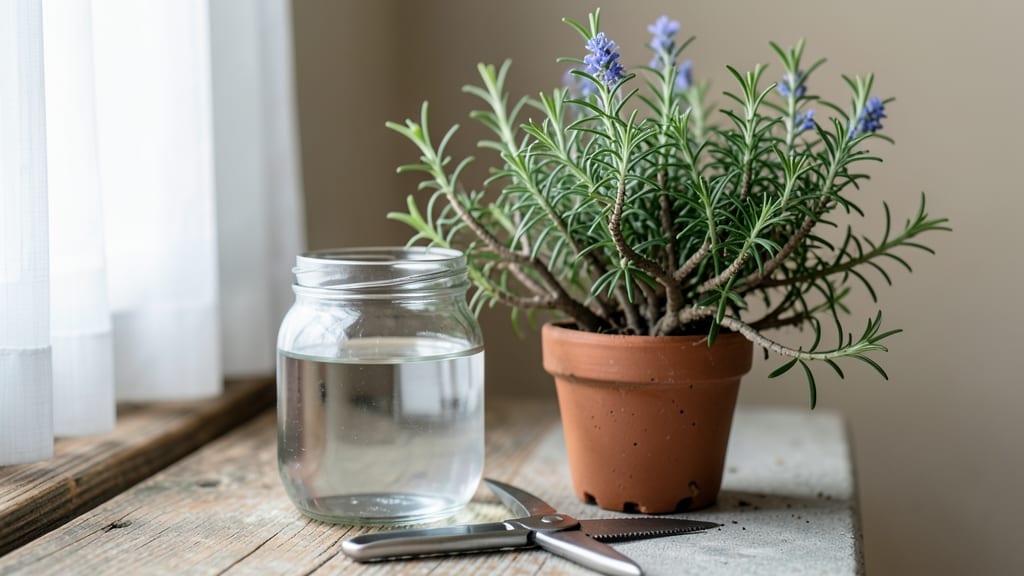
Propagating rosemary cuttings in water turns a single plant into a fragrant garden army in just two weeks. 🌿 I’ve rooted dozens this way, and the secret isn’t complicated—it’s about choosing the right stems, keeping the water fresh, and giving them bright, indirect light.
What starts as a 3-inch cutting can grow into a thriving bush ready for planting in less than a month.
The process is simpler than you’d think: grab sharp pruners, snip just below a leaf node, and pop the stem in a jar of water. Change the water every 3-4 days to prevent bacteria, and place it where sunlight streams in but doesn’t scorch.
Within a week, you’ll spot tiny white roots forming—proof your cutting is happy. By day 14, those roots will be 1-2 inches long, ready to transition to soil.
You’ll end up with lush, aromatic rosemary plants that smell like a Mediterranean summer. The best part? No special equipment—just a jar, water, and patience. These new plants grow faster than store-bought ones and resist pests better because they’re homegrown.
Plus, you’ll have extra rosemary for cooking, gifts, or filling gaps in your garden.
Works for both upright and trailing varieties, and even if you’ve killed plants before, rosemary is forgiving. Let’s get those cuttings growing!
📚 In This Guide
- What you need
- Instructions
- Tips and common mistakes
- Wrapping up and next steps
What you need
- ● Rosemary cuttings: 4–6 healthy, non-flowering stems (4–6 inches long, pencil-thick)
- ● Sharp pruning shears or scissors: Clean, sterilized tools to make precise cuts (avoid crushing stems!)
- ● Clean water: Room-temperature, chlorine-free water (let tap water sit out for 24 hours if chlorinated)
- ● Clear glass or jar: At least 6–8 inches tall (a mason jar or clean drinking glass works perfectly)
- ○ Rooting hormone (optional but helpful): A small bottle of powder or gel (like Clonex or a DIY cinnamon alternative)
- ● Peat moss or perlite: For transitioning rooted cuttings to soil later
- ● Small pot or container: With drainage holes for planting after rooting
- ● Planting soil: Well-draining potting mix (cactus/succulent mix works well)
- ● Humidity dome or plastic bag: To create a mini greenhouse effect while roots grow
- ● Grow lights or sunny windowsill: Bright, indirect light (6+ hours daily)
Step-by-step instructions for propagating rosemary cuttings in water
Here’s how I’ve successfully rooted rosemary cuttings in water—no soil, no stress, just fast roots in two weeks.
🌱 Step 1: Select and Prepare Healthy Cuttings
Choose non-flowering stems from the top third of your rosemary plant—these are the most vigorous. Use clean, sharp scissors to cut 4-6 inch sections just below a leaf node (that little bump where leaves grow). Strip the lower half of leaves, leaving only a few at the top. This reduces moisture loss and helps the cutting focus on root growth.
I like to work in the morning when the plant is hydrated. If the stems feel woody or dry, give the parent plant a good drink the day before cutting. Fresh, flexible stems root best—avoid anything that snaps easily.
💧 Step 2: Place Cuttings in Water
Fill a clean glass or jar with room-temperature water—rosemary hates cold water, which can shock the cuttings. Submerge the stripped stems about 1-2 inches deep, ensuring the nodes (where leaves were removed) are underwater. Use a toothpick to prop the cutting upright if needed—this keeps the stem stable and prevents rot.
Change the water every 2-3 days to prevent bacterial growth. You’ll see tiny bubbles forming at the nodes within 5-7 days—that’s your first sign of root development. Keep the container in bright, indirect light (no harsh sun) to encourage growth without stressing the cutting.
☀️ Step 3: Monitor and Encourage Root Growth
After 7 days, check for root development by gently tugging the cutting. If it resists slightly, roots are forming. If it slides out easily, wait another day or two. I like to place the jar near an east-facing window—enough light without overheating. Avoid south-facing windows, which can scorch the leaves.
If the water level drops, top it off with fresh room-temperature water. You’ll notice new growth at the top of the cutting within 10-14 days, and roots should be ½ inch long by then. This is your cue that the cutting is ready for transplanting—don’t wait too long, or the roots will get root-bound in the water.
🪴 Step 4: Transplant to Soil
Once roots reach ½ inch, prepare a small pot with well-draining potting mix (rosemary hates soggy roots). Gently remove the cutting from water, giving the roots a quick rinse to remove chlorine. Plant it at the same depth it was in water, firming the soil lightly around the base.
Water lightly and place the pot in partial shade for a week to help it adjust. After that, move it to full sun and water only when the top inch of soil feels dry. The first few weeks are critical—keep an eye out for yellowing leaves, which usually means the plant needs more light or better drainage.
Tips & tricks for perfect rosemary propagation in water
Real talk: I've rooted more rosemary cuttings than I can count, and these are the tricks that actually make the difference between success and disappointment.
Timing Secret: The morning after watering your parent plant is the absolute best time to take cuttings. This ensures the stems are fully hydrated and flexible—woody stems are a no-go. I've tried cutting in the afternoon, and those stems just won't root as reliably. Also, work on a cloudy day if possible; bright sunlight can stress the cuttings before they even get a chance to root.
Lighting Strategy: That east-facing window isn't just a suggestion—it's critical. South-facing windows can scorch tender new growth, while north-facing ones might not provide enough light for consistent root development. If you don't have an east window, try a grow light on a timer for 12 hours a day. I've seen cuttings grow roots in just 5 days with proper light, while those in dim conditions took twice as long.
Water Wisdom: Room temperature is non-negotiable—cold water shocks the delicate stems and can actually prevent root formation. I keep my water in a pitcher by the sink overnight so it's always ready and at the right temperature. And here's what nobody tells you: if you notice any black spots forming on the water or stems, that's bacterial growth. Dump that water immediately and rinse the jar with a 1:10 bleach solution before reusing.
Transplanting Transition: When you're ready to move your cuttings to soil, don't rush the process. The roots need to be at least ½ inch long, but I wait until they're closer to 1 inch before transplanting—this gives you a better buffer for the shock of moving to soil. Also, give those roots a quick rinse in clean water before planting to remove any chlorine buildup from the water. This small step makes all the difference in survival rates.
Pro Tips for Propagate Rosemary Cuttings In Water
- Real talk: I've rooted more rosemary cuttings than I can count, and these are the tricks that actually make the difference between success and disappointment.
- Timing Secret: The morning after watering your parent plant is the absolute best time to take cuttings.
- Lighting Strategy: That east-facing window isn't just a suggestion—it's critical.
Frequently asked questions
Got questions about propagating rosemary in water? You’re not alone! Here are some of the most common concerns—and their answers—to help you grow roots like a pro.
Can I use any part of the rosemary plant for cuttings?
Nope! Stick to healthy, non-flowering stems (4–6 inches long) from the tips of the plant. Avoid woody or overly mature branches—they root poorly in water. Look for soft, green growth for best results!
How long does it take for rosemary cuttings to root in water?
Patience pays off! Most rosemary cuttings show roots in 2–3 weeks, but some may take up to 4 weeks. Change the water every 5–7 days to prevent bacteria and keep the cuttings fresh. Watch for tiny white or brown hairs—those are baby roots!
Do I need special water or additives to help rooting?
Plain, room-temperature water works fine, but you can give your cuttings a boost with rooting hormone (optional) or a splash of hydrogen peroxide (3%) to sterilize the water. Avoid tap water with chlorine—let it sit out for 24 hours first if needed.
What do I do if my rosemary cuttings rot before rooting?
Rotting is a sign of too much moisture or bacteria. If you spot black, mushy stems, trim the damaged part and replant in fresh, clean water or straight into soil. To prevent this, use a jar with a narrow neck (like a mason jar) to limit oxygen loss and keep the cutting submerged only at the base.
Can I skip water and root rosemary directly in soil?
While water propagation is beginner-friendly, rosemary roots even faster in moist soil (especially sandy or well-draining mixes). Dip the cut end in rooting hormone, plant in soil, and keep it humid with a plastic bag until roots form. Just be ready to water lightly—overwatering is the enemy!
Wrapping up and next steps
Propagating rosemary in water is a simple, rewarding way to grow your own fragrant plants—no green thumb required! 🌱 With just a few cuttings, patience, and a sunny spot, you’ll watch roots sprout in as little as 14 days.
Once rooted, transplant your new rosemary into soil, and you’ll soon enjoy a thriving herb garden.
Ready to take the next step? Experiment with different varieties or share your success with fellow plant lovers. Happy growing—your kitchen (and nose) will thank you! 😊