
Container Gardens
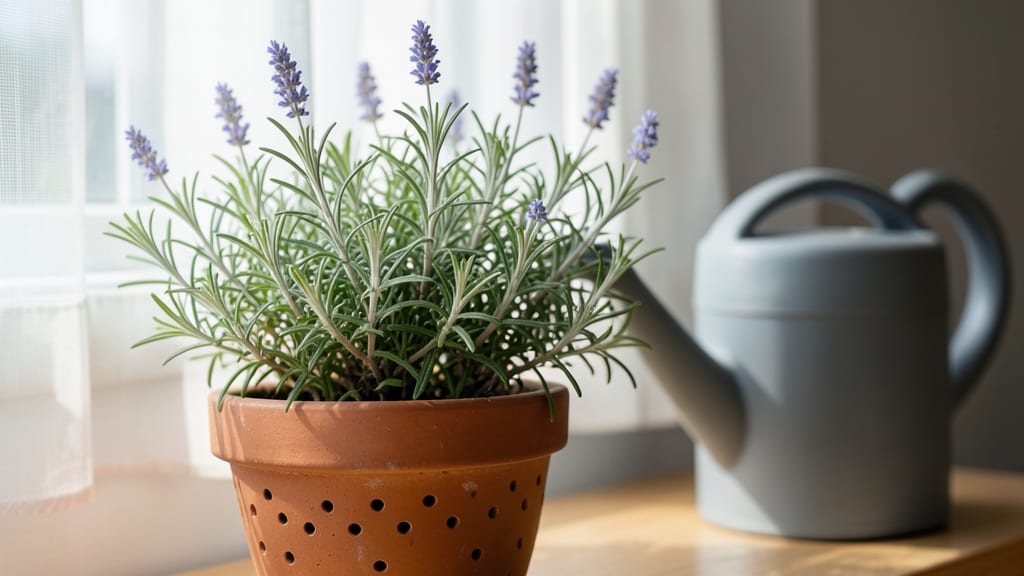
Learn how to take care of rosemary indoors—and you’ll never say goodbye to that fragrant Mediterranean aroma again. 🌿 I’ve kept rosemary thriving in my kitchen for years—it’s all about mimicking its natural dry, sunny habitat.
The key? Bright light, infrequent watering, and a pot with drainage that won't drown its roots.
Start with a 6-inch container and well-draining potting mix (cactus or succulent mix works perfectly). Place your rosemary where it gets 6-8 hours of sunlight daily—a south-facing window or a grow light setup.
Water only when the top inch of soil feels dry, then soak thoroughly. Overwatering is the #1 killer of indoor rosemary.
Prune lightly after flowering to encourage bushier growth, and pinch back leggy stems in early spring. The result? A perennial herb that stays lush, fragrant, and productive for years—no greenhouse required. Even my black thumb keeps this one alive.
For extra insurance, boost humidity with a pebble tray or mist occasionally. Watch for yellowing leaves (too much water) or browning tips (low humidity), and adjust care accordingly. With these simple steps, you'll have fresh rosemary for cooking all year round.
📚 In This Guide
- What you need
- Instructions
- Tips and common mistakes
- Wrapping up and next steps
What you need
- ● Rosemary plant: A healthy, potted rosemary (preferably Upright or Prostratus varieties for indoor growth). Choose one with firm stems and vibrant green leaves.
- ● Well-draining pot: A container 3–5 inches wider than the root ball (e.g., terracotta or ceramic) with drainage holes—rosemary hates soggy feet!
- ● High-quality potting mix: A blend of cactus/succulent mix (50%) + perlite or coarse sand (30%) + peat moss or coco coir (20%) for aeration.
- ● Sunlight access: A south-facing window or a grow light (12–16 hrs/day) for optimal growth.
- ● Watering can with a narrow spout: To avoid overwatering and disturb the soil minimally.
- ● Pruning shears: Sharp, clean scissors (sterilized with rubbing alcohol) for trimming leggy growth.
- ● Humidity tray: A shallow tray with pebbles + water to boost humidity (especially in dry climates).
- ● Fertilizer: Balanced liquid fertilizer (10-10-10) or slow-release granules (use sparingly—rosemary needs minimal feeding!).
- ● Spray bottle: For occasional misting (if leaves look dry).
- ● Support stake: A small bamboo or metal stake if your rosemary grows tall and top-heavy.
Step-by-step guide to cultivating rosemary indoors
Here's how I keep my rosemary thriving year-round with just a few intentional adjustments.
🪴 Step 1: Position for Maximum Light Exposure
Rosemary demands bright light—place it within 3 feet of a south-facing window or under grow lights for 12-14 hours daily. I rotate my plant weekly to prevent lopsided growth toward the light source. Watch for leaves that pale or stretch excessively—this signals insufficient light intensity.
If natural light is weak, supplement with a full-spectrum LED grow light positioned 6-12 inches above the plant. The ideal distance creates a warmth sensation when your hand hovers beneath it for 3 seconds. Without adequate light, rosemary becomes leggy and loses its aromatic potency.
💧 Step 2: Establish a Watering Routine
Water only when the top 2 inches of soil feel completely dry—rosemary thrives on neglect in this regard. I use the finger test: insert your index finger into the soil. If it comes out clean, water thoroughly until liquid runs from the drainage hole. Overwatering causes root rot, which manifests as yellowing leaves and a foul odor.
Use room-temperature water to avoid shocking the roots. I prefer bottom-watering by placing the pot in a saucer of water for 10-15 minutes, then allowing excess to drain completely. This method prevents fungal issues while ensuring even moisture distribution. During winter, reduce watering to every 10-14 days as growth slows.
✂️ Step 3: Prune for Bushier Growth
Trim rosemary after flowering to encourage dense, aromatic foliage. Use clean, sharp scissors to cut back 1/3 of the plant's height, focusing on leggy stems and spent flowers. The key is to cut just above a set of leaves where new growth will emerge. I make diagonal cuts to prevent water from pooling on the stem.
Regular pruning stimulates branching and prevents the plant from becoming top-heavy. You'll notice new shoots forming within 2-3 weeks of pruning. Avoid heavy pruning in winter, as the plant needs energy to survive dormancy. Always sterilize your tools with rubbing alcohol between cuts to prevent bacterial infections.
☀️ Step 4: Maintain Ideal Temperature and Humidity
Rosemary prefers 65-75°F temperatures and struggles below 50°F. Keep it away from drafts, including AC vents and heaters. I place mine on a stable surface near a window but not directly in a cold draft. If your home runs dry, increase humidity slightly by grouping plants together or using a pebble tray with water.
Watch for brown leaf tips—this often indicates low humidity or fluoride buildup from tap water. Switch to filtered or distilled water if you notice this symptom. During summer, move the plant outdoors to a shaded patio for 2-3 hours daily to acclimate it to fresh air, which enhances flavor and vigor.
🌿 Step 5: Fertilize Sparingly for Maximum Flavor
Rosemary grows slowly and doesn't need frequent feeding. I apply a balanced liquid fertilizer (10-10-10) diluted to half-strength every 6-8 weeks during spring and summer. Over-fertilizing leads to rapid, weak growth with diminished aroma. Always water the plant first to prevent fertilizer burn on dry soil.
The best time to fertilize is in the morning when the plant can absorb nutrients during its active growth period. You'll notice richer green leaves and a more intense fragrance within 2-3 weeks of proper feeding. In fall and winter, withhold fertilizer entirely to allow the plant to rest.
Tips & tricks for perfect indoor rosemary care
Keeping rosemary thriving indoors requires just a few intentional tweaks that make all the difference between a struggling herb and a fragrant, lush perennial.
Light Intensity Check: If your rosemary starts stretching toward the light with pale leaves, it's begging for more intensity. Move it closer to the window or adjust your grow light position—those 12-14 hours daily are non-negotiable for maintaining its aromatic potency. I keep a spare grow light handy for winter months when natural light fades, positioning it just 6-12 inches above the plant to create that perfect warmth sensation when you hover your hand beneath it.
The Pruning Paradox: Here's what nobody tells you—pruning isn't just about shaping. When you cut back 1/3 of the plant's height after flowering, you're actually stimulating new growth from dormant buds. The key is making clean diagonal cuts just above leaf sets, which prevents water from pooling on the stem and creates perfect branching points. I sterilize my scissors between cuts with rubbing alcohol (trust me, this prevents bacterial infections that can kill your plant).
Watering Wisdom: Rosemary's drought tolerance is legendary, but that doesn't mean you should neglect it entirely. The 10-15 minute bottom-watering method I use ensures even moisture without soggy soil. Here's my secret: I only water when the top 2 inches feel completely dry—stick your finger in and if it comes out clean, it's time. In winter, I reduce this to every 10-14 days as growth slows dramatically. The plant's natural resilience makes it surprisingly forgiving once you establish this rhythm.
Seasonal Transition Strategy: When summer arrives, your indoor rosemary will thank you for a brief outdoor vacation. Move it to a shaded patio for 2-3 hours daily to acclimate it to fresh air and natural humidity fluctuations. This simple step transforms the plant's flavor profile and vigor—you'll notice richer green leaves and an intensified aroma within weeks. Just be sure to harden it off gradually to avoid shock from temperature swings.
Pro Tips for Take Care Of Rosemary Indoors
- Keeping rosemary thriving indoors requires just a few intentional tweaks that make all the difference between a struggling herb and a fragrant, lush perennial.
- Light Intensity Check: If your rosemary starts stretching toward the light with pale leaves, it's begging for more intensity.
- The Pruning Paradox: Here's what nobody tells you—pruning isn't just about shaping.
Frequently asked questions
Got questions about keeping rosemary thriving indoors? Here are answers to the most common ones—so you can enjoy fresh herbs year-round without the stress!
How often should I water my indoor rosemary?
Water your rosemary only when the top 1-2 inches of soil are completely dry—usually every 1-2 weeks. Overwatering is the #1 killer of indoor rosemary! Let excess water drain away, and avoid soggy soil to prevent root rot. Pro tip: Stick your finger in the soil to check moisture levels.
Can rosemary survive winter indoors?
Rosemary thrives indoors year-round, especially in bright, cool spots (like near a north-facing window). Just reduce watering in winter—its growth slows down, and damp soil can cause problems. A temperature between 60–75°F (15–24°C) keeps it happy.
Why is my rosemary turning brown or crispy?
Brown, crispy leaves usually mean too much sun, underwatering, or low humidity. Move it to indirect light if leaves scorch, and water only when soil is dry. If edges curl, mist the leaves occasionally or place a pebble tray nearby to boost humidity.
Can I grow rosemary from a grocery store bunch?
Yes! Trim the stems just below a leaf node, remove lower leaves, and place them in water or moist soil. Keep it in bright, indirect light. Roots should appear in 2-4 weeks. Once rooted, transplant to a pot with well-draining soil. Bonus: Use the leftover stems for cooking!
What’s the best soil mix for indoor rosemary?
Use a fast-draining, sandy mix like cactus or succulent soil blended with perlite or pumice (50/50 ratio). Avoid heavy garden soil—rosemary hates soggy roots! A pot with drainage holes is a must to prevent waterlogging.
How do I prune rosemary indoors?
Prune in early spring to encourage bushier growth. Trim back leggy stems by ⅓, cutting just above a leaf node. Snip any dead or yellowing branches anytime. Pro tip: Use the clippings in dishes—waste not!
Wrapping up and next steps
Caring for rosemary indoors is easier than you think—just remember light, balance, and patience. With the right pot, soil, and a dash of love (and maybe a spritz of water now and then), you’ll enjoy a thriving herb that’s both beautiful and useful. 🌿
Ready to take the next step? Prune those lush branches for a bushier plant, or harvest fresh sprigs to elevate your cooking. Your indoor rosemary garden is just getting started—happy growing! 🌱