
Planting
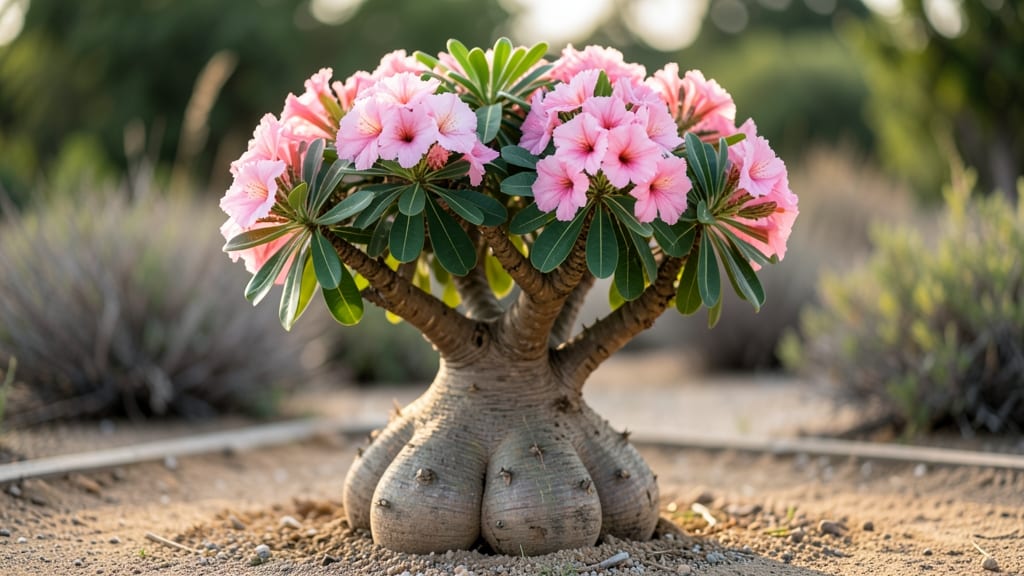
The pink desert rose plant thrives where others wilt—under blazing sun with barely a sip of water. 🌵 I’ve grown these drought-defying beauties for years, and they’ve never failed to impress with their velvety pink blooms and thick, water-storing stems. The key?
Mimicking their natural desert habitat with bright light, fast-draining soil, and a watering schedule that lets them go thirsty. This isn’t a high-maintenance diva—it’s a survivor. Your desert rose will reward you with 3-5 inches of striking blooms in spring and summer, then happily rest through cooler months.
The thick, caudex-like base stores moisture like a built-in reservoir, making it perfect for hot, dry climates or neglectful gardeners (no judgment here). Start with well-draining cactus mix and a pot with drainage holes—no fancy soil science required.
Water deeply but infrequently: once every 2-3 weeks in summer, even less in winter. Overwatering is the #1 killer, so let the soil dry completely between drinks. A little fertilizer in spring kickstarts those showstopping flowers. For container gardeners or small spaces, this plant is a dream.
It stays compact, handles heat like a champ, and even tolerates some urban pollution. Just avoid frost—these tropical survivors need to be brought indoors or protected when temps drop below 40°F. Ready to grow one that outlasts the heat?
📚 In This Guide
- What you need
- Instructions
- Tips and common mistakes
- Wrapping up and next steps
What you need
- ● Pink Desert Rose Plant: A healthy nursery-grown Adenium obesum (ensure it’s disease-free and well-rooted).
- ● Well-draining potting mix: 50% cactus/succulent soil + 30% perlite/pumice + 20% coarse sand (or pre-mixed adenium blend). Quantity: 1–2 gallons per 6-inch pot.
- ● Pot with drainage holes: Terracotta or ceramic (6–12 inches, depending on plant size). Pro tip: 💡 Avoid plastic—it traps moisture and can rot roots!
- ● Slow-release fertilizer: Balanced 10-10-10 or cactus fertilizer (apply sparingly, 2–3 times per growing season).
- ● Watering can with a narrow spout: For precise hydration (overwatering is the #1 killer!).
- ● Pruning shears: Sterilized, sharp pair for shaping and deadheading.
- ○ Grow lights (optional): LED or fluorescent for indoor setups (12–14 hours/day).
- ○ Mulch (optional): Gravel or pebbles to retain heat and deter pests.
- ○ Humidity tray (optional): For indoor plants in dry climates (add pebbles + water).
- ○ Insecticidal soap (optional): For pest control (mealybugs or scale can occasionally appear).
How to grow a thriving pink desert rose in harsh conditions
Here's how I've kept my desert roses blooming year after year with almost no effort.
🪴 Step 1: Select the Right Container and Soil Mix
Pink desert roses (Adenium obesum) thrive in well-draining soil that mimics their native arid conditions. Use a 5-gallon container with drainage holes—terracotta pots work best because they wick away excess moisture. The soil mix should be 50% cactus/succulent mix and 50% perlite or coarse sand to prevent root rot.
I always fill the pot to 2 inches below the rim to allow for watering without spillage. Tap the container gently to settle the mix, then water thoroughly until it drains completely from the bottom. This ensures the roots establish in loose, airy soil rather than compacted dirt.
☀️ Step 2: Position for Full Sun and Protect from Extreme Heat
Desert roses demand 6+ hours of direct sunlight daily, but they need afternoon shade in 90°F+ temperatures to prevent leaf scorch. Place your plant near a south-facing window or under a 50% shade cloth during peak summer afternoons. If growing outdoors, choose a location with morning sun and afternoon shade—this balances their need for light and heat tolerance.
Watch for leaves curling or turning yellow—this is a sign of too much direct heat. Adjust the position gradually over a week to avoid shocking the plant. I’ve found that rotating the pot quarter-turn weekly keeps growth even and prevents lopsided development.
💧 Step 3: Water Deeply but Infrequently
Desert roses are drought-tolerant, but they need deep watering every 2-3 weeks during active growth (spring to fall). Water until 25% of the soil drains out the bottom, then let the top 2 inches dry completely before watering again. Overwatering is the #1 killer—roots rot quickly in soggy soil.
In winter, reduce watering to once a month or when the soil feels bone-dry. Stick your finger 1-2 inches deep—if it’s damp, wait. I’ve seen desert roses survive weeks without water, but their thick stems store moisture, so don’t push it. Always water at soil level to avoid wetting the leaves, which can cause fungal issues.
✂️ Step 4: Prune and Fertilize for Continuous Blooms
After the first flush of flowers fades, prune back 1/3 of the new growth to encourage bushier, more compact growth. Use clean, sharp pruners and cut just above a leaf node at a 45-degree angle to prevent water pooling. This also helps shape the plant and prevents leggy stems.
Feed with a balanced 10-10-10 fertilizer diluted to half-strength every 6 weeks during spring and summer. I skip fertilizing in winter when the plant is dormant. Too much fertilizer leads to weak stems and fewer blooms—less is more with these hardy plants.
🌿 Step 5: Overwinter for Long-Term Success
When temperatures drop below 50°F, move your desert rose indoors near a bright window or under grow lights. Reduce watering to once a month and stop fertilizing entirely. The plant will enter dormancy, and its thick stem will shrink slightly—this is normal.
In late winter, resume watering when you see new growth buds forming. Gradually reintroduce sunlight over 2 weeks to avoid sunburn. I’ve kept mine alive for 10+ years by overwintering correctly—it’s the secret to their longevity.
Tips & tricks for perfect pink desert rose care
Real talk: These desert beauties are tougher than they look, but a few key moves make all the difference between a struggling plant and one that thrives.
Soil Science Matters: The 50/50 mix of cactus/succulent soil and perlite isn't just random—it creates the perfect air-to-moisture ratio. I've seen desert roses drown in regular potting mix, so don't skip this. For even better drainage, add a handful of coarse horticultural charcoal to your mix. It helps prevent bacterial buildup in that critical bottom layer where roots establish.
Sunlight Strategy: That 6+ hours of direct sun is non-negotiable, but the afternoon shade in 90°F+ temps is where most people fail. I use a removable shade cloth that I can snap on when temps hit 90°F—no guessing required. Pro tip: If you don't have shade cloth, a lightweight white bedsheet works in a pinch. The key is diffused light, not complete darkness.
Watering Wisdom: The 2-3 week watering schedule during active growth might seem extreme, but trust me on this: I've revived plants that were nearly dead from overwatering by simply adjusting to this schedule. When you do water, make it count—pour until you see water running out the drainage holes. This ensures the roots get properly hydrated without sitting in soggy conditions.
Pruning Precision: That 1/3 pruning ratio after flowering isn't arbitrary—it triggers bushier growth by encouraging multiple new shoots from the stem nodes. Use a sterilized razor blade (yes, really) for clean cuts, and always cut at a 45-degree angle just above a leaf node. I've seen pruning wounds heal poorly when cut too close to the node, leading to weak regrowth.
Pro Tips for Pink Desert Rose Plant
- Real talk: These desert beauties are tougher than they look, but a few key moves make all the difference between a struggling plant and one that thrives.
- Soil Science Matters: The 50/50 mix of cactus/succulent soil and perlite isn't just random—it creates the perfect air-to-moisture ratio.
- Sunlight Strategy: That 6+ hours of direct sun is non-negotiable, but the afternoon shade in 90°F+ temps is where most people fail.
Frequently asked questions
Got questions about nurturing your pink desert rose plant? You’re not alone! Here are the most common queries—plus straightforward answers to help your plant thrive with confidence.
How often should I water my pink desert rose?
Water your pink desert rose sparingly—only when the top 1–2 inches of soil are completely dry. Overwatering is the #1 killer! Aim for every 2–3 weeks in summer and monthly in winter. Let it soak deeply but avoid soggy soil. Pro tip: Use a moisture meter or stick your finger in the soil to check!
Can pink desert roses survive winter outdoors?
Most varieties are hardy to USDA Zones 9–11 and need protection in colder climates. In frost-prone areas, dig up the plant, trim back the foliage, and store it in a cool, dry place (like a garage) with minimal water. Resume care in spring once temps rise above 50°F. Mulch heavily if leaving it in the ground!
Why aren’t my pink desert rose leaves staying pink?
Fading pink? It’s usually due to too much sun or poor drainage. Move your plant to partial shade (especially in harsh afternoon sun) and ensure well-draining soil. Yellowing leaves may signal overwatering—let the soil dry out completely between waterings. Fertilize lightly in spring with a low-nitrogen cactus mix to boost color!
What’s the best container for a pink desert rose?
Choose a terracotta or clay pot (they wick away moisture) with drainage holes. A container that’s too large (over 12 inches) can trap excess water. Elevate the pot on pebbles or a saucer to prevent root rot. For extra stability, pair it with a lightweight decorative cache pot!
Are there drought-tolerant alternatives to pink desert rose?
Try these low-water, heat-loving plants:
- Prickly Pear Cactus – Bold colors, ultra-drought-resistant.
- Agave – Spiky, architectural, and thrives in poor soil.
- Lantana – Blooms nonstop with minimal care.
- Sedum (Stonecrop) – Succulent-like, great for borders.
Wrapping up and next steps
The pink desert rose plant is a stunning, low-maintenance gem that thrives in heat and minimal water—perfect for busy gardeners or arid climates! 🌵 With its striking blooms and drought-resistant nature, it’s an easy way to add beauty without the fuss.
Whether you’re a beginner or a seasoned plant parent, this resilient succulent rewards patience with vibrant color year after year.
Ready to grow your own? Start small—pick a sunny spot, grab a pot or patch of soil, and let nature do the rest! Plant yours today and enjoy the effortless elegance of desert gardening. 🌸