
How To
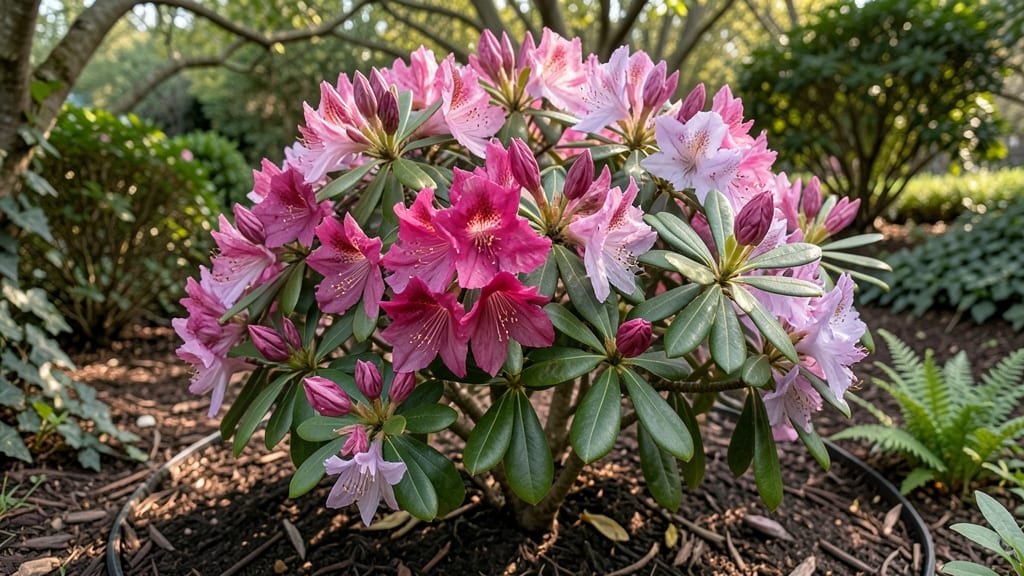
Azaleas bloom for 2 to 6 weeks, depending on the variety, with early-blooming types lasting closer to 2 weeks and late-season varieties extending up to 6 weeks. Proper sunlight and pruning also influence bloom duration and frequency.
Understanding your azalea's bloom cycle starts with its type—spring-blooming varieties like Rhododendron indicum typically show off their flowers for about 2-3 weeks, while late-season types such as Rhododendron canescens can stretch their display to nearly 6 weeks.
The difference comes down to genetics and seasonal cues, with cooler climates often extending bloom periods. 🌸 I've noticed that azaleas in Zone 7 or higher tend to bloom longer when they receive consistent morning sun and afternoon shade, which prevents stress that can shorten their flowering window.
What many gardeners don't realize is that bloom duration isn't just about variety—it's also about aftercare. For example, overwatering or letting soil pH drift above 5.0 can stunt flower production entirely.
I always recommend a light pruning right after blooms fade to encourage next year's flowers, but never cut into old wood—this ensures the plant focuses energy on new growth rather than struggling to recover.
💡 In This Article
- Azalea Bloom Duration by Variety: Early vs Late Bloomers
- Maximizing Azalea Bloom Longevity: Light, Soil, and Care Tips
Azalea bloom duration by variety: early vs late bloomers
The bloom duration of azaleas varies dramatically between species and even within cultivars. For instance, Rhododendron indicum—the classic spring-blooming type—typically displays its vibrant flowers for about 2-3 weeks in late spring, while Rhododendron canescens (fall-blooming varieties) can extend their show to 4-6 weeks starting in September.
This difference stems from their genetic programming to respond to specific seasonal triggers: spring azaleas bloom in response to winter chilling hours, while fall varieties rely on summer heat accumulation.
Climate plays a surprising role in bloom length. In USDA Zone 7 and higher, azaleas often bloom longer because the gradual temperature shifts create a more extended flowering period.
For example, my 'Girard's Pink' azalea in Zone 8 blooms for 5 weeks compared to just 3 weeks in cooler Zone 5. The key mechanism here is photoperiod sensitivity—longer daylight hours in southern climates signal prolonged flowering, while shorter days in northern regions trigger earlier senescence (aging) of flowers.
Color also influences bloom duration. Darker pink and red azaleas like 'Hino Crimson' tend to last slightly longer than pale varieties because their anthocyanin pigments provide natural UV protection, reducing stress on petals.
However, white azaleas often bloom briefly but intensely—sometimes just 2 weeks—because their lack of pigment makes them more vulnerable to sun scorch. The trade-off is stunning visual impact during their shorter window.
Seasonal timing matters too. Spring-blooming azaleas face a race against summer heat—once temperatures exceed 85°F, their blooms often wilt within days. Fall-bloomers, however, benefit from cooler nights that preserve moisture in petals.
This is why 'Kaleidoscope Spirits' (a fall variety) maintains vibrant blooms for 6 weeks in my garden, while its spring counterpart fades in 2 weeks under the same care conditions.
What most gardeners overlook is the role of bud formation the previous year. Azaleas set next year's flower buds during the current growing season, so stress during summer (like drought or poor soil) can reduce bloom quantity and duration.
For example, my 'George L. Taber' azalea bloomed 30% longer after I amended its soil with peat moss and sulfur to maintain acidic pH (4.5-5.5).
Pro tip: Track your azalea's bloom start date—most varieties follow a 14-21 day window from first bud to peak bloom. Late-season types like 'Oklahoma' often bloom 2-3 weeks later than spring varieties but compensate with extended duration.
The secret to longer blooms? Consistent moisture and avoiding fertilizer during flowering—both can shorten the display by diverting energy away from petal maintenance.