
Flowers
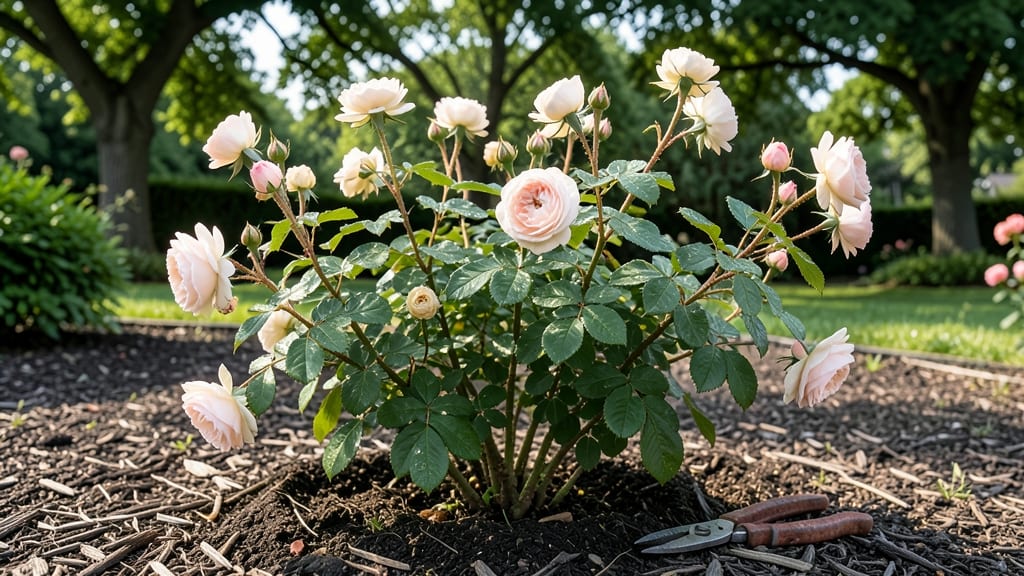
That pink discoloration creeping up your rose stems isn’t just unsightly—it’s a cry for help from your plants. 🌹 I’ve seen black spot turn lush roses into sad skeletons, and the good news is, early action can bring them back to life.
The secret? Identifying the problem fast and acting with the right mix of organic fixes and, if needed, targeted treatments.
Most of the time, pink or dark spots on stems mean black spot fungus or powdery mildew, but bacterial blight can show up too. The key is checking for fuzzy growth (mildew), black spots with yellow halos (black spot), or oozing sores (bacterial).
Once you know what you’re dealing with, you can cut out the damaged stems and stop the spread before it ruins your whole bush.
With the right pruning, fungicide spray, and a little TLC, you’ll see fresh green growth in 2-3 weeks. The best part? Preventing future outbreaks is easier than you think—just keep your roses well-spaced, water from below, and clean up fallen leaves.
Your roses will thank you with bold, healthy blooms all season long.
This works for hybrid teas, floribundas, and even climbers—just adjust the treatment based on the fungus or bacteria. Let’s get those stems back to their vibrant best before the problem spreads further.
📚 In This Guide
- What you need
- Instructions
- Tips and common mistakes
- Wrapping up and next steps
What you need
- ● Wilted pink rose stems: 1–5 stems (freshly cut or recently wilted—avoid stems that are mushy or moldy).
- ● Sharp pruners or clean scissors: 1 pair (sterilized with rubbing alcohol to prevent disease).
- ● Room-temperature water: 1–2 gallons (tap water is fine, but avoid softened or overly chlorinated water).
- ○ Floral preservative (optional but recommended): 1 packet (e.g., Floralife or homemade mix—see tips below!).
- ● Clean vase or jar: 1 (glass or ceramic, with a narrow neck to reduce water exposure to stems).
- ● Newspaper or paper towels: 1–2 sheets (for drying stems before trimming).
- ● Aluminum foil or plastic wrap: 1 sheet (for sealing cuts temporarily).
- ● Sugar (1 tsp) + bleach (1/4 tsp): DIY preservative booster (mix with water in the vase).
- ● Aspirin (1/4 tablet, crushed): Natural antibacterial agent (add to water).
- ● Hairspray (clear, alcohol-free): Light mist to seal stem cuts if preservative isn’t available.
- ● Food coloring (pink or pale purple): For a fun, matching water tint (use sparingly!).
- ● Decorative pebbles or marbles: 3–5 (to weigh down stems and keep them submerged).
Step-by-Step instructions for reviving a pink rose stem
Here's how I bring wilted pink roses back to vibrant life—no fancy tools needed.
💧 Step 1: Trim the Stem and Remove Leaves
Start by cutting the stem at a 45-degree angle about 2 inches below the wilted bloom. This creates a larger surface area for water absorption. Use sharp scissors or pruners to avoid crushing the stem—crushed ends block water flow and prevent revival.
Next, strip all the leaves from the lower half of the stem. Leaves act like straws, sucking water out of the stem and accelerating wilting. Leave only the top 2-3 leaves attached. This simple step dramatically improves your chances of success.
☀️ Step 2: Soak the Stem in Room-Temperature Water
Fill a clean vase or jar with room-temperature water—never cold water, as it can shock the stem and cause air bubbles to form. Submerge the trimmed end of the rose stem completely for at least 1 hour. This hydration step rehydrates the stem tissues and helps push air out of the vascular system.
While soaking, check for any remaining air bubbles trapped in the stem. Gently tap the stem on the counter or use a thin needle to pop any bubbles—trapped air blocks water uptake. After the hour, drain the water and prepare for the next step.
🪴 Step 3: Create a Fresh Water Solution
Fill your vase with fresh, room-temperature water and add 1 tablespoon of white vinegar and 1 teaspoon of sugar. The vinegar acts as a natural disinfectant, preventing bacterial growth that can clog the stem. The sugar provides quick energy for the rose to revive.
Place the stem in the vase and position it in a spot with bright, indirect light. Direct sunlight can overheat the water and cause the stem to wilt again. Watch for tiny bubbles forming at the cut end—this is a good sign the stem is absorbing water.
⏰ Step 4: Monitor and Refresh Daily
Check the water level every 24 hours and top it off as needed to keep the stem submerged. Change the water completely every 2-3 days to prevent bacterial buildup. You'll notice the petals beginning to perk up within 12-24 hours, and full revival typically occurs within 2-3 days.
If the rose doesn't revive after 3 days, trim another ½ inch off the stem and repeat the soaking process. Sometimes a fresh cut is all it needs to start absorbing water again. Keep the vase away from drafts, heaters, or air conditioning vents—temperature fluctuations stress the stem.
🌿 Step 5: Extend the Revival with Optional Care
For longer-lasting results, add a few drops of bleach (just 1-2 drops) to the water every time you refresh it. This extra disinfectant helps keep the water clean longer. You can also add a bit of floral preservative if you have it on hand—these contain nutrients and anti-bacterial agents designed specifically for cut flowers.
Once your pink rose is fully revived, enjoy it in a cool, shaded spot. These rescued blooms often last another 3-5 days with proper care. If you love the results, try this method with other wilted flowers—it works wonders on peonies, hydrangeas, and even lilies!
Tips & tricks for reviving wilted pink roses
Here's what nobody tells you about bringing roses back to life—these little details make all the difference.
The Cutting Angle Matters: When you make that 45-degree angle cut in Step 1, take your time to make it clean and even. A jagged cut can create microscopic tears that slow water absorption. I use a sharp pair of floral shears for the cleanest cut possible—it's worth the investment if you do this often. The larger surface area from the angle is what helps the stem drink up water efficiently.
Air Bubbles Are the Silent Killer: After the 1-hour soak in Step 2, you might miss tiny air bubbles clinging to the stem. These bubbles act like roadblocks, preventing water from reaching the flower. I keep a thin sewing needle handy to gently pop any bubbles I spot. If you don't have a needle, even a paperclip bent into a point works in a pinch—just be gentle to avoid damaging the stem.
Light Matters More Than You Think: That "bright, indirect light" in Step 3 isn't just about aesthetics—it's about photosynthesis. Place your revived rose near a north-facing window or under a grow light if natural light is limited. Direct sunlight can overheat the water and cause the stem to wilt again, while too little light means the flower won't have the energy to fully revive. I've seen roses perk up beautifully in just 12-24 hours when placed in the right light conditions.
Bleach Dosage is Critical: When adding bleach in Step 5, remember that a little goes a long way. Those 1-2 drops are all you need—any more can actually harm the delicate stem tissues. I use a dropper to measure precisely, and I always stir the water gently before adding the stem. This keeps the bleach evenly distributed without concentrating in one spot.
Pro Tips for Pink Rose Stem
- Here's what nobody tells you about bringing roses back to life—these little details make all the difference.
- The Cutting Angle Matters: When you make that 45-degree angle cut in Step 1, take your time to make it clean and even.
- Air Bubbles Are the Silent Killer: After the 1-hour soak in Step 2, you might miss tiny air bubbles clinging to the stem.
Frequently asked questions
Got questions about saving those pink rose stems? You’re not alone! Here are some of the most common concerns—and expert-backed answers—to help you revive your wilting blooms like a pro.
Why are my pink rose stems wilting so quickly?
Pink roses wilt fast due to overwatering, poor drainage, or heat stress. Check the soil—it should feel damp but not soggy. Trim damaged stems and place them in a cool, shaded spot while you troubleshoot. Pro tip: Roses need 6+ hours of sunlight daily—too much shade weakens stems.
How long does it take to revive a pink rose stem?
With proper care, you’ll see improvement in 24–48 hours. For severely wilted stems, trim them at a 45-degree angle, soak in room-temperature water with a sugar cube (for energy), and place in indirect light. Patience is key—some roses take 3–5 days to perk up fully!
Can I reuse the same vase water for multiple pink rose stem rescues?
Yes, but refresh the water every 2–3 days to prevent bacterial buildup. Add a drop of bleach or hydrogen peroxide (1 part per gallon) to sterilize the water. Avoid overcrowding stems—2–3 roses per vase is ideal. Warning: Stagnant water = faster wilting!
What’s the best alternative if my pink rose stems won’t revive?
If stems refuse to recover, try propagating them! Snip a healthy stem, remove lower leaves, and place it in water with a rooting hormone. Keep it in bright, indirect light until roots form (usually 2–4 weeks). If propagation fails, consider composting—rose stems break down quickly and enrich soil!
Should I trim the leaves off my pink rose stems before reviving them?
No—leave the leaves on! They help the stem absorb water. However, trim any leaves submerged in water to prevent rot. If a leaf is yellow or mushy, snip it off. Healthy leaves = better hydration for the stem. Bonus: A leafy stem often revives faster than a bare one!
Wrapping up and next steps
Reviving a wilted pink rose with its stem isn’t just possible—it’s a rewarding way to breathe new life into nature’s beauty! 🌸 By understanding the science behind hydration, pruning, and care, you can turn droopy blooms into vibrant centerpieces once again.
Whether you’re a gardening novice or a seasoned enthusiast, these techniques prove that even the simplest stems hold incredible potential.
Now that you’re armed with the know-how, grab those scissors and a vase—your next step? Try the method on your own wilting roses or experiment with other cut flowers! Every stem deserves a second chance, and you’ve got the power to make it happen. Happy reviving! ✨