
Light Requirements
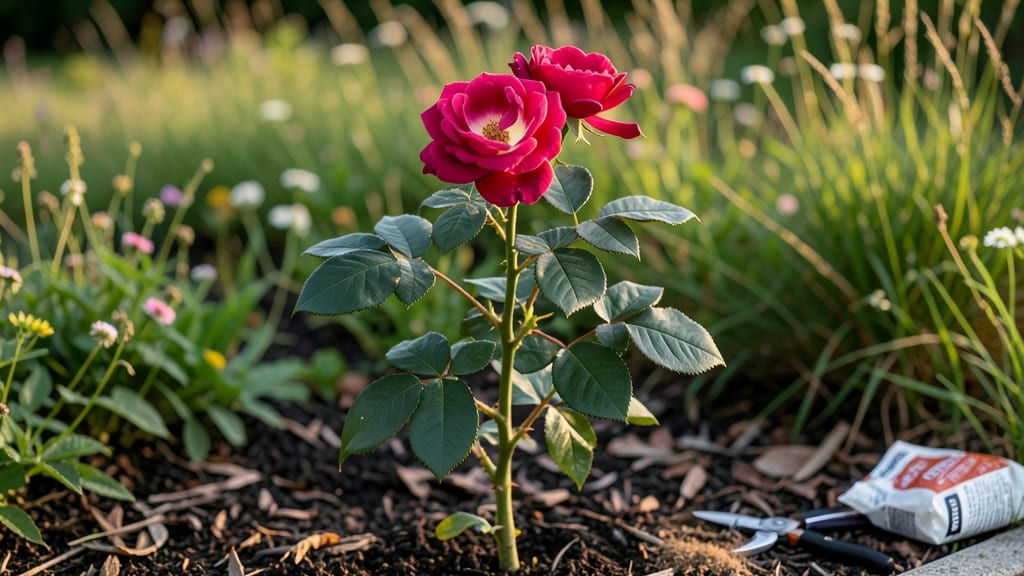
The Peggy Martin rose thrives in full sun requirements, needing at least 6 hours of direct sunlight daily to produce its signature velvety blooms.
Picture this: your 🌹 Peggy Martin Rose standing tall, its petals bursting with color—only to wilt under insufficient light. Without the right sun exposure, even the hardiest roses struggle to reach their full potential, and Peggy Martin is no exception.
In USDA Zone 6a, where spring planting is ideal, understanding seasonal adjustments is key. Summer’s intense rays demand afternoon shade, while winter’s weaker light means positioning near a south-facing window or sunny garden bed can make all the difference.
Below, I’ll break down exactly how to position your rose for peak blooms, spot signs of light stress, and tweak its environment for year-round vibrancy—no guesswork required.

How many hours of sun does a Peggy Martin rose need daily?
The Peggy Martin rose thrives in full sun but adapts beautifully to partial shade in hot climates. Aim for 6-8 hours of direct sunlight daily for the most vibrant blooms, though 4-6 hours works in milder zones.
Understanding your USDA hardiness zone and seasonal shifts is key to keeping this climbing rose happy year-round.
In USDA Zones 6-9, where most gardeners grow Peggy Martin roses, south-facing locations provide the ideal morning sun and gentle afternoon shade. If you're in Zone 10+, afternoon shade becomes critical to prevent heat stress.
The velvety petals of this rose actually deepen in color with more light, making sun exposure non-negotiable for that showstopping look.
| Climate Zone | Daily Sun Needs | Seasonal Adjustments | Best Location |
|---|---|---|---|
| Zones 3-5 | 6-8 hours | Extend light with reflective surfaces in winter | South or southwest exposure |
| Zones 6-8 | 6-8 hours | Afternoon shade in summer (3-5 PM) | South-facing with afternoon shade |
| Zones 9-10 | 4-6 hours | Morning sun only; full shade after 12 PM | East-facing or dappled shade |
| Containers/Pots | 6+ hours | Rotate pot weekly for even light exposure | South-facing patio or balcony |
Monitor your rose's light exposure using a simple sunlight tracker. Place a white piece of paper near the plant and mark shadows every hour. If shadows cover more than 25% of the paper for over 4 hours, your rose needs more sun.
Conversely, if the paper stays mostly in shade, consider relocating to a sunnier spot.
Seasonal adjustments are crucial. In spring and fall, when days are shorter, supplement natural light with reflective mulch (white gravel or aluminum foil) to bounce extra light onto the plant. During summer's peak heat, provide afternoon shade with a lightweight shade cloth (30-50% shade) to prevent leaf scorch.
For container-grown Peggy Martin roses, prioritize south-facing windowsills or balconies. Rotate the pot quarter-turns weekly to ensure even sunlight exposure on all sides. In urban gardens with limited sun, use reflective surfaces like mirrors or light-colored walls to maximize available light.
Watch for seasonal color shifts in your rose's blooms. Darker, richer petals indicate optimal sunlight, while pale blooms signal insufficient light. In Zone 6+, extend the growing season by placing a clear plastic tunnel over the plant in early spring to capture extra warmth and light.
If your Peggy Martin rose is planted near taller trees or buildings, consider pruning nearby foliage to increase light penetration. Aim to remove 30-50% of obstructive branches gradually over 2-3 years to avoid shocking the plant. Always prune in late winter or early spring before new growth begins.
For maximum blooming potential, pair your Peggy Martin rose with sun-loving companions like lavender, salvia, or catmint. These plants create a microclimate that retains heat and light, benefiting your rose. Avoid planting near competitive shade trees like maples or oaks, which can steal vital sunlight.
Remember, consistency is key. Sudden changes in light exposure—like moving a potted rose from shade to full sun—can cause sunburn or stress. Acclimate plants gradually by moving them 2-3 feet closer to sunlight weekly over 2-3 weeks. This slow transition helps the foliage harden and prevents damage.
With the right sunlight strategy, your Peggy Martin rose will reward you with continuous blooms from early summer through fall. The secret lies in balancing direct sunlight, seasonal adjustments, and protective shade—all tailored to your unique climate zone. 🌹
Signs your Peggy Martin rose isn’t getting enough sun (and how to fix it)
If your Peggy Martin rose is struggling to thrive, insufficient sunlight is often the culprit. This stunning rose variety thrives in full sun conditions, but when deprived, it sends clear distress signals. The first warning sign is leggy, weak stems that stretch toward any available light source.
You’ll also notice fewer blooms or buds that fail to open completely. The vibrant velvety petals may appear pale or muted, lacking the rich color this rose is known for. Even the foliage can become sparse, with smaller-than-usual leaves that look anemic.
⚠️ WARNING: Your Peggy Martin Rose’s Sun Struggles ⚠️
⚠️ Sunlight Deficiency Alert
🌱 Symptoms:
- Leggy stems reaching upward
- Sparse blooms or buds that don’t open
- Pale foliage with yellowing leaves
- Weak growth and stunted height
💡 Quick Fix:
Move to 6+ hours of direct sun immediately. Use reflective surfaces (like white gravel) to bounce extra light onto the plant. Prune leggy stems to encourage bushier growth in sunnier conditions.
When your Peggy Martin rose isn’t getting enough sun, it may also develop yellowing leaves—a classic sign of chlorosis. This occurs when the plant can’t produce enough chlorophyll due to limited energy from sunlight.
Check the undersides of leaves for a pale or almost white appearance, which is a dead giveaway.
Another red flag is delayed or absent blooming. This rose is a repeat bloomer, so if it’s not producing flowers consistently, it’s likely not getting the 6+ hours of sunlight it craves daily. Even when blooms do appear, they may be smaller and less vibrant than expected.
To fix these issues, consider transplanting your rose to a sunnier location. If that’s not possible, use reflective mulch or mirrors to redirect sunlight. For container-grown roses, move them to a south-facing window or use grow lights during shorter winter days.
Regular pruning can also help. Trim back leggy stems to encourage stronger growth toward the sun. Focus on removing stems that are growing away from your garden’s sunniest spots. This redirects the plant’s energy toward healthier, sun-seeking branches.
With these adjustments, your Peggy Martin rose will rebound quickly, producing lush foliage and abundant blooms in no time. Keep an eye on its progress—you’ll see the difference within a few weeks of proper sunlight exposure! 🌹