
Blooming
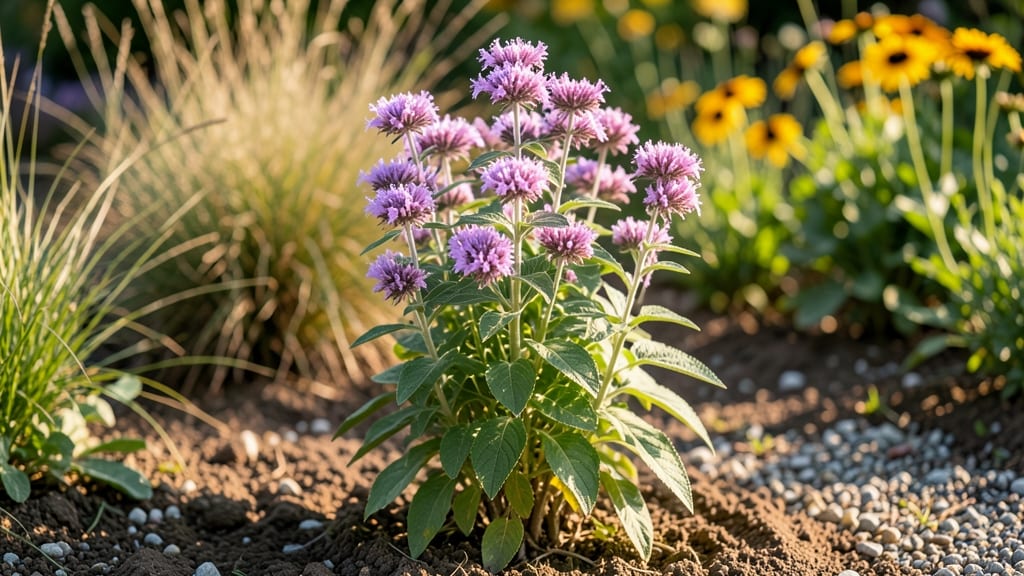
Monarda fistulosa blooms in early to mid-summer 🐝, with timing that shifts dramatically depending on your USDA zone and local climate.
If you’re waiting for the fragrant purple spikes to transform your garden, timing is everything—especially since bloom windows can stretch from late June in cooler zones to as late as September in warmer areas.
Understanding the factors that influence bloom time—like sunlight exposure, soil quality, and pruning habits—can help you coax a longer display of these pollinator magnets.
In this guide, I’ll break down the exact bloom windows by zone, share pro tips to extend the season, and reveal how simple adjustments can turn a short summer show into a month-long spectacle.
Monarda fistulosa bloom time by USDA Zone: exact months and peak duration
Monarda fistulosa, or wild bergamot, is a pollinator powerhouse whose bloom timing shifts dramatically across USDA zones 3–9. In my Zone 5 garden, the lavender spikes arrive in late June, while gardeners in Zone 9 might see them as early as May. Understanding these variations helps you plan for peak fragrance, culinary harvests, and pollinator support.
Climate plays the biggest role in bloom timing. Cooler zones (3–5) experience delayed starts due to slower spring warming, while warmer zones (7–9) often see earlier, longer blooms. Even within a zone, microclimates—like urban heat islands—can shift bloom windows by 2–4 weeks.
For example, my friend in Zone 6 Chicago sees blooms 2 weeks later than her neighbor in Zone 6 Indiana.
Below is a zone-by-zone breakdown of average bloom start dates, peak weeks, and secondary flushes. Use this as your gardening calendar to time deadheading, harvesting, and pollinator-friendly activities.
| USDA Zone | Avg. Bloom Start | Peak Bloom | Secondary Flush | Duration |
|---|---|---|---|---|
| 3–4 | Late June | Mid-July to early Aug | Late Aug–Sept | 8–10 weeks |
| 5–6 | Early June | Late June–July | Early–mid Sept | 10–12 weeks |
| 7–8 | Mid-May | June–early July | Late July–early Sept | 12–14 weeks |
| 9 | Early May | May–June | July–Sept | 14–16 weeks |
Note: Timing varies by 1–2 weeks based on local climate and microclimates.
In Zone 5, where I garden, the primary bloom peaks in late June to early July, but deadheading spent blooms can trigger a secondary flush in September. This extended display is why Monarda fistulosa earns its reputation as a long-blooming pollinator magnet.
In warmer zones (7–9), the plant often blooms continuously from spring to fall, with minimal gaps.
Climate factors like spring rainfall and summer heat can shift bloom times. For example, a dry spring in Zone 6 might delay blooms by 2 weeks, while excessive humidity in Zone 9 can promote earlier but shorter blooms.
To counteract delays, I mulch heavily in spring to retain moisture and water deeply during droughts.
If you’re growing Monarda fistulosa for culinary uses, time your harvests to coincide with peak bloom. The fragrant leaves are best harvested just before flowering, but the flowers themselves reach peak flavor during the first 2 weeks of bloom.
In my garden, that means late June for Zone 5—perfect for tea blends and garnishes.
For pollinator gardens, focus on deadheading spent blooms during peak weeks to encourage continuous flowering. In Zone 7, this means cutting back blooms in early July to prompt the August–September flush. The result? A nonstop buffet for bees and butterflies from May to October.
One common misconception is that Monarda fistulosa blooms only once per season. While cooler zones (3–5) may see just one primary flush, warmer zones (6–9) often experience two distinct blooming periods.
In Zone 8, for instance, the first wave peaks in June, while the second arrives in late August.
To maximize your bee balm’s bloom potential, pair it with companion plants that thrive
How to extend Monarda fistulosa bloom time: pruning, deadheading, and care tips
Want your Monarda fistulosa to burst into fragrant purple blooms for weeks instead of just a few? The secret lies in smart pruning and deadheading techniques tailored to its natural growth cycle.
Unlike its showy cousin M. didyma, bee balm thrives on minimal intervention—but timing matters. Skip these steps, and you’ll watch those spike-like flowers fade faster than a summer sunset.
First, understand that Monarda fistulosa produces its best blooms on new growth. Heavy pruning too early can delay flowering, while waiting too long lets the plant focus on seed production instead of more flowers.
The key is strategic pruning after the first flush of blooms—typically in mid-to-late summer—to trigger a second bloom cycle before frost.
Here’s how to maximize your bee balm’s bloom time with a simple, step-by-step approach:
Finally, avoid over-fertilizing with high-nitrogen feeds, which promote leafy growth at the expense of blooms. Instead, use a balanced 10-10-10 fertilizer in early spring and mid-summer to support flowering.
With these adjustments, your Monarda fistulosa could reward you with continuous blooms from June through September—or even later in warmer climates!
Pro tip: If your plant looks leggy or flops over, it’s time to stake it with bamboo supports or tall garden stakes. This keeps the spike-like blooms upright and visible to pollinators like butterflies and hummingbirds. 🐝