
Shrubs
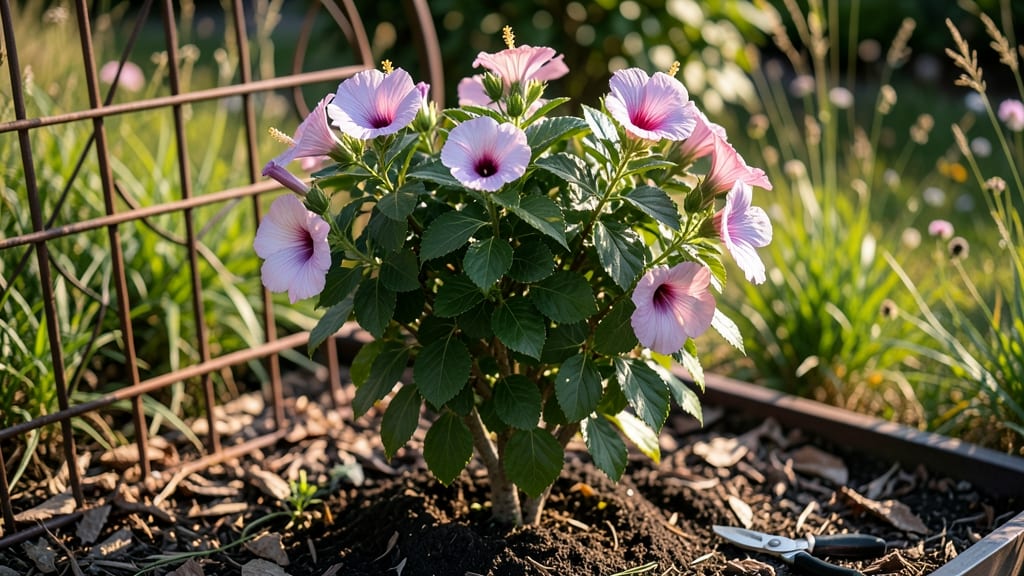
This miniature rose of Sharon brings old-fashioned romance to small spaces with its delicate pink blooms and intoxicating scent. 🌸 I’ve grown them in tight urban yards where full-size shrubs wouldn’t fit, and they thrive—producing fragrant flowers from early summer through fall with minimal fuss.
The secret to happy plants lies in well-draining soil and full sun (at least 6 hours daily). They tolerate drought once established, but young plants need weekly watering during dry spells. Prune lightly after blooming to shape the plant, and watch it reward you with nonstop color for years.
Container growing works beautifully—just choose a pot 12-18 inches wide with drainage. The cascading habit makes them perfect for balconies or small patios, where their sweet, jasmine-like fragrance fills the air. Common challenges? Powdery mildew in humid climates and occasional aphids.
A garlic spray keeps pests at bay, and proper spacing prevents fungal issues. With the right care, this compact climber becomes the star of any garden corner.
📚 In This Guide
- What you need
- Instructions
- Tips and common mistakes
- Wrapping up and next steps
What you need
- ● Miniature Rose of Sharon plant: 1 nursery-grown Hibiscus syriacus 'Mini Pen' (3–4 ft tall at maturity)
- ● Ensure it’s disease-free and well-rooted
- ● Soil: 5 gallons of well-draining garden soil (mix with compost for fertility)
- ○ Optional: Potting mix (if container-growing)
- ● Fertilizer: 1 (5 lb) bag of balanced, slow-release fertilizer (10-10-10 or similar)
- ● OR organic compost (for natural nourishment)
- ● Garden tools: 1 trowel or transplant spade
- ● 1 pair of pruning shears (sterilized)
- ● 1 watering can or hose with a gentle nozzle
- ○ Optional (but helpful): Mulch (straw or shredded bark)
- ● Support structure (small trellis or obelisk for climbing)
- ● pH test kit (to check soil acidity, ideal: 6.1–7.5)
- ● Sunlight: Full sun (6+ hours daily)
- ● Climate: USDA Zones 4–9 (hardy to -30°F)
- ● Space: 3–4 ft wide, 4–5 ft tall (or container with 15+ gallon capacity)
Step-by-Step guide to growing a thriving miniature Rose of Sharon
This compact beauty delivers fragrant blooms year-round—here's how to give it the perfect start.
🪴 Step 1: Select the Right Location and Prepare the Soil
Choose a site with full sun exposure (6-8 hours daily) and well-draining soil. Miniature Rose of Sharon tolerates a range of soil types, but it thrives best in slightly acidic to neutral pH (6.0-7.0). If your soil is heavy clay, amend it with 2-3 inches of compost mixed into the top 12 inches to improve drainage and aeration.
This plant is a compact climber, so select a spot near a trellis, fence, or wall where it can climb and cascade gracefully. The support structure should be sturdy enough to handle the plant's mature weight, which can reach 3-5 feet tall and 2-3 feet wide. Avoid planting in low-lying areas where cold air collects, as this plant is sensitive to frost.
🌱 Step 2: Plant at the Correct Depth and Spacing
Dig a hole that's twice as wide as the root ball but only as deep as the container. This ensures the plant sits at the same depth it was growing in the nursery, preventing stem rot or exposure. Gently remove the plant from its container and loosen any circling roots with your fingers to encourage outward growth.
Place the plant in the hole and backfill with soil, pressing lightly to eliminate air pockets. Space multiple plants 3-4 feet apart to allow for airflow and reduce the risk of fungal diseases. Water deeply right after planting to settle the soil and eliminate air gaps around the roots. You'll know you've done it right when the soil surface looks slightly settled and no large air pockets remain.
💧 Step 3: Establish a Consistent Watering Routine
Water newly planted Miniature Rose of Sharon once every 2-3 days until the soil is 6 inches deep and uniformly moist. This plant is drought-tolerant once established, but young plants need consistent moisture to develop strong roots. Avoid wetting the foliage when watering to prevent fungal diseases like powdery mildew.
After the first month, reduce watering to once a week unless your region experiences extreme heat or drought. Check soil moisture by inserting your finger 2 inches deep—if it feels dry, it's time to water. Overwatering is a common mistake that leads to root rot, so always allow the top inch of soil to dry out between waterings.
☀️ Step 4: Provide Support and Prune for Compact Growth
Install a trellis, fence, or sturdy support structure immediately after planting to give the plant something to climb. Tie the main stems loosely to the support with soft plant ties or strips of fabric to prevent damage as the plant grows. This plant naturally twines, so it doesn’t require aggressive pruning, but you can shape it by trimming back leggy growth in early spring.
Prune lightly after the first blooming cycle to encourage a bushier, more compact form. Remove any dead, diseased, or crossing branches with clean, sharp pruners. Cut just above a leaf node or outward-facing bud to promote new growth. Avoid heavy pruning in the fall, as this can stimulate tender new growth that won’t survive winter.
✂️ Step 5: Fertilize and Mulch for Long-Term Health
Apply a balanced, slow-release fertilizer (10-10-10) in early spring, just as new growth begins. Follow the package instructions for application rates, but generally, ½ cup per plant is sufficient for young plants. Fertilize again in early summer to support the plant’s blooming cycle. Avoid fertilizing in the fall, as this can encourage tender growth that’s vulnerable to frost damage.
Spread a 2-3 inch layer of organic mulch around the base of the plant, keeping it 2 inches away from the stem to prevent rot. Mulch helps retain soil moisture, suppress weeds, and regulate soil temperature. Use materials like shredded bark, pine straw, or composted leaves. Replenish the mulch layer annually to maintain its effectiveness.
Tips & tricks for cultivating a thriving miniature Rose of Sharon
These essential insights will help you avoid common pitfalls and maximize your compact climber's potential for vibrant, fragrant blooms.
Sunlight Strategy: While the 6-8 hours of daily sunlight in Step 1 is ideal, morning sun (before 10 AM) is more beneficial than harsh afternoon rays, which can scorch delicate foliage. If your location receives less than 6 hours of direct sun, supplement with a grow light for 4-6 hours daily during the plant's active growing season (spring to fall). This ensures consistent energy production for blooming.
Soil Preparation Insight: When amending heavy clay soil with 2-3 inches of compost, mix it thoroughly into the top 12 inches to prevent waterlogging. I recommend adding a handful of perlite or coarse sand to further improve drainage—this creates air pockets that prevent root suffocation. Test your soil's pH before planting using a simple kit; if it's outside the 6.0-7.0 range, adjust with sulfur (to lower pH) or lime (to raise pH) before planting.
Planting Depth Caution: The instructions emphasize planting at the same depth as the nursery container, but here's what nobody tells you: If your plant has a thick stem base, bury it slightly deeper (about 1 inch) to provide stability. This prevents wind rock and gives the plant a stronger foundation for its mature 3-5 foot height. Just avoid burying the stem collar (the swollen area where roots meet stem) as this can cause rot.
Watering Wisdom: The 2-3 day watering schedule for new plants might seem frequent, but it's critical during the first month when roots are establishing. Here's my trick: Water in the morning so foliage has all day to dry, reducing fungal risks. Use a moisture meter or stick your finger 2 inches deep—if it's dry, water thoroughly until moisture reaches 6 inches deep. Overwatering is the #1 killer of young plants, so always let the top inch dry between waterings.
Pro Tips for Miniature Rose Of Sharon
- These essential insights will help you avoid common pitfalls and maximize your compact climber's potential for vibrant, fragrant blooms.
- Sunlight Strategy: While the 6-8 hours of daily sunlight in Step 1 is ideal, morning sun (before 10 AM) is more beneficial than harsh afternoon rays, which can scorch delicate foliage.
- Soil Preparation Insight: When amending heavy clay soil with 2-3 inches of compost, mix it thoroughly into the top 12 inches to prevent waterlogging.
Frequently asked questions
Got questions about growing and caring for miniature Rose of Sharon? You’re not alone—this compact climber has its own quirks! Here are answers to the most common queries to help you nurture your plant with confidence.
How fast does a miniature Rose of Sharon grow?
A miniature Rose of Sharon typically grows 6–12 inches per year, making it one of the slower-growing varieties. With proper care, it can reach 3–6 feet tall in 3–5 years. Prune lightly after flowering to encourage bushier growth and prevent legginess.
When is the best time to plant or transplant?
Plant your miniature Rose of Sharon in early spring or fall when temperatures are mild (50–70°F). Avoid transplanting in extreme heat or cold—roots need time to establish before stress hits. Water thoroughly after planting to settle the soil.
Can I grow this in containers? If so, what size pot do I need?
Miniature Rose of Sharon thrives in containers with at least 15–20 gallons of space (a 20-inch pot works well). Use well-draining soil and ensure the pot has drainage holes. Repot every 2–3 years to refresh nutrients and prevent root bound.
What pests or diseases should I watch for?
Keep an eye out for aphids, spider mites, and Japanese beetles, which love tender new growth. For diseases, powdery mildew can appear in humid conditions—improve airflow and avoid overhead watering. Neem oil or insecticidal soap can treat mild infestations.
How cold-hardy is this shrub, and does it need winter protection?
Miniature Rose of Sharon is USDA Zones 5–9 hardy, meaning it survives winters down to -20°F. In colder zones, mulch the base with 3–4 inches of wood chips to insulate roots. Young plants may benefit from a burlap wrap for extra protection.
Wrapping up and next steps
The miniature Rose of Sharon is a stunning, low-maintenance shrub that brings year-round fragrance and beauty to any garden—without taking up much space! 🌸 Its compact size and vibrant blooms make it perfect for small yards, containers, or even urban landscapes.
Whether you're a seasoned gardener or just starting, this versatile plant is a fantastic choice for adding color and charm.
Ready to grow your own? Start by choosing the right variety and location, then follow the care tips shared here. With a little patience, you’ll soon be enjoying its delicate blooms and intoxicating scent—nature’s way of saying, "You’ve done great!" 🌿