
Flowers
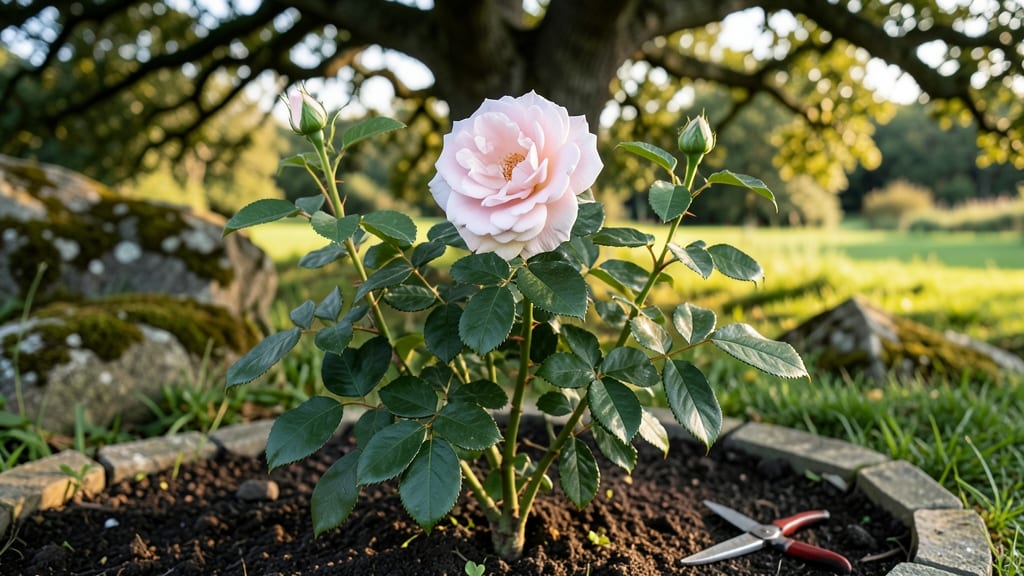
The beautiful roses flower in your garden should burst with fragrance all year—not just in summer—so I’ve crafted rose gardens where every season sparkles with color and romance. 🌹 The secret isn’t just the roses; it’s how you pair them with companion plants, hardscaping, and color schemes that make them shine all year.
Start with a moisture-retentive soil mix and prune strategically to encourage blooms from spring through frost. My favorite layouts weave roses through perennials like lavender and peonies, while arched trellises draped in climbers add vertical drama.
For fragrance, mix old-fashioned varieties like 'Mme. Alfred Carriere' with modern hybrids for a scent that lingers even in cooler months.
Imagine a cottage-style border where roses spill over stone walls, their petals brushing against catmint and Russian sage. Or a sleek, modern design with roses pruned as standards, their blooms backlit by evening sunlight.
The key is layering textures—glossy foliage, velvety blooms, and the crisp snap of ornamental grasses—to create a garden that feels alive in every season.
Whether you’re going for a whimsical English garden or a structured modern look, roses adapt beautifully. Add climbing roses to pergolas, repeat colors in pots, or let them mingle with hydrangeas for a lush, romantic feel.
The best part? With the right companions, your roses will keep flowering—and smelling amazing—long after summer fades.
📚 In This Guide
- What you need
- Instructions
- Tips and common mistakes
- Wrapping up and next steps
What you need
- ● Rose Bushes: Choose disease-resistant varieties (e.g., Knock Out®, David Austin English Roses, or Hybrid Teas). Quantity: 3–5 plants for a small garden, 10+ for a full border.
- ● High-Quality Soil: Well-draining potting mix (for containers) or native soil amended with compost (for in-ground planting).
- ○ Optional: Rose-specific fertilizer (e.g., Espoma Rose-Tone) for nutrient boost.
- ● Sunlight: A spot with 6+ hours of direct sunlight daily (morning sun is ideal).
- ● Watering Supplies: Drip irrigation system or soaker hose (recommended for deep, consistent watering).
- ○ Optional: Rainwater collection barrel to reduce waste.
- ● Pruning Tools: Sharp bypass pruners (for clean cuts).
- ● Loppers (for thicker stems).
- ○ Optional: Disinfectant spray (70% isopropyl alcohol) to sterilize tools between cuts.
- ● Mulch: Organic mulch (e.g., wood chips or straw) to retain moisture and suppress weeds. Depth: 2–3 inches.
- ● Patience: Roses thrive with consistent care—expect blooms in 6–12 months for new plants.
- ● Knowledge: Research your USDA Hardiness Zone (e.g., Zones 5–10 for most roses) and local pests/diseases.
- ● Time Commitment: Plan for weekly watering, monthly feeding, and seasonal pruning.
- ○ Optional: Trellis or Arbor: For climbing roses (e.g., Blaze®), install a sturdy support structure before planting.
How to coax stunning roses into continuous bloom
Here's the method I've perfected over seasons to keep roses blooming lushly through summer and beyond.
🌱 Step 1: Prune for Structure and Airflow
Start in late winter when roses are dormant. Remove any dead, diseased, or crossing branches first—they rob energy from new growth. I look for canes thicker than a pencil that grow at natural angles; these are your keepers. Cut just above an outward-facing bud, using clean, sharp shears to avoid tearing bark.
Open the center of the bush by removing about a third of the oldest canes at ground level. This forces new shoots to emerge from the base, creating a fuller plant. After pruning, spray cuts with diluted copper fungicide to prevent infection. You'll see fresh, green buds forming within weeks—that's your signal the plant's waking up.
☀️ Step 2: Feed with Precision Timing
Apply a balanced 10-10-10 fertilizer when you see the first flush of new leaves in spring. I use ½ cup per plant spread evenly around the root zone, then water deeply to help nutrients penetrate. Follow this with a low-nitrogen, high-phosphorus fertilizer (like 5-10-5) when buds form to encourage blooming.
Mulch with 2-3 inches of organic matter like composted leaves or shredded bark to retain moisture and regulate soil temperature. Avoid piling mulch against the stem—this can cause rot. The key is consistency: feed every 6-8 weeks through summer, then taper off in fall to let roses harden for winter.
💧 Step 3: Master Watering for Continuous Bloom
Water deeply 1-2 times per week, aiming for 1-1.5 inches of moisture per session. I check by pushing a screwdriver into the soil—if it resists at 2 inches deep, water again. Early morning is best to reduce fungal risks. Avoid overhead sprinkling during blooming season; instead, use drip irrigation or soaker hoses to keep petals dry.
Watch for wilting leaves—this often means roots need more moisture, not the plant itself. Roses are thirsty when buds form and during hot spells. A simple trick: if the soil feels dry to touch at 3 inches down, it's time to water. Overwatering is worse than underwatering—roots need oxygen too.
✂️ Step 4: Deadhead and Encourage Reblooming
Snip off spent blooms just above the first set of five leaves below the bloom. This redirects the plant's energy to producing new flowers instead of seed pods. I use clean shears and make cuts at a 45-degree angle to prevent water from pooling on the stem. For hybrid teas, I leave 1-2 buds per stem to maintain shape.
After deadheading, give the plant a light feeding with a high-potassium fertilizer to support the next flush of blooms. You'll notice new buds forming at the base of the stem within 2-3 weeks. Repeat this process every 1-2 weeks during the growing season to keep roses in continuous bloom.
🌿 Step 5: Protect and Prepare for Seasonal Changes
As summer winds down, reduce watering slightly and stop fertilizing after mid-August. This helps roses harden off for winter. Prune lightly in fall to remove any remaining dead growth, but leave most canes intact—they provide insulation for the crown. Mulch heavily with 4-6 inches of organic material to protect roots from freezing temperatures.
In late winter, before new growth starts, apply a 2-inch layer of compost around the base. This replenishes nutrients and improves soil structure. The goal is to give roses a strong start each season so they can reward you with months of continuous bloom. Patience here pays off—healthy roses often outperform younger ones by their second year.
Tips & tricks for perfect rose care
These garden-tested secrets will help you transform your roses into vibrant, fragrant showstoppers that bloom continuously.
Pruning Precision: When pruning in Step 1, make your cuts just above an outward-facing bud at a slight angle—this creates a natural water runoff path that prevents disease. I always use clean, sharp shears to avoid crushing stems, which can introduce bacteria. For hybrid teas, aim to leave about 5-7 buds per stem to maintain that classic shape while encouraging new growth.
Fertilizer Timing: The 6-8 week feeding schedule in Step 2 is crucial, but don't rush it. Wait until you see that first flush of fresh green leaves before applying your 10-10-10 fertilizer—this ensures the plant is actively growing and can utilize the nutrients. For the high-phosphorus fertilizer when buds form, I find that a slow-release granular works best to provide steady nutrition without burning the plant.
Watering Wisdom: That 1-2 inches of moisture per week in Step 3 might seem like a lot, but roses are thirsty plants—especially when buds form. I've learned the hard way that underwatering causes buds to drop before opening. The screwdriver test is foolproof: if it resists at 2 inches, your roses are getting enough. For container roses, you might need to water daily during hot spells since they dry out faster.
Deadheading Technique: In Step 4, when you're deadheading, make sure to cut at that 45-degree angle just above the first set of five leaves. This little detail prevents water from pooling on the stem, which can lead to rot. I always clean my shears with rubbing alcohol between cuts to prevent spreading any potential diseases from one bloom to another.
Pro Tips for Beautiful Roses Flower
- These garden-tested secrets will help you transform your roses into vibrant, fragrant showstoppers that bloom continuously.
- Pruning Precision: When pruning in Step 1, make your cuts just above an outward-facing bud at a slight angle—this creates a natural water runoff path that prevents disease.
- Fertilizer Timing: The 6-8 week feeding schedule in Step 2 is crucial, but don't rush it.
Frequently asked questions
Got questions about growing, caring for, or enjoying beautiful roses? You’re not alone—these timeless blooms spark curiosity! Here are answers to the most common queries to help you cultivate (or admire) roses like a pro.
How do I keep my roses blooming all season long?
To encourage year-round fragrance and blooms, prune roses in early spring and late summer to remove dead or overcrowded stems. Deadhead spent blooms regularly, fertilize every 4-6 weeks with a balanced rose food, and water deeply at the base (not the leaves) to avoid fungal issues. Pro tip: Mulch with organic matter to retain moisture and nutrients!
When is the best time to plant roses for maximum beauty?
The ideal time to plant roses is in early spring (after the last frost) or fall (4-6 weeks before the first frost). This gives roots time to establish before extreme temperatures. Avoid planting in summer heat or winter cold, as stress can stunt growth. Choose a spot with 6+ hours of sunlight for vibrant blooms!
Can I grow roses in containers, or do they need a garden bed?
Many rose varieties thrive in containers, including miniature roses, floribundas, and climbers. Use a pot at least 12-18 inches deep with drainage holes, and fill it with high-quality potting mix. Dwarf or patio roses are perfect for small spaces. Just ensure the container gets enough sunlight and water—containers dry out faster than garden beds!
What should I do if my roses get pests or diseases?
Common rose pests like aphids, spider mites, or Japanese beetles can be deterred with neem oil or insecticidal soap. For fungal diseases (e.g., black spot or powdery mildew), prune affected leaves, improve air circulation, and apply a fungicide. Prevention is key: water in the morning, avoid overhead sprinkling, and choose disease-resistant varieties like 'Knock Out' or 'Dr. Huey' roses.
How can I make my roses smell even more fragrant?
Fragrance peaks in the early morning when temperatures are cool. To enhance scent, plant roses near a south-facing wall (for warmth) or pair them with complementary plants like lavender or jasmine. Avoid heavy fertilizers with high nitrogen—they boost foliage over flowers. Instead, use a low-nitrogen, phosphorus-rich fertilizer to encourage blooms and fragrance!
Bonus Tip: Why do my roses have fewer blooms than expected?
Check these common culprits:
- Over-pruning: Cut back too much in late winter? Roses need some stems to produce blooms.
- Poor nutrition: Yellow leaves? Add iron or a balanced fertilizer.
- Stress: Underwatering, overwatering, or extreme heat can shock plants.
- Variety traits: Some roses (like hybrid teas) bloom once per season, while others (like floribundas) rebloom.
Adjust care based on your rose’s specific needs!
Wrapping up and next steps
From their timeless beauty to their intoxicating fragrances, beautiful roses truly embody elegance in every season. Whether you’re cultivating them in your garden or simply admiring their grace, these flowers bring joy, color, and a touch of nature’s magic to any space. 🌹✨
Ready to bring more of this charm into your life? Start by planting a rose bush in your garden or gifting a bouquet to someone special—because beauty, like roses, is meant to be shared. Happy gardening!