
Shrubs
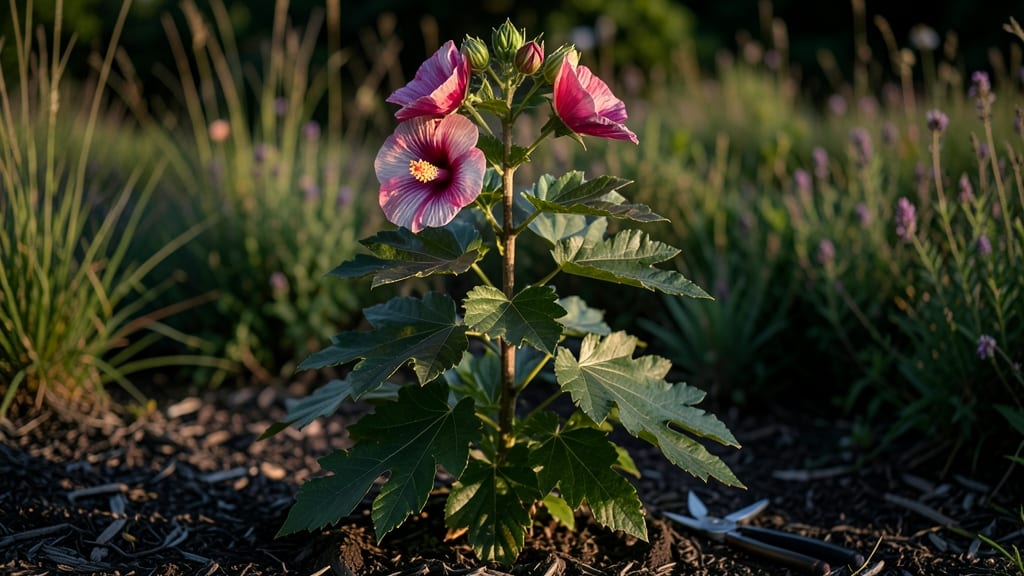
Rose mallow care starts with understanding its love for sun and moisture—these fragrant climbers reward patience with 6-foot-tall blooms that last from summer through fall. 🌸 I learned the hard way that skimping on water or planting in too much shade turns their potential into a sad, leggy mess.
The secret? Mimic their swampy native habitat with rich, well-draining soil and consistent moisture, especially during their first growing season. These hibiscus thrive in full sun (at least 6-8 hours daily) and moist but not soggy soil, making them perfect for rain gardens or areas with natural water flow.
Pruning isn’t just about shaping—it’s about encouraging that second flush of blooms. Cut back dead stems in early spring and lightly trim after each flowering cycle to keep them bushy and productive.
The flowers themselves are stunning, with petals that can reach 8 inches wide, but their scent is what truly sets them apart. What you’ll love most is how disease-resistant they are when given the right conditions. Unlike many hibiscus, rose mallows handle humidity well and rarely suffer from pests.
The trade-off? They need space—plant them 5-6 feet apart to give their roots room to spread. For colder climates, mulch heavily in fall to protect the roots from freeze-thaw cycles that can damage them.
Here’s the best part: with proper care, these plants rebloom reliably year after year, turning your garden into a fragrant, show-stopping display. Whether you’re growing them as standalone shrubs or letting them climb trellises, the payoff is worth the effort. Let’s get those roots settled in the right spot!
📚 In This Guide
- What you need
- Instructions
- Tips and common mistakes
- Wrapping up and next steps
What you need
- ● Rose mallow plants: 1–3 nursery-grown plants (choose disease-resistant varieties like 'Southern Belle' or 'Lord Baltimore').
- ● Well-draining soil: 5–10 bags of garden loam or peat-based potting mix (amend with compost for fertility).
- ● Organic mulch: 2–3 cubic feet of pine straw or wood chips (retains moisture and regulates soil temp).
- ● Fertilizer: 1 bag of balanced, slow-release fertilizer (10-10-10 or 5-10-5) for planting + 1 bag of rose/hibiscus-specific fertilizer for blooms.
- ● Watering supplies: Garden hose with adjustable nozzle or drip irrigation system (10–15 ft of tubing if needed).
- ● Garden trowel (for planting and soil prep).
- ● Pruning shears (sterilized, sharp blades for deadheading and shaping).
- ● Gloves (heavy-duty, long-sleeved for thorny stems).
- ● Stakes or trellis (3–5 ft tall, if growing as a climber).
- ○ pH testing kit (optional but helpful—rose mallows prefer slightly acidic to neutral soil (6.0–7.0)).
- ● Epsom salt (1 lb for magnesium boost, especially in clay soils).
- ● Compost tea (1 gallon for foliar feeding during bloom season).
- ● Pest control: Neem oil spray or insecticidal soap (for aphids/whiteflies).
- ● Shade cloth (if planting in hot climates, 30–50% coverage for young plants).
Step-by-Step rose mallow care for continuous blooms
Here's how to keep your fragrant climbers thriving and flowering all season long.
🌱 Step 1: Plant in Well-Draining Soil with Full Sun
Choose a location with 6-8 hours of direct sunlight daily—rose mallows need this to produce their signature blooms. The soil must drain exceptionally well; these plants hate soggy roots. Amend heavy clay with 2-3 inches of compost and a handful of sand to improve drainage. I always dig a hole twice as wide as the root ball to encourage outward root growth.
Plant in early spring or fall when temperatures are mild. The reason? Hot summer planting stresses the roots before they establish. Water deeply right after planting to settle the soil around the roots, then let the top inch dry out before watering again. This prevents root rot while encouraging deep root development.
☀️ Step 2: Water Deeply but Infrequently
Once established, rose mallows are surprisingly drought-tolerant. Water when the top 2-3 inches of soil feel completely dry—stick your finger in to check. Deep watering once a week (more in extreme heat) is better than frequent shallow watering, which encourages weak roots. I use a soaker hose to deliver water slowly at the base, avoiding the leaves to prevent fungal issues.
Here's the thing—overwatering is the #1 killer of rose mallows. The plant's thick stems store water, so they prefer dry spells between waterings. If leaves start yellowing, it's usually a sign of too much moisture, not too little. Mulch with 2-3 inches of organic mulch to retain soil moisture and regulate temperature.
✂️ Step 3: Prune for Shape and Encourage More Blooms
Prune in late winter or early spring before new growth starts. Remove any dead, diseased, or crossing branches first. Then cut back the remaining stems by about one-third to encourage bushier growth. I always make cuts just above a leaf node or outward-facing bud—this ensures new growth emerges in the right direction.
Throughout the growing season, deadhead spent blooms regularly. This might seem counterintuitive since you want continuous flowers, but removing faded blooms redirects the plant's energy into producing new ones. Watch for leggy growth—if stems start stretching too tall, it's a sign they need more light or a light pruning to encourage branching.
🌿 Step 4: Feed and Protect for Year-Round Blooms
Apply a balanced, slow-release fertilizer in early spring, following package instructions. Rose mallows don't need heavy feeding, but a light application in spring and again in midsummer keeps them blooming. I prefer organic options like compost or fish emulsion because they improve soil health without burning the plants.
Protect young plants from strong winds, which can damage their delicate stems. Mature rose mallows are more resilient, but a sturdy trellis or fence helps support their climbing habit. In colder climates, mulch heavily around the base before winter to protect roots from freezing. Here's what I've learned: the more you support their natural growth habits, the more they'll reward you with continuous, fragrant blooms.
Tips & tricks for perfect rose mallow growth
Took me years of trial and error to figure out these game-changing secrets for keeping your fragrant climbers blooming continuously.
Sunlight Strategy: Those 6-8 hours of sunlight are non-negotiable for continuous blooms. I've seen rose mallows struggle in partial shade—even just 2 hours less sunlight can reduce flowering by 50%. If your garden has afternoon shade, position your plant to catch morning sun instead. The key is consistent light exposure throughout the day.
Root Development Hack: When planting, don't just dig a hole the size of the root ball—double its width! This encourages roots to spread outward rather than staying compact. I've found plants with wider root systems establish faster and handle drought better. The extra space also prevents water pooling around the base, which is crucial for preventing root rot.
Watering Wisdom: The "top 2-3 inches dry" rule works, but here's what nobody tells you—check soil moisture in the morning before watering. Evening watering can lead to fungal issues, especially in humid climates. I water early in the day so leaves have time to dry completely. And always water at the base, never overhead, to protect those delicate blooms from mildew.
Pruning Precision: That one-third pruning cut in Step 3 is your secret weapon for bushier growth. Always cut just above a leaf node or outward-facing bud—this isn't just random cutting. I use sharp pruners and make clean cuts at a 45-degree angle to prevent water from pooling on the cut surface. This simple technique can double your bloom production in a season.
Pro Tips for Rose Mallow Care
- Took me years of trial and error to figure out these game-changing secrets for keeping your fragrant climbers blooming continuously.
- Sunlight Strategy: Those 6-8 hours of sunlight are non-negotiable for continuous blooms.
- Root Development Hack: When planting, don't just dig a hole the size of the root ball—double its width!
Frequently asked questions
about rose mallow care—because even the toughest gardeners need a little guidance! Here are answers to the most common questions to keep your fragrant climber thriving.How often should I water my rose mallow?
Water deeply once or twice a week, depending on your climate. Rose mallows are drought-tolerant once established, but young plants need consistent moisture. Aim for 1-2 inches of water per week—more in extreme heat or sandy soil. Let the top 2-3 inches of soil dry out between waterings to prevent root rot.
When is the best time to prune rose mallows?
Prune in late winter or early spring (before new growth starts) to shape the plant and remove dead or weak stems. You can also do a light trim after flowering to encourage bushier growth. Avoid heavy pruning in fall—it can stimulate tender new growth that may not survive winter.
Can rose mallows grow in containers?
Yes! Choose a large container (at least 15-20 gallons) with drainage holes and use well-draining potting mix. Place in full sun and water regularly. Container-grown rose mallows may need more frequent watering and winter protection (like moving indoors or wrapping the pot). Dwarf varieties like Hibiscus moscheutos 'Luna Rose' work especially well.
What pests commonly attack rose mallows, and how do I treat them?
Watch for aphids, spider mites, or whiteflies, which thrive in hot, dry conditions. Blast off pests with a strong spray of water or use neem oil for organic control. For severe infestations, insecticidal soap works too. Healthy plants with good airflow resist pests better—so prune regularly and avoid overcrowding!
Why aren’t my rose mallows blooming?
Blooming depends on sunlight, nutrients, and pruning. Ensure your plant gets 6+ hours of full sun daily and fertilize in spring with a balanced, bloom-boosting formula (like 10-10-10). Deadhead spent blooms to encourage more flowers. If established for 2+ years with no blooms, check for root-bound conditions or nutrient deficiencies.
Wrapping up and next steps
With the right care, your rose mallow can thrive year-round, gracing your garden with stunning blooms and fragrant climbers! 🌸 Remember, these beauties love sunshine, well-draining soil, and occasional pruning—plus a little patience to watch them flourish.
Whether you're a seasoned gardener or just starting, your efforts will pay off in vibrant, low-maintenance color.
Ready to transform your space? Grab your gardening gloves and start planting—your rose mallow’s dream garden awaits! 🌱 Next, explore our guide to companion plants for even more blooms!