
Planting
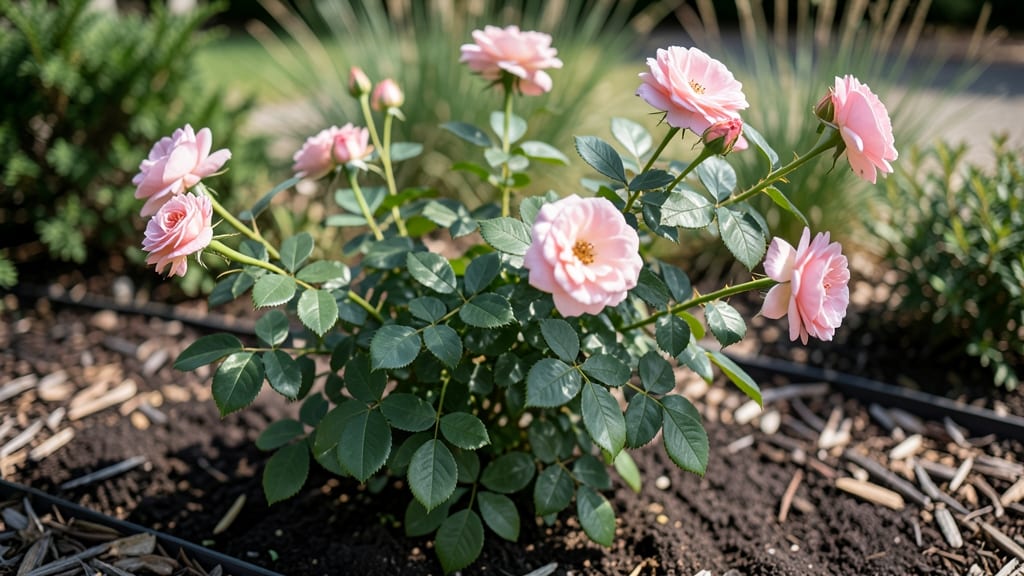
The memory rose plant climbing through your garden is nothing short of magical—its velvety blooms and intoxicating fragrance make it worth every bit of care. 🌹 I’ve grown these fragrant vines for years, and they’ve taught me that patience and deadheading are the secrets to their year-round beauty.
The key isn’t just planting; it’s creating the perfect balance of sunlight, soil, and pruning to keep them thriving.
Memory roses thrive in full sun to partial shade, with well-draining soil that’s rich in organic matter. They’re climbers, so give them a sturdy trellis, fence, or arbor to twine through—just like they do in old English gardens.
Water deeply but let the top inch of soil dry between waterings, and you’ll avoid the most common pitfall: root rot. Prune spent blooms regularly to encourage more flowers, and you’ll have a vine covered in blossoms from spring through fall.
What makes these roses special is their fragrant, repeat-blooming nature—unlike many roses that need winter dormancy. With the right care, you’ll enjoy their intoxicating scent all season long, and even through mild winters in warmer climates.
The secret to keeping them productive? Deadheading (removing faded blooms) and a light pruning in early spring to shape their growth.
They’re not without challenges—aphids and black spot can be issues, but a quick spray of neem oil or fungicide keeps them at bay. For experienced gardeners, try propagating cuttings in late summer for new plants.
Whether you’re a beginner or a seasoned rose lover, these vines will reward you with years of fragrant beauty—if you give them the right conditions.
📚 In This Guide
- What you need
- Instructions
- Tips and common mistakes
- Wrapping up and next steps
What you need
- ● Memory Rose Plant: 1 healthy, disease-free bare-root or potted plant (choose a variety like 'Memory' or 'Knock Out' roses for year-round blooms).
- ● Well-draining soil: 3–5 gallons of a mix of 50% garden soil, 30% compost, and 20% perlite/sand to prevent root rot.
- ● Fertilizer: 1–2 cups of balanced rose fertilizer (10-10-10 or 5-10-5 NPK ratio).
- ○ Optional: Slow-release granules (like Osmocote) for steady nutrition.
- ● Mulch: 2–3 inches of wood chips or shredded bark to retain moisture and regulate soil temperature.
- ● Garden trowel or shovel for planting.
- ● Pruning shears (sterilized with rubbing alcohol) for trimming and deadheading.
- ● Gloves (gardening or rose-specific to protect from thorns).
- ● Watering can or hose with a gentle spray nozzle.
- ● Stakes or trellis (if growing climbing varieties, 3–5 ft tall).
- ○ pH tester kit (optional but helpful—roses thrive in 6.0–6.5 pH).
- ● Sunlight: A full-sun location (6+ hours of direct sunlight daily).
- ● Space: At least 3–4 feet of clearance around the plant for airflow (critical to prevent disease).
- ● Water access: Regular watering (1–2 inches per week, more in extreme heat).
Step-by-step instructions for growing and maintaining memory roses
Here's how I keep my fragrant memory roses blooming nonstop—no fancy tricks, just consistent care.
🌱 Step 1: Select the Right Location and Prepare the Soil
Memory roses thrive in full sun—at least 6-8 hours daily—so choose a spot with southern or western exposure. I always test the soil first because these roses hate soggy roots but also need good drainage. Amend heavy clay with 3-4 inches of compost and mix in a handful of perlite to keep moisture balanced.
Dig a hole twice as wide as the root ball but no deeper—planting too deep suffocates the graft union. Loosen the roots gently if they're circling, then place the plant so the graft union sits 1-2 inches above soil level. This prevents disease and encourages strong growth.
☀️ Step 2: Water Deeply and Mulch to Retain Moisture
Water immediately after planting to settle the soil, then deeply once a week—enough so water reaches 12-18 inches down. Memory roses are drought-tolerant once established, but they need consistent moisture to support their heavy blooms. I check by sticking my finger 2 inches into the soil; if it's dry, it's time to water.
Spread 2-3 inches of mulch (like wood chips or straw) around the base, keeping it 3 inches away from the stem to prevent rot. Mulch locks in moisture and keeps roots cool, which is especially important in hot climates. Replenish mulch every spring to maintain its insulating effect.
✂️ Step 3: Deadhead Regularly to Encourage Nonstop Blooms
This is the secret to year-round flowers—deadhead every 2-3 days during peak bloom. Use clean pruners to snip spent blooms just above a set of healthy leaves (usually where you see a small leaf cluster). I always sterilize my pruners with rubbing alcohol between cuts to prevent disease.
For extra-long blooms, I also prune leggy stems in early spring, cutting back to just above an outward-facing bud. This opens up the plant for better airflow and sunlight penetration. Avoid heavy pruning in fall—memory roses bloom on old wood, so you want to preserve last year's growth.
🌿 Step 4: Fertilize and Protect for Year-Round Health
Feed every 4-6 weeks during growing season with a balanced rose fertilizer (like 10-10-10) mixed at half strength. I switch to a low-nitrogen formula in late summer to encourage blooms over foliage. Water deeply before fertilizing to prevent root burn—always follow the package instructions for application rates.
Watch for pests like aphids or spider mites, which love the tender new growth. I spray with neem oil at the first sign of trouble—it's organic, safe, and works fast. In colder climates, wrap young plants in burlap before the first frost to protect them through winter. Memory roses are surprisingly hardy, but a little extra care goes a long way.
⏰ Step 5: Prune for Shape and Winter Prep
In late winter (before new growth starts), give your memory rose a light shaping prune. Remove any dead, crossing, or weak branches first, then cut back remaining stems by one-third to encourage bushier growth. Always make cuts at a 45-degree angle just above an outward-facing bud.
After pruning, apply a 2-inch layer of mulch around the base to insulate roots. In colder zones, I also wrap the canes loosely with burlap to shield them from harsh winds. Come spring, remove the burlap as soon as buds swell—too much warmth too soon can encourage pests.
Tips & tricks for perfect memory rose plant care
Here's what nobody tells you about keeping these fragrant beauties blooming all season long.
Sunlight Secret: That 6-8 hours of full sun is non-negotiable, but morning sun with afternoon shade works best in hot climates. I planted mine where they get eastern sun exposure—this prevents scorching while still giving them plenty of light. Watch for yellowing leaves if they're not getting enough sun; that's your plant's way of saying "move me closer to the light!"
The Soil Test You Shouldn't Skip: Before planting, do the squeeze test—grab a handful of moist soil and squeeze it. If it holds its shape like a rock, you need more perlite or sand. If it crumbles like sand, add some compost. Memory roses hate soggy feet but also need good moisture retention. I always mix in that handful of perlite right into the planting hole—it makes all the difference for drainage.
Deadheading Discipline: Those 2-3 day deadheading sessions might seem tedious, but here's the thing: I've seen roses wither within days of skipping this step. The key is to cut just above a leaf cluster where you see five leaflets—this signals the plant to produce new blooms. I keep a small bottle of rubbing alcohol with my pruners and wipe them after every cut to prevent spreading disease between stems.
Fertilizer Timing: That 4-6 week feeding schedule is crucial, but don't fertilize when the soil is dry. Always water deeply first to prevent root burn. I switch to my low-nitrogen fertilizer in late summer because I want blooms, not leaves. Pro tip: Mix your fertilizer with water first, then water your rose with that solution—it ensures even distribution and prevents salt buildup around the roots.
Pro Tips for Memory Rose Plant
- Here's what nobody tells you about keeping these fragrant beauties blooming all season long.
- Sunlight Secret: That 6-8 hours of full sun is non-negotiable, but morning sun with afternoon shade works best in hot climates.
- The Soil Test You Shouldn't Skip: Before planting, do the squeeze test—grab a handful of moist soil and squeeze it.
Frequently asked questions
How often should I deadhead my memory rose plant to encourage year-round blooms?
Deadhead your memory rose every 1-2 weeks during peak blooming seasons (spring to fall). Snip spent blooms just above a set of leaves or node to redirect energy into new growth. In winter, reduce deadheading to once a month unless you’re in a frost-free zone—consistent blooms are still possible with minimal pruning!
Why aren’t my memory rose vines flowering as much as they should?
Lack of blooms often signals over-fertilizing with high-nitrogen feeds (which promotes leaves over flowers) or insufficient sunlight (6+ hours of direct light is ideal). Try switching to a balanced 10-10-10 fertilizer in spring/summer and prune leggy stems to encourage bushier, flower-heavy growth. Yellowing leaves? Check for underwatering or root rot!
Can memory rose plants survive winter outdoors, or do they need to be brought inside?
Memory roses are tender perennials—they’ll die back in frost but bounce back in spring. In USDA Zones 9-11, mulch heavily and protect with burlap. For colder climates (Zones 7-8), dig up containers or cut back vines, store in a cool (40–50°F), dark spot, and resume care in early spring. Pro tip: Prune back by ⅓ before winter to prevent disease.
Are there any low-maintenance alternatives to memory rose plants with similar fragrance?
Yes! Try these fragrant, easy-care vines:
- Jasmine (Trachelospermum jasminoides): Thrives in shade, drought-tolerant, and blooms white/pink flowers with intoxicating scent.
- Clematis (Clematis spp.): Offers hundreds of varieties with varying bloom times—pair with morning sun for best results.
- Star Jasmine (Trachelospermum asiaticum): Evergreen, heat-loving, and highly fragrant at night.
What pests should I watch for on memory rose plants, and how do I treat them?
Watch for aphids, spider mites, and whiteflies—they love tender new growth. For mild infestations, spray with soapy water (1 tsp mild dish soap per quart of water). Severe cases? Use neem oil (reapply every 7–10 days) or introduce ladybugs. Prevent pests by keeping plants well-pruned and avoiding overhead watering.
Wrapping up and next steps
The Memory Rose plant is a fragrant, low-maintenance beauty that rewards gardeners with stunning blooms and sweet scents—year-round—when you master the art of deadheading. Whether you’re a seasoned gardener or just starting, this plant proves that growing vibrant, long-lasting flowers is simpler than you think.
With the right tools, a little patience, and the tips shared here, you’ll soon enjoy a thriving vine that brings joy and elegance to your space.
Ready to transform your garden? Start by grabbing your pruners and giving your Memory Rose the care it deserves—your next step could be as easy as a quick trim and a splash of love. 🌸✨