
Pests and Diseases
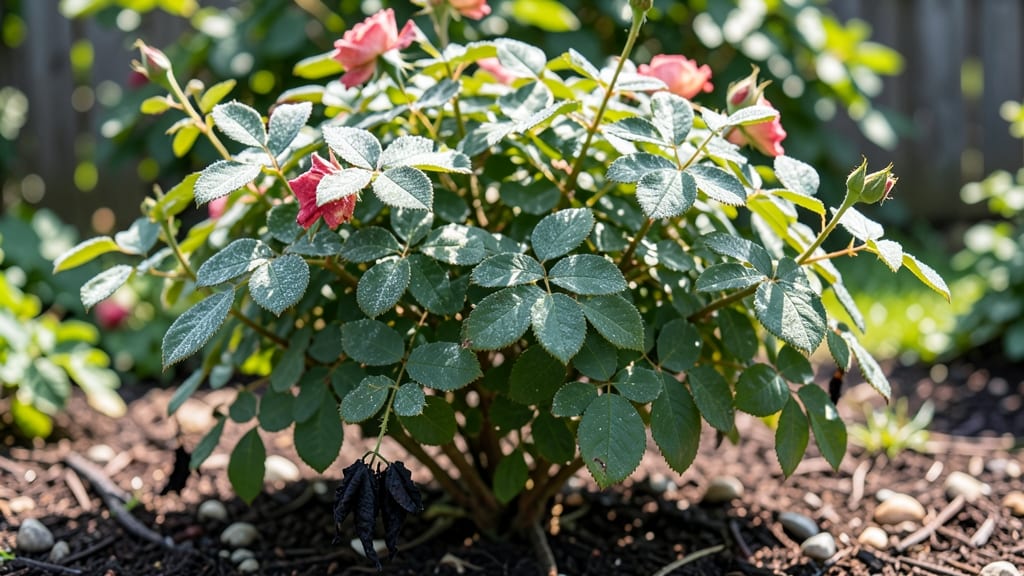
That mysterious knockout rose bush disease—like black spots or white powder—could be a fungal infection lurking on your roses, spreading faster than you think. 🌿 I've battled black spot and powdery mildew on my Knockout roses, and... the key to saving them is catching the problem early—before the leaves start falling like autumn snow.
The first step is identifying the disease by its symptoms: black spots with yellow halos for black spot, or chalky white patches for powdery mildew. Both thrive in humid conditions, so proper spacing and air circulation are your first line of defense.
Prune out infected leaves immediately and avoid overhead watering, which turns foliage into a fungal buffet.
📚 In This Guide
- What you need
- Instructions
- Tips and common mistakes
- Wrapping up and next steps
What you need
- ● Pruning shears or loppers – Sharp, sterilized (1 pair, 10-12" blades for thick stems)
- ● Disposable gloves – Nitrile or rubber (2 pairs for hygiene)
- ● Garden spray bottle – 8-16 oz, with fine mist nozzle (1)
- ● Fungicide – Copper-based or systemic (e.g., Myclobutanil) (1 quart)
- ● Hydrogen peroxide (3%) – For cleaning tools (1 small bottle)
- ● Plastic bags or paper towels – For collecting diseased leaves (1 roll or 5-10 sheets)
- ○ Handheld magnifying glass – Optional but helpful for close inspection (1)
- ● Field guide or app – For identifying symptoms (e.g., PlantVillage app)
- ● Camera or phone – To document symptoms up close
- ● Ruler or measuring tape – To track lesion sizes (1, 6-12")
- ● Mulch – Organic (e.g., wood chips) to improve drainage (5-10 gallons)
- ● Compost bin – For disposing of infected plant debris
- ● Soil test kit – To check pH/nutrient levels (1 kit)
How to diagnose and treat knockout rose bush diseases
Here's how I identify and tackle the most common issues—before they ruin your roses.
🌿 Step 1: Inspect for Common Symptoms
Start by examining your rose bush from top to bottom. Look for black spots on leaves (a classic sign of black spot fungus) or yellowing leaves that curl at the edges—this often signals powdery mildew. Check stems for dark, oozing cankers or swollen, cracked growths, which point to bacterial infections.
Don't overlook the roots. Gently scrape away soil around the base to spot mushy, brown roots (root rot) or white, cottony growths (indicating fungal root infections). I always check after heavy rains—moisture stress reveals hidden problems. If you see aphids or spider mites clustered on new growth, those pests weaken the plant and invite disease.
🌱 Step 2: Identify the Specific Disease
Black spot appears as dark purple or black spots with yellow halos on leaves. Powdery mildew coats leaves with a white, powdery film, especially on undersides. Rust shows as orange-brown pustules on leaf surfaces. I keep a small magnifying glass handy—some symptoms are easier to spot up close.
For stem issues, split open a cankered area carefully. If it smells foul and oozes, it's likely bacterial canker. Fungal cankers appear dry and cracked. Note which parts of the plant are affected—roots, stems, or leaves—and how quickly symptoms spread. This helps narrow down the treatment.
✂️ Step 3: Prune Infected Areas Immediately
Use sterilized pruning shears (wipe blades with rubbing alcohol between cuts) to remove all infected leaves, stems, and cankers. Cut back to healthy green tissue—never leave stubs. For black spot or powdery mildew, remove entire infected branches if more than 50% of the leaf surface is damaged. Bag and discard the clippings in the trash, not your compost.
Don't skip this step—leaving infected plant material ensures the disease will return next season. I prune on a dry, sunny day to help wounds dry quickly. After pruning, clean your tools again to prevent cross-contamination between plants.
💧 Step 4: Apply Targeted Treatments
For fungal diseases like black spot or powdery mildew, spray with a copper fungicide or neem oil solution (1 tablespoon neem oil + 1 teaspoon mild soap per quart of water). Apply in the early morning or evening to avoid burning leaves in direct sun. Reapply every 7-10 days or after rain.
Bacterial issues require a different approach. Prune out infected cankers completely, then paint the wounds with copper-based pruning paste. Avoid fungicides—they won't help bacterial infections. For severe cases, I've had success with hydrogen peroxide spray (1 part 3% hydrogen peroxide to 9 parts water) to disinfect the plant surface.
☀️ Step 5: Adjust Care to Prevent Recurrence
Improve air circulation by pruning to open the center of the bush and thinning out crowded canes. Space roses 3-4 feet apart to reduce humidity around leaves. Water at the base of the plant in the morning to keep foliage dry—wet leaves for long periods invite fungal spores.
Apply a 2-3 inch layer of mulch around the base (but not touching the stem) to regulate soil moisture. I use pine bark or straw mulch—both allow water to penetrate while keeping roots cool. Finally, fertilize with a balanced, slow-release fertilizer in early spring to strengthen the plant's natural defenses.
Tips & tricks for diagnosing and treating knockout rose bush diseases
These practical insights will help you catch problems early and save your roses before they decline.
Early Detection is Key: I can't stress enough how important it is to inspect your roses weekly, especially after rain. Check both sides of leaves and the undersides where fungal spores often hide. I keep a small flashlight handy to spot symptoms in shaded areas that might go unnoticed during daytime inspections. The sooner you catch issues like black spot or powdery mildew, the easier they are to treat.
Tool Sterilization Matters: When pruning infected areas in Step 3, I always sterilize my tools between cuts using rubbing alcohol. This prevents spreading disease from one infected area to healthy parts of the plant. I also keep a small spray bottle of diluted bleach solution (1 part bleach to 9 parts water) nearby for quick tool cleaning when alcohol isn't available. Never skip this step—it's the difference between saving your rose bush or losing it entirely.
Timing for Treatment Applications: The instructions mention applying treatments in early morning or evening, and this is crucial. Direct sunlight can burn leaves when they're wet with fungicides or sprays. I set a reminder on my phone for 7 days after my first application to ensure I don't forget to reapply. Consistency is key—missing even one application can allow spores to regain a foothold.
Root Inspection Technique: For root inspection in Step 1, I use a small garden trowel to carefully loosen soil around the base rather than pulling it away all at once. This prevents damaging healthy roots while still allowing me to see the root zone clearly. If you notice any mushy brown roots, that's a clear sign of root rot, and you'll need to improve drainage immediately. I've seen many roses saved just by addressing root issues before they became severe.
Pro Tips for Knockout Rose Bush Disease
- These practical insights will help you catch problems early and save your roses before they decline.
- Early Detection is Key: I can't stress enough how important it is to inspect your roses weekly, especially after rain.
- Tool Sterilization Matters: When pruning infected areas in Step 3, I always sterilize my tools between cuts using rubbing alcohol.
Frequently asked questions
What are the most common diseases affecting Knockout rose bushes?
Knockout roses are tough, but they can still fall victim to black spot (dark spots with yellow halos), powdery mildew (white powdery coating), and rose rosette virus (distorted, reddened growth). Black spot and powdery mildew are fungal, while rose rosette is viral and often fatal—act fast if you spot abnormal growth patterns!
How quickly can a Knockout rose bush disease spread?
Fungal diseases like black spot can spread within days if conditions (humidity, rain) are ideal. Rose rosette virus, spread by mites, may take weeks to show symptoms but can devastate an entire garden once established. Remove infected plants immediately and disinfect tools to slow transmission.
Are there disease-resistant Knockout rose varieties?
All Knockout roses are bred for disease resistance, but none are 100% immune. Knock Out® Rose ‘Double Knock Out’ and ‘Radrazz’ are slightly more resilient to black spot. Prevention is key: Prune for airflow, water at the base, and apply fungicides (like neem oil) before issues arise.
What’s the best way to clean tools after treating a diseased rose bush?
Disinfect pruners and shears with 70% isopropyl alcohol or a 10% bleach solution (1 part bleach to 9 parts water) before and after use. For stubborn residue, soak tools in Lysol or a commercial disinfectant for 5 minutes. Never reuse towels or rags on healthy plants!
Should I remove a diseased Knockout rose bush entirely?
For fungal diseases, prune only the infected stems (sterilize cuts with copper fungicide). If rose rosette virus is confirmed, dig up and destroy the plant—it’s contagious and untreatable. Bag and trash infected material immediately to prevent spread.
Pro Tip:
When in doubt, test before treating! Send a sample to your local Cooperative Extension Service for a free diagnosis. Early action saves your roses—and your sanity!
Wrapping up and next steps
Identifying and treating knockout rose bush disease early can save your prized plants—and your garden’s beauty! 🌹 From fungal infections like black spot to bacterial woes or pest invasions, knowledge is your best defense. Prune carefully, apply the right treatments, and prioritize prevention to keep your roses thriving.
Ready to take action? Start by inspecting your bushes weekly and act at the first sign of trouble. With the right care, your knockout roses will bloom stronger than ever!