
Blooming
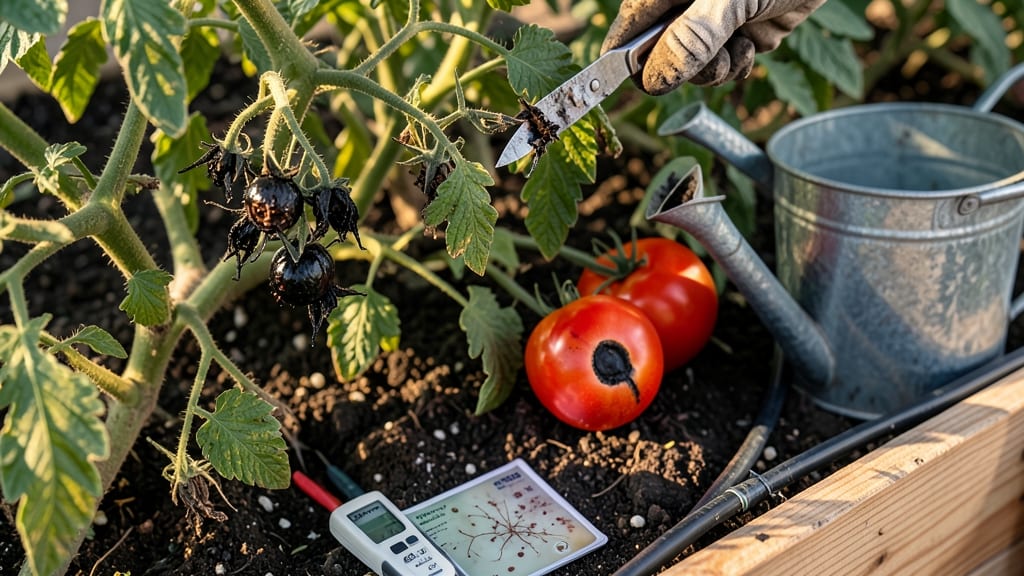
Your tomatoes are setting fruit, but those dark, sunken spots at the blossom end mean bloom rot—and your harvest is at risk. 🌱 I’ve lost entire batches to this frustrating problem, but I’ve also learned how to stop it before it ruins another season.
The key isn’t just treating the symptoms; it’s fixing the root causes—calcium, water, and soil—so your plants stay strong from the first flower to the last ripe tomato.
The culprit? Usually calcium deficiency or erratic watering—too much one day, too little the next. I’ve seen gardeners drown their plants in heatwaves, only to watch the blossom ends turn black and mushy. The good news?
Prevention is simple: consistent moisture, a side dressing of crushed eggshells or calcium-rich fertilizer, and mulch to keep roots stable. Even my black thumb can pull this off once I understood the science behind the rot.
By the time you spot the first signs, it’s already too late for that fruit—but you can save the rest of the plant. Prune off affected blossoms immediately, and give the soil a calcium boost.
Within weeks, your tomatoes will start setting fruit without those ugly scars. The payoff? A bountiful, healthy harvest that rivals the grocery store—and costs a fraction of the price.
This works for heirlooms, cherry tomatoes, and beefsteaks alike, whether you’re growing in raised beds, containers, or straight in the ground. The secret isn’t fancy tools or expensive sprays—it’s paying attention to what your plants actually need. Let’s get those tomatoes thriving again.
Root Causes Of Tomato Rot
Understanding why tomato blossoms turn into mushy, rotting messes starts with peeling back the layers of environmental and biological stress. Bloom rot—often called blossom-end rot—isn’t just one problem; it’s a cascade of factors working against your plants. Let’s break down the key culprits so you can tackle them head-on.
---
Tomatoes are thirsty, but they hate inconsistency. Uneven moisture is the #1 trigger for bloom rot. Here’s why: - Fluctuating soil moisture causes calcium uptake to stutter.
When roots can’t absorb enough calcium (a mineral crucial for cell wall strength), the youngest fruit—right at the blossom end—weakens and collapses. - Heavy watering after drought forces roots to scramble, leaving developing fruit calcium-starved.
Think of it like a straw sucking up water too fast—some areas get a flood while others dry out. - Poor drainage turns your soil into a soggy sponge. Roots suffocate, and oxygen-starved cells can’t process nutrients efficiently.
Actionable fix: Water deeply but consistently—aim for 1–1.5 inches per week (including rain). Use drip irrigation or soaker hoses to deliver water at the soil level, avoiding wetting leaves (which spreads disease).
---
Calcium isn’t just for strong bones—it’s the glue holding tomato cells together. When levels drop, the blossom end (the oldest part of the fruit) becomes a weak link: - Soil pH imbalance (too acidic or alkaline) locks calcium out of root reach.
Tomatoes thrive in slightly acidic soil (6.0–6.8 pH). - Competing nutrients (like nitrogen or potassium) hog the spotlight, leaving calcium in the dust. A soil test can reveal if your garden is a nutrient traffic jam. - Cold or waterlogged roots slow calcium absorption.
Even if your soil is rich, stressed roots can’t deliver.
Actionable fix: - Amend soil with gypsum (calcium sulfate) or crushed eggshells (baked and ground) for a slow-release boost. - Side-dress plants with calcium-rich compost or a balanced fertilizer (like 5-5-5) every 3–4 weeks. - Mulch heavily to keep soil temps stable and roots happy.
---
Tomatoes are tropical at heart but throw a fit when temps swing wildly: - Extreme heat (above 90°F/32°C) disrupts calcium uptake and speeds up fruit development, leaving it underdeveloped and prone to rot. - Cold snaps (below 50°F/10°C) shock the plant, halting nutrient transport.
Young fruit gets starved before it even matures. - Rapid temperature shifts (like a hot day followed by a cold night) confuse the plant’s metabolism, causing cellular chaos.
Actionable fix: - Shade cloth (30–50%) during heatwaves to keep temps under 85°F/29°C. - Row covers or black plastic mulch can warm soil in spring, protecting roots from cold stress. - Evening watering (before sunset) helps regulate soil temps and reduces heat shock.
--- Compacted or nutrient-poor soil is like a clogged pipe—roots can’t access what they need: - Clay-heavy soil holds water but suffocates roots, leading to oxygen deprivation and poor nutrient absorption. - Sandy soil drains too fast, flushing away calcium before roots can grab it. - Lack of organic matter means no buffering capacity—pH swings and nutrient imbalances run rampant.
Actionable fix: - Test your soil (a simple kit or lab test reveals pH and nutrient levels). - Improve drainage with compost, perlite, or raised beds if your soil is clay. - Add aged compost or worm castings to loosen soil and boost calcium availability.
--- While bloom rot is primarily a calcium issue, secondary infections can turn a weak fruit into a rotting disaster: - Fusarium or Phytophthora fungi thrive in wet conditions, invading stressed fruit. - Bacterial soft rot (from Erwinia bacteria) turns blossom ends into a mushy, foul-smelling mess. - Overhead watering splashes pathogens onto flowers and fruit, creating an open door for infection.
Actionable fix: - Prune lower leaves to improve airflow and reduce humidity near fruit. - Avoid wetting foliage—water at the base only. - Rotate crops (don’t plant tomatoes in the same spot yearly) to break disease cycles. - Copper fungicide sprays (preventative) can deter bacterial/fungal attacks.
--- Not all tomatoes are created equal. Some varieties are more susceptible to bloom rot due to: - Fast-growing fruit (like cherry tomatoes) that outpaces calcium supply. - Thin-skinned varieties (e.g., heirlooms) that rot faster when stressed. - Hybrids bred for yield sometimes sacrifice disease resistance for production.
Actionable fix: - Choose rot-resistant varieties like ‘Mountain Merit,’ ‘Celebrity,’ or ‘Better Boy’ if bloom rot is chronic in your garden. - Stagger planting to avoid overwhelming the plant with too many flowers/fruit at once.
--- 💡 Pro Tip: Keep a harvest journal! Track watering, temps, and fertilizer dates to spot patterns. If bloom rot flares up after heavy rain or a heatwave, you’ll know exactly what to adjust next season.
Fixing Tomato Rot Before It Wrecks Your Harvest
Bloom rot in tomatoes is a heartbreaking sight—especially when you’ve nurtured your plants all season long. But don’t toss those tomatoes just yet! The good news is that most cases can be prevented, treated, or even reversed with the right steps.
Below, we break down cause-specific fixes to save your tomatoes, whether they’re already showing signs of rot or you’re trying to stop it before it starts.
If your tomatoes are sitting in soggy soil, the first step is to drain the excess water and adjust your watering habits.
- 🌱 Stop watering at the base—switch to drip irrigation or soaker hoses to deliver water directly to the roots without wetting the leaves or fruit.
- 🏗️ Improve soil drainage by amending heavy clay soil with compost, sand, or perlite. Aim for soil that feels like a damp sponge—not a swamp.
- ⏰ Water in the morning (never at night) to allow foliage to dry before evening. Wet leaves + humidity = rot party.
- 🚫 Avoid mulching too close to stems—keep mulch 2-3 inches away to prevent water pooling.
💡 Pro Tip: If your pots don’t have drainage holes, drill them or switch to self-watering containers with a reservoir.
Bloom rot thrives when tomatoes lack calcium, especially during fruit development. Here’s how to boost their calcium intake fast:
- 🥛 Use calcium-rich fertilizers like calcium nitrate or gypsum (calcium sulfate). Follow package rates—overdoing it can cause other issues.
- 🍋 Add crushed eggshells or bone meal to the soil. Let eggshells bake and grind for 10 mins to kill bacteria, then mix into the top 2 inches of soil.
- 💧 Foliar spray with calcium chloride (1 tsp per gallon of water) on leaves. Do this every 7-10 days during fruiting.
- 🌱 Balance your soil pH—aim for 6.0–6.8. Test kits are cheap and make a huge difference.
⚠️ Warning: Don’t just add lime—it raises pH but may lock out calcium if overused.
Crowded plants trap moisture and block sunlight, creating the perfect rot-friendly environment.
- ✂️ Prune suckers and lower leaves to improve airflow. Remove any leaves touching the soil or fruit.
- 🌿 Thin out overcrowded plants—space tomatoes 18–24 inches apart for dwarf varieties, 36+ inches for indeterminate types.
- 🌞 Ensure 6–8 hours of sunlight daily. Shady spots = slower drying = rot.
- 🌬️ Use a fan on hot days to reduce humidity around plants (yes, really—it works!).
💡 Pro Tip: If you’re growing in containers, upgrade to larger pots (5+ gallons) to prevent root competition.
If you’ve already spotted rot, act fast to salvage what you can:
- 🔪 Trim off only the rotted portion of the tomato (if it’s <50% affected).
- 🧼 Disinfect pruners with rubbing alcohol between cuts to prevent spreading disease.
- 🍅 Harvest early—green or slightly underripe tomatoes will ripen indoors. Place them in a paper bag with a banana to speed up ripening.
- 🚫 Remove and destroy severely rotted fruit immediately—don’t compost it near your garden.
✨ Bonus: Cook or can affected tomatoes before they fully rot—blend into sauces or salsas where texture doesn’t matter.
Stop bloom rot from coming back next season with these non-negotiable habits:
- 📊 Test your soil every 2–3 years for calcium, magnesium, and pH levels.
- 🌱 Rotate crops—never plant tomatoes (or nightshades) in the same spot two years in a row.
- 💧 Water consistently—deep watering every 2–3 days (not daily shallow watering) encourages strong roots.
- 🍅 Choose resistant varieties like ‘Mountain Merit,’ ‘Defiant PhR,’ or ‘Bush Early Girl.’
- 🛡️ Use row covers early in the season to protect blossoms from rain and pests.
🎯 Final Thought: Bloom rot is manageable—don’t let it ruin your harvest. Start with soil health, adjust your watering, and keep an eye on your plants. Your future tomato sandwiches will thank you!
Frequently asked questions
Why does bloom rot always start at the blossom end of tomatoes?
The blossom end is the oldest part of the fruit, so it's the first to show calcium deficiency symptoms. When roots can't deliver enough calcium (due to uneven watering, poor soil, or stress), this area weakens and collapses. Think of it like a weak spot in a chain—it breaks first under pressure. The younger stem end keeps growing because it gets calcium priority from the plant.
Can I save tomatoes that already have bloom rot?
Yes, but only if the rot covers less than 50% of the fruit. Cut off the affected portion with clean pruners, then harvest the rest when green and ripen indoors with a banana in a paper bag. For severely rotted tomatoes, remove them immediately to prevent spreading disease. The key is acting fast—don't wait until the whole fruit is mushy!
How often should I water tomatoes to prevent bloom rot?
Consistency is critical—aim for 1–1.5 inches of water per week, including rainfall. Water deeply every 2–3 days rather than daily shallow watering. Use drip irrigation or soaker hoses to deliver water directly to roots, avoiding wetting leaves. Morning watering helps foliage dry before evening, reducing rot risk.
Are crushed eggshells really effective for preventing bloom rot?
Bake and grind eggshells to kill bacteria, then mix into soil or use as a foliar spray. They provide a slow-release calcium boost that's perfect for preventing rot. For faster results, combine with gypsum or calcium nitrate fertilizer. Just remember: eggshells work best when used before rot appears—not as a cure.
Will mulch help prevent bloom rot in my tomato plants?
Yes, but use it correctly. Apply 2–3 inches of organic mulch (straw or wood chips) around plants, keeping it 2 inches away from stems to prevent water pooling. Mulch helps maintain even soil moisture and temperature, which reduces calcium uptake issues. Just avoid heavy mulching in rainy seasons—it can create soggy conditions.