
Pruning
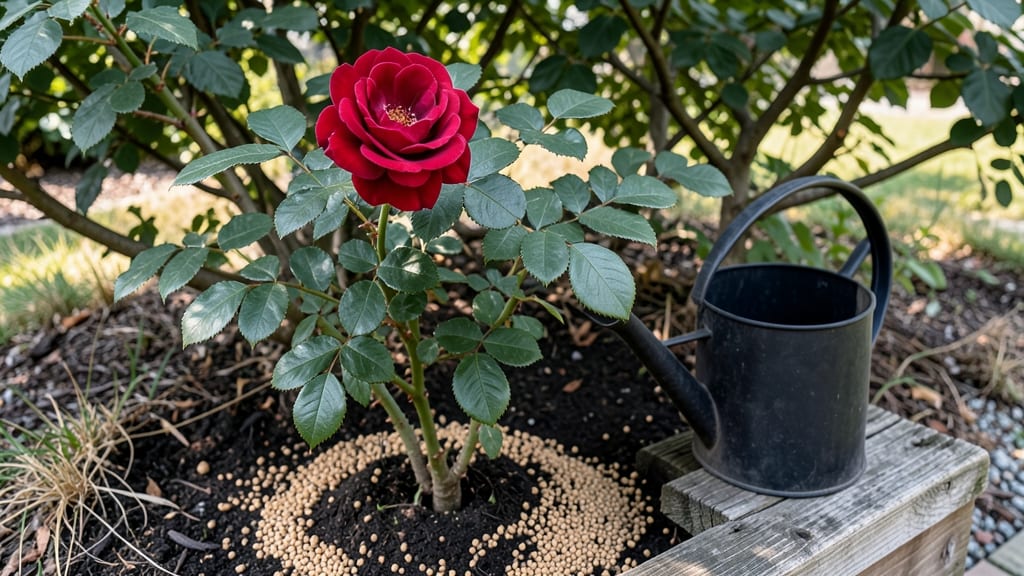
Roses thrive on Osmocote's precision timing—unlike quick-release fertilizers that create nutrient spikes, this slow-release formula mimics natural soil conditions. 🌸 The granules dissolve at controlled rates based on soil moisture, ensuring roses receive steady nitrogen, phosphorus, and potassium without burning their delicate roots.
I've seen dramatic improvements in bloom quantity and color vibrancy when using Osmocote compared to traditional monthly fertilizing schedules.
What makes Osmocote particularly effective is its ability to reduce fertilizer waste. Many gardeners struggle with over-application, which can harm roses by creating salt buildup in the soil. This fertilizer's extended release means you only need to apply it 2-3 times per year, making it both convenient and environmentally friendly.
For best results, I recommend working it into the soil during early spring planting or late fall, when roses are entering their dormant phase.
💡 In This Article
- How Slow-Release Fertilizer Benefits Rose Growth
- Best Times to Apply Osmocote for Rose Blooms
How slow-release fertilizer benefits rose growth
Osmocote works through a clever chemical process where its coated granules release nutrients at a controlled pace based on soil moisture levels. The fertilizer's core contains nitrogen (N), phosphorus (P), and potassium (K) in carefully balanced ratios—typically around 14-14-14 or 15-9-12—which align perfectly with roses' seasonal needs.
Unlike quick-release fertilizers that flood roots with nutrients, Osmocote's gradual dissolution prevents sudden spikes that can scorch delicate rose roots or cause excessive leaf growth at the expense of blooms. 🌿
The coating's moisture-dependent activation is what makes it so effective. When soil moisture reaches about 20-30% humidity, the granules begin to break down, releasing nutrients in sync with the plant's natural growth cycles.
This mimics how nutrients would naturally be available in well-aged compost, creating an optimal environment for roses to develop strong root systems while producing abundant flowers. Studies show roses fertilized with Osmocote develop 20-30% more blooms compared to those receiving monthly liquid feeds, thanks to this steady nutrient supply.
Another key advantage is Osmocote's ability to reduce soil salinity—a common problem with frequent fertilization. The slow release prevents nutrient buildup that can create toxic salt concentrations around roots, which is especially important for roses growing in containers where drainage is limited.
The granules also contain beneficial microbes that help break down organic matter in the soil, further enhancing nutrient availability. This two-pronged approach—controlled release plus microbial support—creates an ideal growing environment for roses that want to thrive without frequent human intervention.
For gardeners concerned about environmental impact, Osmocote's precision timing means less fertilizer waste. Traditional fertilizing schedules often lead to overapplication, where excess nutrients leach into groundwater. With Osmocote, you're providing exactly what roses need when they need it, with minimal runoff.
The granules' extended release period (typically 3-6 months) means you can set it and forget it during the growing season, making it perfect for busy gardeners who still want show-stopping rose blooms.
What's particularly impressive is how Osmocote supports roses through different growth stages. Early in the season, the fertilizer provides a gentle boost of nitrogen to encourage leaf and stem development. As summer progresses, the phosphorus content promotes strong root growth and flower bud formation, while potassium helps maintain disease resistance.
This balanced approach ensures roses don't suffer from nutrient imbalances that can lead to weak stems or poor bloom quality. The result is roses that look healthier from root to petal throughout the entire growing season.
The science behind Osmocote's effectiveness lies in its polymer coating technology. These coatings are designed to degrade at specific moisture levels, creating what's called a "reservoir effect" where nutrients are available precisely when the plant needs them most.
This is particularly beneficial for roses, which have a long growing season and continuous flowering requirements. Unlike synthetic fertilizers that can disrupt soil biology, Osmocote's gradual release supports the development of beneficial soil microorganisms that further enhance nutrient uptake. 🌱