
How To
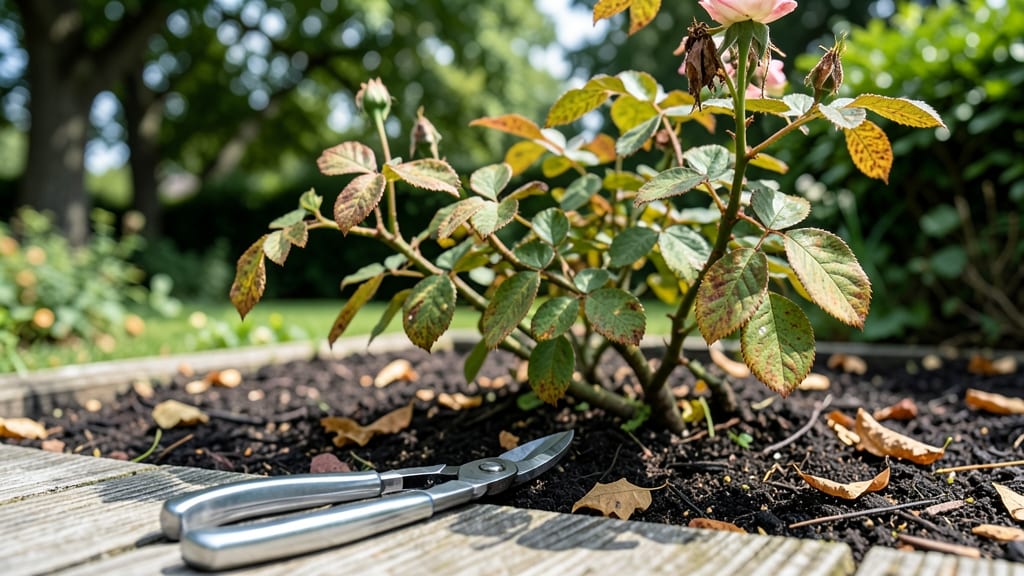
Your roses are covered in orange pustules that look like they came from a horror movie—but this is just rose rust, and it’s 100% treatable. 🌿 I’ve battled this fungus for years, and the vinegar soak method I’ll share here clears up infections faster than store-bought sprays, without harsh chemicals.
The key? Catching it early and acting fast.
Rose rust thrives in damp, shady conditions, so the first step is improving airflow around your plants. Prune out infected leaves immediately (don’t compost them!) and space roses at least 3-4 feet apart to let sunlight and air circulate. This alone can stop new infections in their tracks.
For stubborn cases, mix 1 part white vinegar with 3 parts water and spray the stems and undersides of leaves every 7-10 days. The acidity disrupts the fungus while being safe for your roses—just avoid spraying in direct sunlight to prevent leaf burn.
Once you’ve treated the rust, focus on prevention: water at the base (not overhead), mulch to keep soil dry, and apply a copper fungicide in spring as insurance. With these steps, your roses will bounce back stronger than ever.
Understanding rust’s hidden triggers
Rust on roses isn’t just an eyesore—it’s a plant disease caused by fungal spores that thrive in specific conditions. These microscopic invaders latch onto your roses, turning vibrant green leaves into unsightly orange-brown patches.
But why does it strike some gardens and leave others untouched? Let’s break down the real culprits behind rust’s sneaky spread.
Rust fungi (Phragmidium mucronatum and related species) love moisture. When humidity hovers above 75% for prolonged periods—or when leaves stay wet from dew, rain, or overhead watering—the spores germinate and infect your roses. Here’s why it’s a problem:
- Spores need water to activate: Like tiny aquatic explorers, fungal spores release enzymes that dissolve plant cell walls only when hydrated.
- Stagnant air traps moisture: Dense foliage or poorly ventilated gardens create microclimates where humidity lingers, giving rust a foothold.
- Morning dew is a double-edged sword: While natural, dew can extend leaf wetness past the 6–12 hours rust spores need to infect.
Pro tip: 🌡️ Aim for good airflow around roses—prune crowded branches and water at the base, not the leaves, to keep foliage dry.
Healthy roses resist rust better because their cuticles (a waxy plant skin) act as a barrier. But when roses are stressed, their defenses weaken, making them prime targets. Common stressors include:
| Stressor | How It Helps Rust |
|---|---|
| Poor nutrition (lack of nitrogen or magnesium) | Weak leaves can’t produce enough phenolic compounds, which normally repel fungi. |
| Compacted soil (restricted roots) | Stressed roots can’t absorb water/nutrients efficiently, leading to chlorosis (yellowing) that rust exploits. |
| Pests (aphids, spider mites) | Pest damage creates entry points for rust spores, like tiny open doors. |
| Sudden temperature swings | Shocked plants drop leaves or produce thin growth, which rust spores penetrate easily. |
Actionable fix: ✨ Test your soil’s pH (aim for 6.0–6.5) and fertilize with balanced rose food to boost resilience.
Rust spores overwinter in fallen leaves, mulch, or dead stems. Even after your roses bloom, these spores lie dormant until conditions improve. Here’s how they hitch a ride:
- Leaf litter acts as a spore reservoir: A single infected leaf can release thousands of spores when wet.
- Wind and tools spread spores: Pruners, rakes, or even your hands can transfer rust from plant to plant.
- Mulch traps moisture: Organic mulch (like grass clippings) can hold spores close to the soil, reinfecting new growth.
Pro tip: 🔥 Clean up thoroughly in fall—remove all plant debris from the bed and sterilize tools with a 10% bleach solution (1 part bleach to 9 parts water).
Rust outbreaks surge in spring and early summer because:
- Moderate warmth (60–80°F) speeds up spore germination. Too hot (>90°F) or too cold (<50°F) slows rust down—but doesn’t kill it.
- Frequent rain showers create the perfect "rust bath" for spores, with 3+ consecutive wet days being especially risky.
- New growth is vulnerable: Young, tender leaves lack the cuticular wax of mature foliage, making them 3x more susceptible to infection.
Watch for: 🎯 Tiny yellow-orange pustules on undersides of leaves—this is rust’s first sign of colonization.
Quick Fixes for Rusty Roses
Rust on roses isn’t just an eyesore—it weakens plants by blocking sunlight and clogging pores. The good news? You can reverse the damage with simple, effective methods tailored to the cause.
Below, we break down practical solutions for each type of rust, from organic remedies to preventative care, so your roses stay vibrant and healthy.
Fix: Prune + Spray + Prevent
- 🔪 Remove Infected Leaves & Stems
- Snip off yellowed, spotted, or crusty leaves with clean pruners (sterilize with rubbing alcohol between cuts).
- Drop debris in a sealed bag—do not compost to avoid reinfection.
- Pro Tip: 💡 Target new growth first, as fungi spread fastest there.
- 🍳 Homemade Fungicide Spray (Vinegar or Baking Soda)
- Vinegar Mix: 1 part white vinegar + 3 parts water + 1 tsp dish soap (spray undersides of leaves).
- Baking Soda Solution: 1 tbsp baking soda + 1 quart water + a few drops of soap (spray every 7–10 days).
- Why It Works: Vinegar’s acidity disrupts fungal spores, while baking soda raises leaf pH, making it inhospitable.
- 🌡️ Improve Airflow & Light
- Thin out crowded canes and space roses 18–24 inches apart.
- Avoid overhead watering—water at the base in the morning so foliage dries quickly.
- ✨ Prevent Recurrence
- Mulch with 2–3 inches of wood chips to block spore splash-back from soil.
- Rotate fungicides (e.g., switch between copper spray and neem oil seasonally).
Fix: Drainage Upgrade + Adjust Watering
- 💧 Check the Soil
- Stick your finger 2 inches deep—if soil is soggy, your roses are drowning.
- Quick Test: Grab a handful; if it forms a tight ball, drainage is poor.
- 🏗️ Amend the Soil
- Mix in perlite or coarse sand (1 part amendment to 3 parts soil) to loosen compacted areas.
- For containers, drill drainage holes if missing and add a gravel layer at the bottom.
- 🌧️ Water Smarter
- Deep water 1–2 times per week (early morning) instead of daily light sprinkles.
- Use a soaker hose to deliver water directly to roots, avoiding wet foliage.
- 🌿 Choose the Right Location
- Roses need 6+ hours of sun but protected spots (e.g., near a fence to block harsh afternoon winds).
- Avoid low-lying areas where water pools after rain.
Fix: Flush + Neutralize + Natural Boost
- 🚰 Rinse the Plant
- Use a gentle hose spray (low pressure) to wash off residue from leaves and stems.
- Avoid pressure washers—they can damage tender rose tissue.
- 🧼 Neutralize Chemicals
- Epsom Salt Soak: Dissolve 1 tbsp Epsom salt in 1 gallon of water and spray to replenish magnesium (lost from chemical stress).
- Hydrogen Peroxide Dip: Mix 1 tbsp 3% H₂O₂ per quart of water to disinfect and promote healing.
- 🌱 Switch to Organic Fertilizer
- Replace synthetic fertilizers with compost tea or fish emulsion (diluted to half-strength).
- Pro Tip: 🎯 Top-dress with worm castings for slow-release nutrients without burn risk.
- 🛡️ Protect Future Blooms
- Test soil pH (ideal: 6.0–6.5) before fertilizing—alkaline soil worsens chemical damage.
- Space out applications: Feed roses every 4–6 weeks in spring/summer, not monthly.
Fix: Rejuvenate + Support
- 🌿 Prune for Vitality
- Cut back 1/3 of the oldest canes to encourage new, rust-resistant growth.
- Remove crossing branches to improve airflow.
- 💪 Feed with Micronutrients
- Iron Supplement: Sprinkle chelated iron granules around the base (rust depletes iron).
- Seaweed Extract: Spray foliar feed (1 tbsp/gal water) to strengthen cell walls.
- 🌞 Boost Sunlight & Shelter
- Move potted roses to a sunnier spot (even 1–2 hours more sun helps).
- Cover with frost cloth in winter to prevent stress from temperature swings.
- 🌱 Consider Variety Swaps
- If rust persists, try disease-resistant hybrids like:
- ‘Knock Out’ roses (disease-resistant)
- ‘Dr. Huey’ (black spot-resistant)
- ‘The Fairy’ (compact, hardy)
- If rust persists, try disease-resistant hybrids like:
| Task | How Often | Why It Works |
|---|---|---|
| Inspect leaves weekly | Every 7 days | Catches rust early before spread. |
| Sterilize pruners | After each cut | Prevents cross-contamination. |
| Mulch with wood chips | Spring & fall | Blocks spore splash from soil. |
| Rotate fungicides | Seasonally | Stops fungal resistance. |
| Water at soil level | Morning only | Keeps foliage dry, deterring spores. |
Final Note: Rust is manageable—act fast, and your roses will bounce back stronger. For stubborn cases, combine pruning + fungicide + soil fixes for the best results. 🌹✨
Frequently asked questions
Will rust on roses kill my rose bushes?
Not necessarily! While severe rust infections can weaken roses over time, they rarely kill mature bushes. The fungus primarily affects leaves, not roots. Early treatment with pruning and fungicides (like vinegar spray) stops spread and lets roses recover. Focus on removing infected foliage immediately to prevent long-term damage.
Can I still use my roses for bouquets if they have rust?
Yes, but remove all infected leaves before arranging. The rust won't harm you, but it may spread to other plants. For long-term bouquets, choose disease-resistant varieties like 'Knock Out' roses. Always inspect stems before cutting - discard any with heavy orange pustules to protect your garden.
How often should I apply fungicide to prevent rust?
Apply every 7-10 days during peak growing season (spring to early summer). For prevention, 2-3 applications monthly is ideal. Rotate between organic options (vinegar, neem oil) and copper fungicides seasonally to prevent resistance. Stop treatments when temperatures exceed 85°F - rust thrives in cooler, wet conditions.
Why does my rose rust keep coming back every year?
This usually means spores are overwintering in your garden. Clean up ALL plant debris in fall, sterilize tools with bleach solution (1:9 ratio), and improve airflow between plants. Consider planting disease-resistant varieties in affected areas. The fungus survives in dead leaves and mulch - thorough cleanup breaks the cycle.
Is it safe to use store-bought fungicides on roses?
Yes, but choose rose-specific fungicides with copper, sulfur, or potassium bicarbonate as active ingredients. Always follow label instructions carefully. For organic gardens, homemade solutions (vinegar, baking soda) work well too. Test any new product on a small area first to check for sensitivity.