
Container Gardens
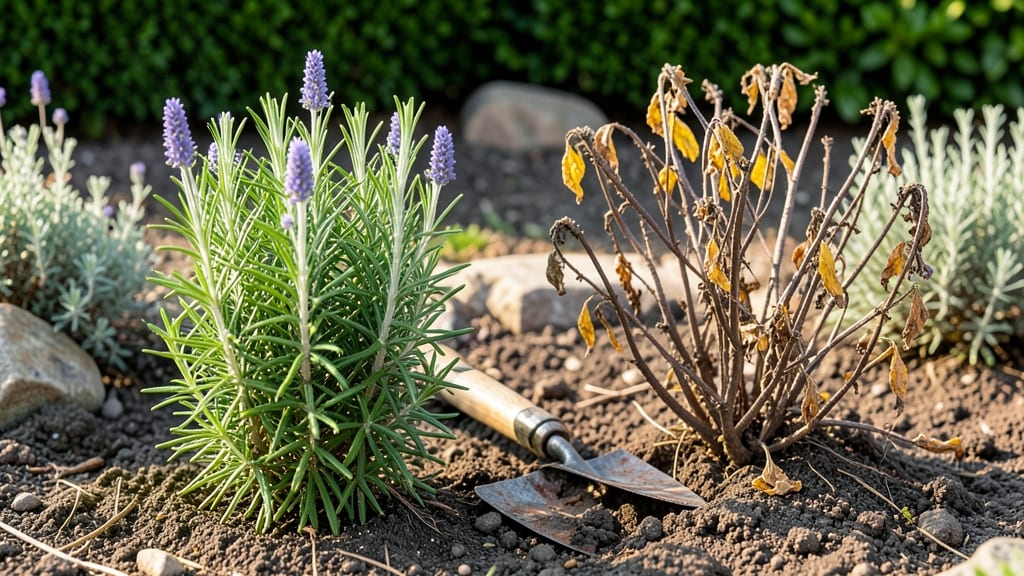
Your rosemary might not be dead—just waiting for a second chance. 🌿 Before tossing those woody stems, check for green growth hidden beneath the brown. I’ve revived rosemary plants that looked hopeless with just a little patience and the right care.
Most "dead" rosemary is actually suffering from underwatering or frost damage. Feel the stems: if they’re dry and brittle, it’s thirst; if they’re mushy, it’s overwatered. Even if the top looks dead, roots can still hold hope—just trim back the brown and give it a drink.
With proper light, water, and a snip of the woody bits, you’ll see fresh green shoots in 2-4 weeks. The key is mimicking its Mediterranean home: bright light, well-draining soil, and letting it dry between waterings. No green after a month? It’s time to start fresh.
This works for potted rosemary, ground plants, or even cuttings. Whether you’re dealing with dormancy or true decline, the test is simple: wait, observe, and act. Let’s bring your plant back to life!
Root Causes of Rosemary Decline
Rosemary is a hardy herb, but even the toughest plants can succumb to environmental stress, poor care, or hidden issues. If your rosemary looks wilted, crispy, or lifeless, these are the most likely culprits—and understanding them is the first step to revival.
Rosemary thrives in drought-tolerant conditions, and overwatering is the #1 reason it "dies" prematurely.
When soil stays soggy for too long, the roots suffocate from lack of oxygen, leading to: - Root rot (Phytophthora or Pythium fungi), which turns roots black and mushy. - Nutrient starvation—waterlogged soil prevents roots from absorbing water and minerals. - Stunted growth—wilting stems or yellowing leaves signal distress.
💡 Pro Tip: Stick your finger 2 inches deep into the soil. If it’s damp, wait. Rosemary prefers bone-dry soil between waterings—even in pots, drainage holes are non-negotiable!
While rosemary hates soggy roots, chronic underwatering stresses the plant just as much. Without enough moisture:
- Cell dehydration causes leaves to curl, brown, and crisp like paper.
- Stunted photosynthesis—wilting leaves can’t absorb sunlight efficiently.
- Woody stems dry out, making revival nearly impossible if severe.
⚠️ Warning Signs: Dry, brittle stems that snap easily or leaves that fall off at the slightest touch.
Rosemary is a Mediterranean native, meaning it craves:
- Full sun (6+ hours daily)—shady spots lead to leggy, weak growth and pale leaves.
- Moderate temps (60–85°F)—frost kills it, while heat waves (above 90°F) can scorch leaves.
🔥 Extreme Conditions:
- Frost damage turns leaves black and mushy.
- Heat stress causes leaf scorch (brown, crispy edges).
- Cold drafts (like AC vents) weaken stems over time.
Rosemary despises rich, heavy soil (like garden loam).
Instead, it needs: - Well-draining, sandy, or gravelly mix (think: cactus or succulent soil). - Low fertility—too much nitrogen = floppy, leafy stems (no flavor!). - pH 6.0–7.0—acidic soil (below 5.5) locks out essential minerals like magnesium and calcium.
🌿 Common Deficiencies:
| Symptom | Likely Cause | Fix It |
|---|---|---|
| Yellow lower leaves | Nitrogen deficiency | Switch to low-nitrogen fertilizer |
| Purple-tinged leaves | Phosphorus or magnesium lack | Add Epsom salt (1 tsp/gallon water) |
| Stunted growth | Poor drainage or compacted soil | Repot in fresh, gritty mix |
Even resilient rosemary can fall prey to:
- Spider mites (tiny webs on undersides of leaves) → dry, stippled leaves.
- Aphids (sticky residue, curled leaves) → weakens stems over time.
- Fungal infections (powdery mildew = white dust; root rot = foul smell).
🛡️ Prevention:
- Neem oil spray (weekly preventative).
- Prune infected stems immediately (don’t compost—burn or trash).
- Avoid overhead watering (fungi love damp foliage).
If your rosemary is root-bound (roots circling the pot) or in a too-small container, it struggles to:
- Absorb enough water/nutrients.
- Stabilize its woody structure (leads to top-heavy, snapping stems).
🔄 Fix It:
- Repot every 2–3 years in a slightly larger pot (just 1–2 inches wider).
- Use terracotta pots—they dry out faster than plastic.
- Check for gnarled roots—if you see a dense root ball, trim the outer roots before repotting.
Quick Revival Steps for Rosemary
Don’t toss that woody stem just yet! With the right care, you can often bring your rosemary back to life—even if it looks like a sad, dried-out relic. Below are practical, step-by-step solutions tailored to the most common causes of rosemary decline, plus tips to keep your plant thriving long-term.
Signs: Yellowing leaves, mushy stems, foul smell, or a plant that wobbles easily when pulled.
How to Fix It:
- 🔥 Stop Watering Immediately
- Rosemary hates soggy soil. Let the top 1–2 inches dry out completely before watering again.
- 👨🍳 Check the Roots
- Gently remove the plant from its pot and inspect the roots. Healthy roots are firm and white; rotten roots are brown, mushy, or smell bad.
- ✂️ Trim the Damage: Use clean scissors to snip off any black or squishy roots.
- 🌡️ Repot in Fresh Soil
- Choose a well-draining pot (terracotta or ceramic with drainage holes) and a cactus/succulent mix (or add perlite/pumice to regular potting soil).
- Pro Tip: Add a handful of coarse sand or gravel to the bottom of the pot to improve drainage.
- 🌿 Let It Dry Out
- Place the plant in bright, indirect light (no direct sun yet) and avoid watering for 5–7 days. This gives the roots time to heal.
- 💧 Water Sparingly Moving Forward
- Once recovered, water only when the soil is bone-dry (stick your finger in—if it’s damp, wait).
Prevention:
- 💡 Use a moisture meter to track soil dryness.
- ✨ Choose the right pot: Smaller pots dry out faster than large ones.
- 🌡️ Water in the morning so excess moisture evaporates during the day.
Signs: Crispy, brown leaf edges, wilting despite moist soil, or leaves falling off.
How to Fix It:
- 🌿 Move to Shade (Temporarily)
- If your rosemary was suddenly exposed to intense heat or direct sun, relocate it to dappled shade (e.g., under a sheer curtain or near a north-facing window).
- 💧 Hydrate Gently
- Water lightly (just enough to moisten the soil, not soak it). Overwatering now will worsen stress.
- 🍳 Trim the Damage
- Snip off only the most severely burned leaves (healthy green stems will regrow).
- 🌱 Gradually Reintroduce Sun
- After 3–5 days, move it to morning sun only, then slowly increase exposure over a week.
Prevention:
- 🎯 Ideal sunlight: 6+ hours of sun daily, but afternoon shade in extreme heat (especially in summer).
- 💡 Use a heat-resistant pot (terracotta helps regulate temperature).
- 🌡️ Mulch lightly with gravel to reflect heat away from roots.
Signs: Droopy, grayish-green leaves, slow growth, or stems that feel brittle.
How to Fix It:
- 🌡️ Check the Temperature
- Rosemary needs warmth—ideal temps are 60–80°F (15–27°C). If below 50°F (10°C), it’s likely dormant.
- 🔥 Move Indoors (If Needed)
- Bring pots inside near a sunny window or under grow lights (12–14 hours/day).
- 💧 Water Lightly
- Reduce watering to every 2–3 weeks (overwatering in cold weather = root rot).
- 🌿 Prune Sparse Growth
- Trim back dead or woody stems to encourage new shoots. Use clean shears and cut just above a leaf node.
- 🌱 Fertilize Lightly (Spring Only)
- In early spring, use a diluted balanced fertilizer (5-5-5) or seaweed extract to stimulate growth.
Prevention:
- 💡 Overwinter indoors if temps drop below 40°F (4°C).
- ✨ Group plants together to retain warmth (they like company!).
- 🌡️ Avoid cold drafts (e.g., near AC vents or drafty windows).
Signs: Roots circling the pot, stunted growth, or soil drying out too fast.
How to Fix It:
- 🔍 Check the Roots
- Gently squeeze the pot—if roots are poking out the drainage holes, it’s time to upgrade.
- 🍳 Repot Carefully
- Choose a pot only 1–2 inches larger in diameter (rosemary prefers being slightly root-bound).
- Use fresh, fast-draining soil (cactus mix + perlite).
- 🌿 Trim Aggressive Roots
- If roots are circling tightly, snip them with clean scissors before repotting.
- 💧 Water Normally After Repotting
- Hold off on watering for 3–5 days to reduce shock.
Prevention:
- 💡 Repot every 2–3 years (or when roots escape the pot).
- ✨ Use a pot with drainage holes—no exceptions!
- 🌱 Prune regularly to encourage bushier (not leggier) growth.
Final Pro Tip: 🌿 The "Woody Stem Test" If your rosemary’s stems are completely woody with no green, it’s likely past revival. But if you see any green buds or new growth, keep nurturing it—your plant might just be hibernating! 🌱✨
Frequently asked questions
Can I save rosemary with only woody stems left?
Yes! If you see any green buds hidden among the woody stems, trim back the dead parts and place the plant in bright light with well-draining soil. Water lightly only when the soil is completely dry. New growth should appear in 2-4 weeks if the roots are still alive.
How do I know if my rosemary is truly dead vs. dormant?
Check for green shoots at the base or along the stems—these mean it’s dormant, not dead. If you see no green and the stems are completely dry and brittle, it’s likely beyond revival. For dormant plants, reduce watering and wait for spring to encourage regrowth.
What’s the fastest way to revive underwatered rosemary?
Move it to bright, indirect light and water deeply but infrequently—only when the soil is bone-dry. Trim any crispy leaves and avoid fertilizing until you see new growth. Most underwatered rosemary recovers within 3-4 weeks with this approach.
Can I propagate rosemary from dead-looking stems?
Cut healthy-looking stems (even if they have some brown parts) and place them in water or well-draining soil. Keep in bright light and mist occasionally. Roots should form in 2-3 weeks. This works even if the original plant was struggling.
Why does my rosemary keep dying after revival?
Most likely, you’re overwatering or using soil that doesn’t drain well. Rosemary needs fast-draining soil and only water when completely dry. Use a pot with drainage holes and consider adding perlite or sand to improve drainage.