
Planting
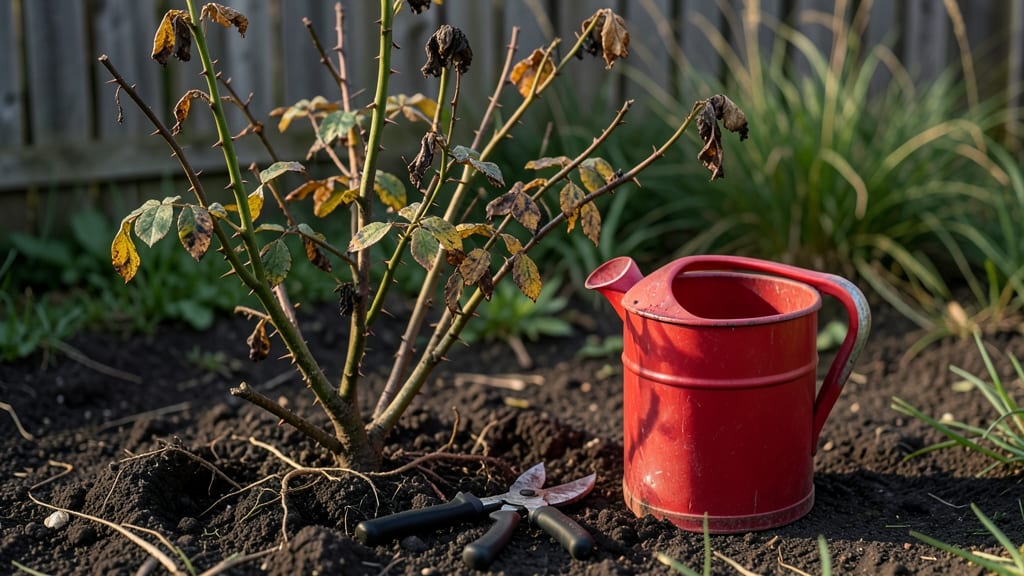
How to save a dying rose plant starts with one honest question: What’s really wrong? 🌹 I’ve nursed more roses back from the brink than I’d like to admit, and the first step is always diagnosing the problem—because wilting stems, yellow leaves, or black spots don’t just happen by accident.
Overwatering, pests, or nutrient starvation each leave their own clues, and missing them means wasting time on the wrong fixes.
The good news? Most roses are tougher than they look. A simple check of the soil moisture, stems, and leaves reveals the culprit—whether it’s root rot from soggy soil, aphid colonies sucking the life out of new growth, or powdery mildew turning leaves into dust.
Once you spot the issue, the rescue plan becomes clear: adjust watering, prune infected parts, or feed the roots what they’re missing. It’s not always quick, but it works.
By the time you’re done, you’ll see fresh green leaves pushing through and stems standing tall again—proof that even the most neglected roses can bounce back. The key is acting fast and targeting the real problem, not guessing.
Think of it like triage: save the roots, then the branches, and soon you’ll be back to admiring those velvety blooms.
This isn’t just about saving one plant—it’s about learning the patterns so your roses stay strong for years. Let’s get to the root of the problem and bring your roses back to life.
Root Causes Of Rose Decline
Understanding why your rose plant is struggling is the first step to bringing it back to life. Roses are resilient, but they send clear distress signals when something’s off—whether it’s a hidden pest, a soil issue, or environmental stress.
Let’s break down the most common reasons your rose might be gasping for air, so you can diagnose the problem like a pro.
Roses hate soggy feet. When roots sit in waterlogged soil for too long, they suffocate due to lack of oxygen—a condition called root rot. This fungal infection clogs root cells, preventing water and nutrient uptake.
Signs include: - Yellowing leaves (especially lower ones) - Mushy, blackened stems at the base - Stems that pull away easily from the soil
Why it happens:
- Compacted or clay-heavy soil traps excess moisture.
- Overzealous watering (especially without checking soil moisture).
- Lack of mulch leads to uneven drying and water pooling.
Pro tip: 💡 Stick your finger 2 inches into the soil—if it’s damp, wait to water. If it’s bone-dry, your rose might be thirsty or struggling with root rot. Test by gently tugging on a stem; if it resists, roots may still be alive. If it slips out easily, it’s a red flag.
On the flip side, roses also suffer when their roots dry out completely. Without enough water, transpiration (water loss through leaves) outpaces absorption, causing:
- Crispy, brown leaf edges
- Wilting that doesn’t recover even after watering
- Stems that feel hollow when squeezed
Why it happens:
- Inconsistent watering (e.g., deep soaks followed by drought).
- Shallow root systems in young roses or those in containers.
- High temperatures + low humidity increase evaporation rates.
Pro tip: 🌡️ Water deeply 1–2 times per week (more in extreme heat) and aim for 1–1.5 inches of water per session. Use a soaker hose to deliver moisture directly to roots without wetting foliage (which can promote disease).
Roses are heavy feeders and demand balanced nutrients (nitrogen, phosphorus, potassium) plus micronutrients like magnesium, iron, and zinc.
A deficiency shows up as: - Yellow leaves between veins (iron/chlorosis, common in alkaline soil). - Purple stems or undersides of leaves (phosphorus deficiency). - Slow growth or small, weak leaves (nitrogen deficiency).
Why it happens:
- Poor-quality soil lacking organic matter (e.g., pure sand or clay).
- Overuse of synthetic fertilizers without soil testing (can burn roots).
- pH imbalances (roses thrive in 6.0–6.5; above 7.0 locks out iron).
Pro tip: 📊 Test your soil with a DIY kit or send a sample to a local extension office. Amend with compost, worm castings, or peat moss to improve texture and nutrient retention. For chlorosis, apply chelated iron or use sulfur to lower pH.
Roses attract pests and pathogens like magnets.
Common culprits include: - Aphids, spider mites, or scale insects (sap-sucking pests that weaken stems). - Black spot fungus (Diplocarpon rosae) causing dark spots on leaves. - Powdery mildew (white, powdery coating on foliage). - Canker disease (sunken, oozing wounds on stems).
Why it happens:
- High humidity + poor airflow (ideal for fungal growth).
- Stressed plants (weakened by drought, overwatering, or poor nutrition).
- Infected tools or neighboring plants spreading disease.
Pro tip: ✨ Inspect undersides of leaves and stems with a magnifying glass. Prune infected areas with sterilized shears (wipe with rubbing alcohol). For pests, blast off with water or use neem oil. For fungus, apply copper fungicide preventatively in spring.
Roses are sensitive to temperature swings, wind, and sunlight extremes. Signs of environmental strain include:
- Sunburnt leaves (white/yellow patches on upper leaves).
- Stunted growth or leaf drop in sudden cold snaps.
- Curling or scorch marks on edges (windburn or heat stress).
Why it happens:
- Afternoon sun (especially in hot climates) can scorch leaves.
- Sudden frost damages tender new growth.
- Exposure to wind dries out leaves faster than roots can replace moisture.
Pro tip: 🎯 Provide afternoon shade in intense heat (use shade cloth, not plastic). Mulch heavily in winter to insulate roots. If transplanting, acclimate roses gradually to new conditions (e.g., move containers indoors overnight during heatwaves).
Roses in pots face unique challenges. If roots circle the container or become root-bound, they:
- Strangle each other, limiting water/nutrient uptake.
- Dry out faster in small pots.
- Suffocate when roots fill the entire space.
Why it happens:
- Small or shallow containers restrict growth.
- Lack of repotting every 2–3 years.
- Poor-quality potting mix without drainage.
Pro tip: 🔥 Check for root-bound roses by gently removing the plant—if you see roots circling like a pretzel, repot immediately into a container 2–3 inches larger with fresh, well-draining mix. Add perlite or orchid bark to improve aeration.
Reviving Your Rose Plant Step-by-Step
Your rose plant isn’t beyond saving—even if it looks like a lost cause right now! 🌿 With the right care, you can coax it back to life. Below, we’ve mapped out practical fixes for the most common issues, along with preventive tips to keep your rose thriving long-term.
Let’s get those stems perking up again!
If your rose’s leaves are yellowing, wilting, or the soil smells sour, it’s likely getting too much water. Roots need air too!
🔥 Fix It Now:
- 👨🍳 Step 1: Stop Watering Immediately Let the soil dry out completely for 3–5 days. Stick your finger 2 inches into the soil—if it’s damp, wait longer.
- 🥘 Step 2: Improve Drainage Mix in perlite, sand, or coconut coir (20% of the soil volume) to aerate the roots. If potted, repot into a container with drainage holes.
- 🔪 Step 3: Prune Damaged Roots (If Severe) Gently remove the plant from its pot and trim any black, mushy roots with sterilized scissors. Replant in fresh, well-draining soil.
💡 Prevention Tips:
- Water only when the top 1–2 inches of soil are dry (usually 1–2 times per week, depending on climate).
- Use a self-watering pot or moisture meter to avoid guesswork.
- Never let roses sit in saucers of water—empty excess after watering.
Drooping leaves, crispy edges, or soil pulling away from the pot edges? Your rose is begging for hydration.
🍳 Fix It Now:
- 💧 Step 1: Deep Watering Soak the soil until water runs out the drainage holes. Do this once a week (or daily in extreme heat).
- 🌡️ Step 2: Provide Shade & Coolth Move the plant to partial shade (morning sun is best) for 1–2 weeks. Avoid afternoon heat, which burns leaves.
- 🥗 Step 3: Mulch to Retain Moisture Add a 2-inch layer of mulch (straw, bark, or shredded leaves) around the base to lock in moisture.
✨ Prevention Tips:
- Water in the early morning to reduce evaporation.
- Use drip irrigation or soaker hoses for consistent moisture.
- Group roses with other plants to create a microclimate that retains humidity.
Black spots, powdery white residue, or moldy stems? Fungal infections thrive in damp, stagnant conditions.
🔥 Fix It Now:
- 🧼 Step 1: Clean Up Immediately Remove all infected leaves and stems (sterilize pruners with rubbing alcohol between cuts).
- 💊 Step 2: Apply Fungicide Spray with a copper-based fungicide or a baking soda solution (1 tsp baking soda + 1 quart water + a drop of dish soap). Reapply every 7–10 days.
- 🌿 Step 3: Improve Airflow Prune nearby foliage to increase circulation around the rose. Space plants at least 18–24 inches apart.
🎯 Prevention Tips:
- Water at the base (avoid wetting leaves) to prevent fungal spores from spreading.
- Space roses properly to reduce humidity around the plant.
- Rotate fungicide types seasonally to avoid resistance.
Sticky residue, holes in leaves, or tiny crawling bugs? Pests like aphids, spider mites, or Japanese beetles can drain your rose’s energy.
👨🍳 Fix It Now:
- 🚿 Step 1: Blast Off Pests Spray the plant (top and bottom of leaves) with soapy water (1 tsp mild soap per quart of water). Repeat every 3–4 days.
- 🕷️ Step 2: Introduce Beneficial Insects Release ladybugs or lacewings (available at garden centers) to eat the pests naturally.
- 🍎 Step 3: Use Neem Oil (For Stubborn Infestations) Mix 1 tsp neem oil + 1 tsp mild soap per quart of water and spray thoroughly. Reapply weekly for 2 weeks.
💡 Prevention Tips:
- Inspect new plants before bringing them home.
- Remove fallen leaves/debris where pests hide.
- Plant pest-repelling companions like marigolds or garlic nearby.
Pale yellow leaves, stunted growth, or weak stems? Your rose might be hungry for key nutrients.
📊 Fix It Now:
- 💪 Step 1: Test Your Soil Use a DIY soil test kit (available at garden stores) to check pH (ideal: 6.0–6.5 for roses) and nutrient levels.
- 🥗 Step 2: Feed the Right Way
- Nitrogen (Green Leaves): Use a balanced fertilizer (10-10-10) if leaves are pale.
- Phosphorus (Blooms): Switch to a high-phosphorus fertilizer (5-10-10) if buds aren’t forming.
- Potassium (Root Health): Add wood ash or banana peel tea for potassium.
- 🍎 Step 3: Organic Boost Mix compost or worm castings into the top 2 inches of soil for a slow-release nutrient boost.
🌡️ Prevention Tips:
- Fertilize every 4–6 weeks during growing season (spring–fall).
- Avoid over-fertilizing—it burns roots! Follow package instructions.
- Use slow-release granules for steady nutrition without spikes.
With these fixes, your rose should show signs of recovery in 2–4 weeks. 🌸 Stay consistent with care, and soon you’ll be admiring lush blooms again. For persistent issues, consider root pruning or replanting—sometimes a fresh start is the best solution!
Frequently asked questions
How do I tell if my rose plant is suffering from root rot?
Check for black, mushy stems at the base and yellowing leaves that start from the bottom. Gently tug on a stem—if it pulls away easily, the roots are likely rotting. The soil may also smell sour or have a grayish mold. Stop watering immediately and improve drainage by mixing in perlite or sand.
Can I save a rose plant with no leaves at all?
Yes, but act fast! First, check the roots—if they’re still white or light brown, the plant may recover. Prune back dead stems to healthy green tissue and repot in fresh, well-draining soil. Keep it in bright, indirect light and water lightly until new growth appears (usually in 4–6 weeks
What’s the best way to revive a rose plant with crispy, brown leaf edges?
This usually means underwatering or high heat stress. Soak the soil until water drains out the bottom, then move the plant to partial shade for 1–2 weeks. Mulch with 2 inches of organic material to retain moisture. Water deeply once a week (more in extreme heat) and avoid wetting leaves to prevent disease.
How often should I fertilize a struggling rose plant?
Start with a light feeding every 4–6 weeks using a balanced fertilizer (10-10-10). If leaves are pale yellow, it needs nitrogen; if buds aren’t forming, switch to a high-phosphorus fertilizer (5-10-10). Avoid over-fertilizing—it burns roots! Test soil pH first (ideal: 6.0–6.5) and amend with compost if needed.
Is it too late to save a rose plant with black spots on the leaves?
Not yet! Prune off all infected leaves (sterilize shears with rubbing alcohol) and apply a copper fungicide or baking soda spray (1 tsp baking soda + 1 quart water). Improve airflow by spacing plants 18–24 inches apart and water at the base (not leaves). Repeat treatments every 7–10 days until new growth appears.