
Planting
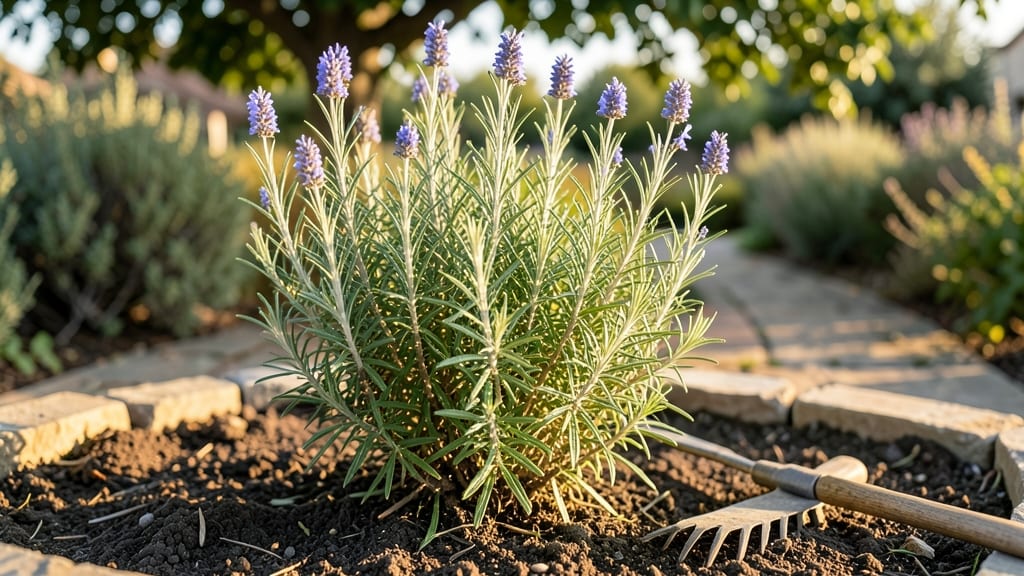
Rosemary is an evergreen plant, meaning it retains its needle-like leaves year-round in warm climates, though it may drop foliage in freezing temperatures. Its woody stems and aromatic foliage thrive in Mediterranean conditions but can be pruned to encourage regrowth in colder regions.
This evergreen classification means rosemary's leaves stay vibrant through all seasons where temperatures rarely dip below 20°F. 🌿 Unlike deciduous herbs that shed leaves annually, rosemary's needle-like foliage continues photosynthesis year-round in mild climates, though it may enter dormancy during harsh freezes.
The plant's hardy nature makes it perfect for Mediterranean gardens but requires protective measures in colder zones.
What sets rosemary apart is its ability to regrow from woody stems even after heavy pruning. This makes it more resilient than many other perennial herbs. For gardeners in cooler regions, understanding these traits helps maintain rosemary's signature green appearance through creative growing techniques like container culture or winter mulching.
💡 In This Article
- Why Rosemary Stays Green: Botanical Traits of Evergreen Plants
- Growing Rosemary Year-Round: Climate and Care Tips
Why rosemary stays green: botanical traits of evergreen plants
Rosemary's evergreen nature stems from its specialized leaf structure designed for year-round photosynthesis. Unlike broadleaf plants that lose foliage seasonally, rosemary's narrow, needle-like leaves have a thick cuticle layer that reduces water loss—critical for Mediterranean climates where summer droughts are common.
These leaves also contain high concentrations of essential oils, particularly 1,8-cineole and camphor, which act as natural antifreeze compounds that protect cellular membranes during mild cold snaps.
The plant's woody stems play a crucial role too. Rosemary's stems store nutrients and water, allowing it to sustain foliage through dry periods. This contrasts sharply with deciduous herbs like basil, which shed leaves annually to conserve energy during winter dormancy.
Even in USDA Zone 8 (where winter lows reach 10-20°F), rosemary can maintain green leaves if protected, though temperatures below 20°F typically trigger leaf drop. The plant's ability to regenerate from these woody stems makes it uniquely resilient among culinary herbs.
What makes rosemary's evergreen status remarkable is its photosynthesis efficiency. The leaves contain specialized cells called resin ducts that house aromatic compounds, which may also help regulate internal temperatures. This system allows rosemary to continue limited photosynthesis even when temperatures dip, unlike many evergreens that enter complete dormancy.
The result? A plant that smells fresher and stays greener longer than most herbs in similar climates.
Comparing rosemary to other Mediterranean evergreens like thyme reveals another key adaptation: its deep root system. Rosemary roots can extend 3-5 feet deep, accessing moisture and nutrients that surface roots can't reach.
This vertical growth pattern helps the plant survive both drought and mild winters. In contrast, oregano—another perennial herb—has shallower roots and often loses foliage in colder winters unless heavily mulched.
The evergreen classification also means rosemary's leaves remain rich in volatile oils year-round. These oils aren't just for aroma—they contain antioxidant compounds that protect the plant's cellular structure during seasonal stress.
When you harvest rosemary, you're getting leaves that have maintained their full chemical profile through months of growth, which is why it retains its signature piney-fresh scent even in winter.
For gardeners, this botanical resilience translates to practical benefits. Rosemary's ability to photosynthesize continuously means it can produce new growth from old wood, unlike many plants that require fresh growth from current season stems.
This makes it ideal for topiary shapes that maintain their form for years without needing annual pruning back to new growth.