
Planting
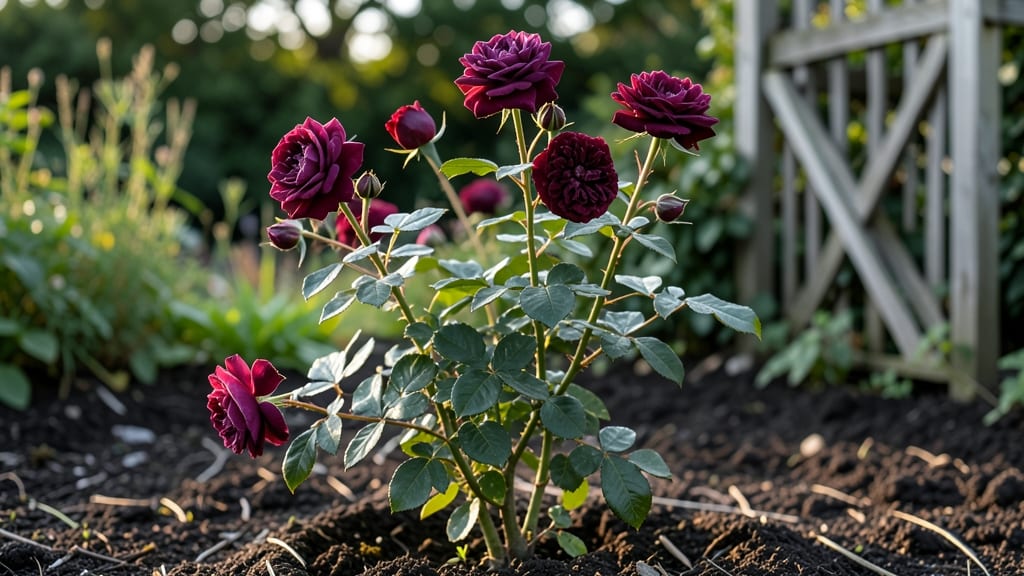
The jacobs coat rose plant brings a burst of velvety foliage and dreamy pink, white, and yellow blooms to your garden, turning it into a fragrant, ever-changing sanctuary from spring to frost. 🌸 I’ve nurtured mine for years, and the secret lies in mimicking its natural habitat with just a few key adjustments.
The real magic happens when you pair it with well-draining soil and full sun (at least 6 hours daily). My plants thrive in a mix of compost and native soil, and I water deeply once a week—more in summer, less in winter.
The foliage stays lush, and the blooms? They’re impossible to resist, filling the air with a sweet, intoxicating scent.
Pruning in late winter keeps the plant vigorous and encourages those year-round blooms. Just trim back dead wood and shape lightly—this rose rewards patience with nonstop color. I’ve even seen mine bloom lightly in winter when temperatures dip, though a light frost can slow things down.
Watch for black spot or aphids, but a spray of neem oil usually clears them up. With the right care, your Jacobs Coat will climb, bloom, and become the star of your garden—just like mine has. Ready to give it a try?
📚 In This Guide
- What you need
- Instructions
- Tips and common mistakes
- Wrapping up and next steps
What you need
- ● Jacobs Coat Rose Plant: 1 bare-root or potted rose (ensure it’s disease-resistant and healthy).
- ● Planting Hole: Dig a hole twice as wide and slightly deeper than the root ball.
- ● Well-Draining Soil: Mix garden soil with compost or aged manure (50/50 ratio) for nutrients.
- ● Rose Fertilizer: 1 lb of balanced rose fertilizer (10-10-10 or similar) or organic options like bone meal.
- ● Mulch: 2–3 inches of wood chips or pine bark to retain moisture and suppress weeds.
- ● Support Structure: A trellis, arbor, or sturdy fence (6–8 ft tall) for climbing.
- ● Watering Can or Hose: With a gentle spray nozzle for hydration.
- ● Pruning Shears: Sharp, sterilized shears (disinfect with rubbing alcohol).
- ● Gloves & Long Sleeves: To protect from thorns and sun exposure.
- ● Epsom Salt: 1 tbsp mixed into soil at planting for magnesium boost.
- ● Rose Food Spikes: Slow-release granules for convenience.
- ● Pest Control: Neem oil or insecticidal soap for aphids/beetles.
- ● Drip Irrigation System: For automated watering (great for busy gardeners!).
- ● Decorative Stakes: To mark planting spots and add garden flair.
Step-by-Step instructions for planting and caring for Jacobs Coat roses
This fragrant climber thrives with the right approach—here’s how to set it up for year-round blooms.
🌱 Step 1: Choose the Perfect Planting Location
Jacobs Coat roses need full sun—at least 6-8 hours daily—to produce their signature vibrant blooms. I always pick a spot against a south- or west-facing wall or fence, where they’ll get afternoon warmth. The plant’s climbing habit means it’ll reach 8-10 feet tall, so ensure there’s sturdy support nearby.
Check the soil drainage before planting. Jacobs Coat roses hate soggy roots, so if your yard holds water after rain, amend the soil with 1-2 inches of compost mixed into the top 12 inches. A well-draining, slightly acidic soil (pH 6.0-6.5) keeps the plant healthy and flowering.
🪴 Step 2: Plant with Proper Spacing and Support
Dig a hole twice as wide as the root ball but no deeper—this prevents water from pooling around the roots. Gently loosen the roots if they’re circling and position the plant so the graft union (the bump near the base) sits 2-3 inches above soil level. This protects the rose from disease and encourages strong growth.
Install a trellis, arbor, or sturdy wire cage immediately—Jacobs Coat roses grow fast and need support from day one. Space plants 3-4 feet apart to allow airflow and reduce disease risk. Water deeply after planting to settle the soil and remove air pockets around the roots.
☀️ Step 3: Water and Fertilize for Continuous Blooms
Keep the soil consistently moist but never waterlogged. Jacobs Coat roses need 1-1.5 inches of water weekly, more in hot climates. Water at the base in the morning to reduce fungal diseases—wet leaves overnight invite black spot. You’ll know you’re doing it right when the soil feels damp 2 inches down.
Feed with a balanced rose fertilizer (10-10-10) every 4-6 weeks during the growing season (spring through fall). In early spring, add a high-phosphorus fertilizer (5-10-5) to encourage blooming. Stop fertilizing in late summer to harden the plant for winter.
✂️ Step 4: Prune for Shape and Health
Prune Jacobs Coat roses in early spring before new growth begins. Remove dead, diseased, or crossing branches first—this keeps air circulating. Then, cut back last year’s growth by one-third to encourage bushier, more vigorous growth. Always make cuts at a 45-degree angle just above an outward-facing bud.
Throughout the season, deadhead spent blooms to redirect energy into new flowers. I also trim any leggy stems to maintain the plant’s compact shape. Jacobs Coat roses bloom repeatedly, so regular pruning keeps them looking tidy and flowering nonstop.
⏰ Step 5: Protect for Winter and Encourage Year-Round Blooms
In fall, reduce watering and stop fertilizing to prepare the plant for dormancy. Once temperatures drop below 40°F, mound 4-6 inches of mulch around the base to insulate the roots. Wrap the canes loosely with burlap or rose cones for extra protection in cold climates.
In early spring, remove the winter wrap and prune as directed. Jacobs Coat roses are surprisingly cold-hardy (zones 5-9), but a little extra care ensures they rebound quickly. With consistent care, you’ll enjoy their fragrant blooms from late spring through fall—and sometimes even winter in mild climates.
Tips & tricks for perfect Jacobs Coat rose planting
Here's what I wish I'd known when I first planted Jacobs Coat roses—these little details make all the difference for that signature fragrance and lush growth.
Sunlight Strategy: That 6-8 hours of sun requirement isn't just about quantity—it's about quality. I've found the afternoon sun (after 2 PM) is most crucial for those deep red blooms. If your location gets afternoon shade, consider a trellis against a south-facing wall where the roses can stretch toward the sun's peak intensity. The plant's climbing habit means you can train it to reach optimal light even in tricky spaces.
Root Ball Rescue: When you're loosening those circling roots in Step 2, don't just pull them apart—score the bottom of the root ball with your fingers first. This creates tiny entry points for new root growth right away. I learned this after seeing my first plant struggle for months with bound roots, and it's made a huge difference in how quickly they establish themselves.
Watering Wisdom: The 1-1.5 inches weekly guideline works perfectly in moderate climates, but here's the secret: water deeply but infrequently. I've found that one thorough watering every 5-7 days (rather than daily light watering) encourages deeper root growth. You'll know you're doing it right when you can push your finger 2 inches down and feel moisture—but no puddles at the surface.
Winter Prep: That 40°F threshold is your cue to act, but don't wait until the first frost. I start my winter prep when nighttime temps consistently dip to 50°F—about 2 weeks before the official frost date in my zone. This gradual hardening off prevents shock when the cold really hits. And when you're mounding that 4-6 inches of mulch, make it 6 inches if you're in zone 5—those extra inches make all the difference in survival.
Pro Tips for Jacobs Coat Rose Plant
- Here's what I wish I'd known when I first planted Jacobs Coat roses—these little details make all the difference for that signature fragrance and lush growth.
- Sunlight Strategy: That 6-8 hours of sun requirement isn't just about quantity—it's about quality.
- Root Ball Rescue: When you're loosening those circling roots in Step 2, don't just pull them apart—score the bottom of the root ball with your fingers first.
Frequently asked questions
Got questions about growing the stunning Jacobs Coat Rose Plant? You’re not alone!
Here are answers to the most common queries—from pruning to pests—to help you master this fragrant climber with ease.
How often should I water my Jacobs Coat Rose?
Water deeply 1-2 times per week during the first growing season to establish roots, then taper to once a week (or more in extreme heat). Key tip: Always water at the base—avoid wetting leaves to prevent fungal diseases like black spot.
When is the best time to prune Jacobs Coat Roses?
Prune late winter or early spring (before new growth starts) to shape the plant and encourage blooms. Pro move: Remove dead, crossing, or weak branches first, then cut back remaining stems by 1/3 for a bushier, healthier plant.
What pests commonly attack Jacobs Coat Roses, and how do I treat them?
Watch for aphids, spider mites, and rose slugs. For mild infestations, spray with neem oil or insecticidal soap. Severe cases? Try a horticultural oil or introduce ladybugs (nature’s pest control!).
Can Jacobs Coat Roses grow in containers, or do they need a garden bed?
Yes! They thrive in large containers (15+ gallons) with well-draining soil and support for climbing. Container tip: Use a trellis or obelisk and fertilize monthly during blooming season for best results.
Why aren’t my Jacobs Coat Roses blooming?
Lack of blooms often signals over-pruning, poor nutrition, or insufficient sunlight. Fix it: Ensure 6+ hours of sun daily, feed with rose-specific fertilizer (high in phosphorus), and avoid heavy pruning in fall.
Wrapping up and next steps
The Jacob’s Coat Rose is a fragrant gem that rewards gardeners with year-round beauty and low-maintenance charm. Whether you’re drawn to its vibrant blooms or its hardy nature, this climber proves that stunning gardens don’t require endless effort—just a little patience and love.
Ready to transform your space? Start by selecting a sunny spot, gathering your supplies, and planting with confidence! 🌸✨
- Next step: Mark your calendar for spring or early fall—ideal times to plant—and watch your Jacob’s Coat Rose thrive!