
Pruning
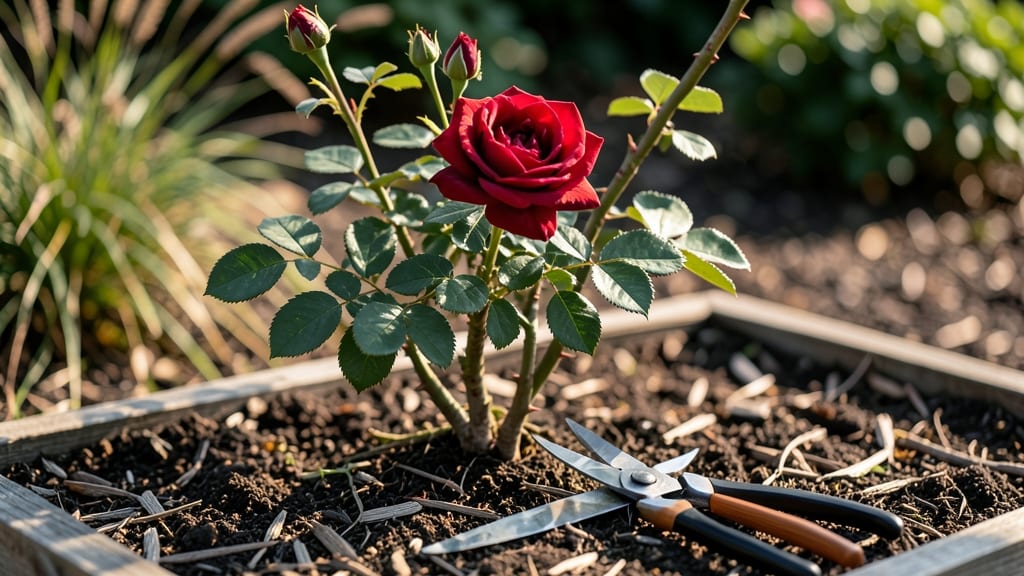
Pruning a rosebush isn't just about cutting branches—it’s about unlocking a bush that bursts with blooms all season. 🌹 I’ve learned the hard way that skipping this step means fewer flowers and more tangled, weak growth.
The secret lies in timing, technique, and knowing what to cut (and what to leave). You’ll need sharp pruners, a saw for thick stems, and a clear day to work. The goal? Shape the bush, remove dead wood, and encourage new growth where you want it.
Most roses bloom best when pruned in four key seasons, but the late winter/early spring trim is the most critical—it sets the stage for the entire year. By the end, your rosebush will look neater, stronger, and more productive than ever.
You’ll see fresh green shoots within weeks, and those blooms will come thicker and more vibrant. The key is patience—don’t rush, and always cut at a 45-degree angle just above an outward-facing bud. This method works for hybrid teas, floribundas, and even old garden roses.
Let’s get those shears ready and transform your bush into a blooming powerhouse!
📚 In This Guide
- What you need
- Instructions
- Tips and common mistakes
- Wrapping up and next steps
What you need
- ● Pruning shears: Bypass pruners (sharp, clean, and not dull!) for cutting small stems (up to ½ inch thick). Quantity: 1 pair.
- ● Loppers: For thicker stems (½ to 1½ inches). Look for bypass-style loppers with long handles (20–24 inches) for leverage. Quantity: 1 pair.
- ● Pruning saw: For stems thicker than 1½ inches. A bow saw or curved pruning saw works best. Quantity: 1.
- ○ Disinfectant (optional but recommended): Rubbing alcohol (70% isopropyl) or a pruning sealant (like Tanglefoot Pruning Seal) to prevent disease spread. Quantity: Small bottle.
- ● Gloves: Heavy-duty, cut-resistant gloves (thorns are no joke!). Quantity: 1 pair.
- ● Garden twine or zip ties: To secure large branches if needed. Quantity: Small roll.
- ● Trash bag or bucket: For collecting pruned debris. Quantity: 1–2.
- ● Hand pruners with a bypass blade (for precision cuts on small branches).
- ● Lubricant for tools (e.g., silicone spray) to keep blades sharp and rust-free.
- ● Knee pads (if you’ll be kneeling for extended periods).
- ● Safety glasses (to protect against flying debris).
- ● Notebook & pen (to jot down notes on your rosebush’s progress).
Step-by-Step guide to pruning a rosebush seasonally
Here's how I keep my roses blooming all year—just follow these four seasonal cuts.
✂️ Step 1: Late Winter Pruning (Before Bud Break)
This is the most critical trim, and I always do it when the weather is still chilly—around mid-February to early March—but before you see any green buds swelling on the stems. Grab your pruners and start by removing any dead, diseased, or crossing branches first. These are the ones that never bloomed last year or look blackened and mushy.
Next, cut back last year's growth by about one-third to half its length. Look for an outward-facing bud (about ¼ inch in size) and make your cut just above it at a 45-degree angle. This angle helps water run off the stem instead of pooling and rotting the cut. I like to leave 3-5 strong canes per bush—this encourages better airflow and fewer pests.
☀️ Step 2: Light Summer Pruning (After First Bloom)
Once your roses finish their first big flush of blooms—usually around late June—it's time for a quick maintenance trim. This isn't about drastic cuts; instead, focus on removing any spent blooms and leaves that are yellowing or diseased. I also look for any branches that grew too long or leggy during the spring and cut them back by about one-third to encourage bushier growth.
Here's the thing—don't cut into old wood (the brown, woody stems). You'll know you're cutting too far back if you see only bare, brown stems without any green growth. Just trim back to where you see fresh green leaves or buds. This keeps the rosebush looking tidy and sets it up for a second round of blooms later in the summer.
✂️ Step 3: Post-Bloom Cleanup (Late Summer)
After your roses finish their second big bloom—usually around mid-August—it's time for another cleanup. This time, remove all the dead flowers and any branches that look tired or overcrowded. I also cut back any suckers (those ugly, skinny shoots growing from the base of the bush) to the ground. These suckers drain energy from your rosebush and can lead to weak growth.
This is also a great time to thin out any branches that are rubbing against each other. Two branches touching can create wounds where pests and diseases love to hide. Make your cuts just above an outward-facing bud, and always use clean, sharp pruners. Dirty or dull blades can tear the stems and leave jagged edges that heal poorly.
🌿 Step 4: Fall Pruning (After First Frost)
Once the first frost hits and the rosebush goes dormant—usually around October or November—give it one last trim. Remove any dead, diseased, or weak branches first. Then, cut back the remaining canes by about one-third to help the bush stay compact over winter. Avoid heavy pruning now, though—you don’t want to encourage new growth that could get damaged by frost.
After pruning, I like to give the base of the rosebush a good mulch layer (about 2-3 inches of organic mulch like shredded leaves or wood chips). This helps protect the roots from freezing temperatures. Avoid piling mulch right against the stems, though—leave a 2-inch gap to prevent rot. This final trim keeps the rosebush healthy and ready to burst back into bloom next spring.
Tips & tricks for perfect rosebush pruning
These small adjustments will make all the difference in keeping your roses healthy and blooming beautifully year after year.
Bud Identification: When making cuts in Step 1 and Step 3, always look for outward-facing buds—these are about ¼ inch in size and positioned at a 45-degree angle from the stem. I can't stress this enough: outward-facing buds grow away from the center, creating a more open, airy bush that resists disease. If you're unsure which buds are facing outward, imagine drawing a line straight up from the bud—if it points toward the center of the bush, it's facing inward and should be avoided.
Pruner Maintenance: Clean and sharpen your pruners before each pruning session, especially during Step 1 and Step 3. Dirty or dull blades can tear stems instead of making clean cuts, which creates entry points for pests and diseases. I keep a small bottle of rubbing alcohol and a fine-grit sharpening stone in my gardening toolbox. After each use, I wipe down the blades and hone them—it takes just a minute but prevents years of problems.
Seasonal Timing: The timing windows in Steps 1-4 are critical for healthy growth. For Step 1, wait until you see the first signs of bud swell but haven't broken yet—this usually happens when daytime temperatures consistently reach the mid-50s°F. For Step 4, wait until after the first hard frost when the plant is fully dormant. I check my local frost dates and mark these windows on my calendar so I never miss them.
Mulch Application: When adding your 2-3 inch mulch layer in Step 4, use organic materials like shredded leaves or wood chips. These break down over time, adding nutrients to the soil. I always create a 2-inch gap between the mulch and the stems to prevent rot. Pro tip: If you notice mulch piling up against the stems during the season, simply rake it away to maintain that crucial air gap.
Pro Tips for Prune A Rosebush
- These small adjustments will make all the difference in keeping your roses healthy and blooming beautifully year after year.
- Bud Identification: When making cuts in Step 1 and Step 3, always look for outward-facing buds—these are about ¼ inch in size and positioned at a 45-degree angle from the stem.
- Pruner Maintenance: Clean and sharpen your pruners before each pruning session, especially during Step 1 and Step 3.
Frequently asked questions
Got questions about pruning your rosebush? You’re not alone! Here are answers to the most common concerns—whether you're a first-timer or a seasoned gardener looking for a refresher.
When is the best time to prune a rosebush?
The ideal times are late winter (just before new growth starts) and after the first flush of blooms in spring. Light trims can happen in summer to encourage reblooming, but avoid heavy pruning after mid-summer—it can stress the plant before winter. For climbers and ramblers, prune after flowering.
How do I know if I’m cutting too much?
Never remove more than 1/3 of the plant’s total growth in a single session. Look for outward-facing canes (they encourage airflow) and avoid cutting into old wood (gray/brown stems). If you see bare stems or excessive leaf loss, you’ve likely pruned too aggressively. Roses bounce back, but moderation is key!
What if my rosebush bleeds sap after pruning?
Sap bleeding (a sticky, watery ooze) is normal and harmless—it’s the plant’s way of sealing wounds. To minimize it, prune on a dry, cool day (not hot/humid) and use clean, sharp tools. If sap bothers you, dip cuts in pruning sealant or even beer (yes, really—it helps deter pests!).
Can I prune roses in fall or winter?
Light pruning in fall (after leaves drop) is fine to remove dead/diseased wood, but avoid heavy cuts—roses need energy to harden off for winter. In winter, prune only if branches are damaged by ice or snow. Wait until late winter (just before buds swell) for the main pruning session to avoid frost damage.
What should I do if my rosebush isn’t blooming after pruning?
Check these fixes:
- Sunlight: Roses need 6+ hours of direct sun daily.
- Fertilizer: Use a balanced rose fertilizer (10-10-10) in spring.
- Watering: Deep water 1–2 inches per week (drought stress = fewer blooms).
- Pruning style: Hybrid teas and floribundas need hard pruning; climbers/ramblers bloom on old wood—prune lightly.
Wrapping up and next steps
Pruning your rosebush doesn’t have to be intimidating—just a little seasonal care can transform it into a thriving, beautiful plant year after year! 🌹 With the right tools, timing, and technique, you’ll encourage healthier blooms, stronger growth, and fewer pests.
Now that you’re armed with the when, why, and how, it’s time to roll up your sleeves and give your roses the TLC they deserve.
Ready to take the next step? Start small—pick one season’s trim to practice, then gradually build your confidence. Before you know it, your rosebush will be the star of your garden! 🌱