
Pruning
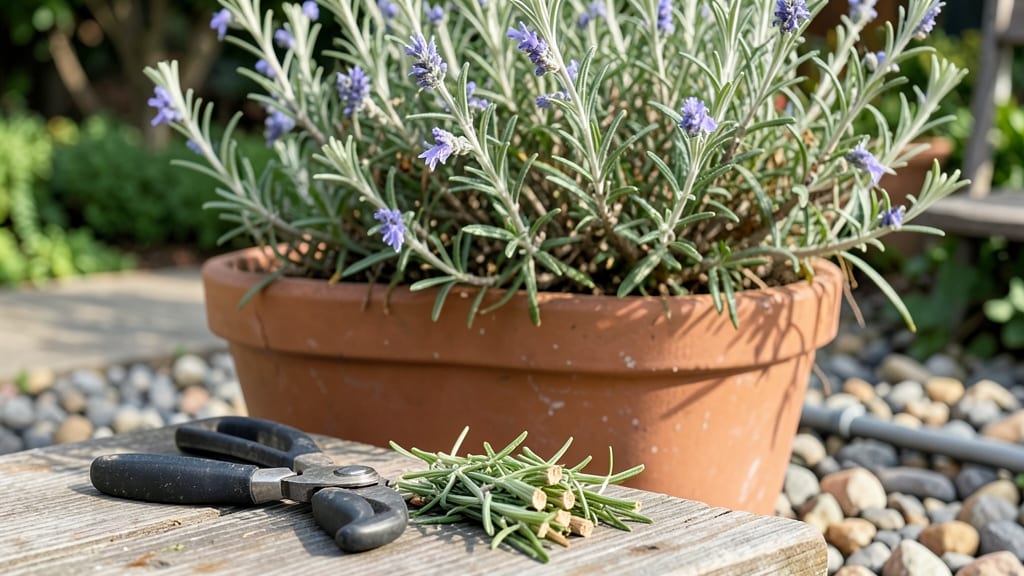
Cutting back your rosemary plant isn’t just about tidying up—it’s the secret to keeping your herb vibrant, bushy, and packed with flavor all year long. 🌿 I’ve learned the hard way that skipping this step leads to leggy, woody stems that lose their signature piney aroma.
The right cuts encourage fresh growth while preserving that signature rosemary scent we all love. Start with clean, sharp pruners and focus on shaping the plant in early spring or after harvests. Never cut into old, woody stems—those won't regrow.
Instead, trim just above leaf nodes where new growth can sprout. This simple technique keeps your rosemary compact, productive, and full of those fragrant needles we use in everything from roasts to homemade bread.
You'll notice new shoots emerging within 2-3 weeks, and the plant stays lush and green instead of turning into a sad, sprawling mess. The flavor stays strong because you're encouraging fresh, aromatic growth rather than letting the plant get overgrown and tough.
Works for both potted rosemary and in-ground plants, and the same principles apply whether you're growing upright varieties or trailing types. Let's get those shears ready!
📚 In This Guide
- What you need
- Instructions
- Tips and common mistakes
- Wrapping up and next steps
What you need
- ● Pruning shears or sharp bypass pruners: Choose a pair with sterilized, sharp blades (4-6 inch blades work well for most rosemary plants). Avoid dull tools—they can crush stems and invite disease. 💡 Pro tip: Clean blades with rubbing alcohol between cuts!
- ● Hand pruners (for smaller branches): A pair with ergonomic grips for precision work (e.g., Felco or Fiskars).
- ○ Gloves (optional but recommended): Wear gardening gloves to protect your hands from thorns and rough stems. Lightweight, breathable fabric (like cotton or nitrile-coated) works best.
- ● Disinfectant (e.g., 1-part bleach to 9-parts water): For sterilizing tools before and after pruning to prevent bacterial/fungal spread.
- ● Pruning saw (for thick, woody stems): Only needed if your rosemary has overgrown, hardened branches (e.g., 8-10 inch bow saw).
- ● Rake or leaf blower: For clearing away debris after pruning (especially useful for large or potted rosemary).
- ● Plant food or compost: A balanced fertilizer (10-10-10) or organic compost to nourish the plant post-pruning.
- ● Markers or flags: Small stakes or labels to mark areas for future growth if you’re shaping the plant.
- ● Watering can or hose with a gentle nozzle: To hydrate the plant after pruning (avoid soaking the foliage).
Instructions for cutting back rosemary plants
Here's how to keep your rosemary bushy and thriving year-round with minimal effort.
✂️ Step 1: Identify and Remove Dead or Overgrown Growth
Start by inspecting your rosemary plant for any brown, woody stems or branches that have stopped producing new growth. These are your first targets—dead wood doesn't come back, and removing it lets the plant focus its energy on fresh, healthy stems. Use sharp pruning shears to cut these stems back to where they meet the main stem or the base of the plant.
I like to work in small sections, making clean cuts just above a set of healthy leaves or a leaf node. This ensures the plant has a clean starting point for new growth. If you're unsure which stems are dead, gently scratch the bark with your fingernail—if it's green underneath, it's still alive and worth keeping.
✂️ Step 2: Prune to Encourage Bushier Growth
Now focus on shaping the plant by cutting back the longest stems to about 3-4 inches from the base. This might sound drastic, but rosemary responds beautifully to this kind of pruning. You're essentially telling the plant, "Grow wider, not taller." Make your cuts at a slight angle, just above a leaf node or set of leaves, to encourage new growth to sprout from that point.
Here's the thing—rosemary grows in a woody, almost shrub-like manner, so it can handle more aggressive pruning than you might think. If your plant looks leggy or sparse, don't hesitate to cut back up to one-third of its height. Just avoid cutting into the old, bare wood at the very center of the plant—this is the "heartwood" and won't regrow.
🌿 Step 3: Trim for Airflow and Light Penetration
Next, focus on the inner parts of the plant where branches might be crowding together. Thin out any stems that are growing inward or crossing over others. This step is all about improving airflow and light penetration, which keeps the plant healthy and prevents fungal issues. Aim to create an open, airy shape—think of it like giving your rosemary a little "haircut" to let it breathe.
You'll notice that as you trim, the plant starts to look fuller and more balanced. Cutting back the overgrowth also makes it easier to spot any pests hiding in dense foliage. If you find any yellowing or diseased leaves during this process, remove them immediately and dispose of them away from the plant to prevent spreading.
⏰ Step 4: Finish with a Light Cleanup
After pruning, take a moment to tidy up the area around your rosemary. Remove any fallen leaves or small twigs from the soil surface—these can harbor pests or diseases. If your rosemary is in a container, this is also a great time to check the drainage holes and ensure water isn't pooling at the bottom, which can lead to root rot.
Finally, give your rosemary a light watering to help it recover from the pruning. You won't need to fertilize right away—rosemary prefers lean soil and too much fertilizer can actually harm it. Instead, wait a few weeks and then give it a balanced, water-soluble fertilizer if you notice new growth slowing down.
Tips & tricks for perfect rosemary pruning
These simple tricks will help you prune your rosemary like a pro while keeping it healthy and thriving.
Pruning Tool Tip: Always use sharp pruning shears—not dull scissors or your kitchen knife. Dull tools crush stems instead of making clean cuts, which can damage the plant and invite disease. I keep a small pair of bypass pruners just for my herbs, and they last years with proper care. A quick wipe with rubbing alcohol between cuts keeps them sanitary too.
Seasonal Timing Secret: The best time to prune rosemary is in early spring, right as new growth begins. This gives the plant plenty of time to recover before winter. If you need to prune outside this window, avoid cutting back more than one-third of the plant's height at any other time—rosemary is tough but still needs time to adjust. For container-grown rosemary, you can prune lightly throughout the growing season.
Visual Growth Cues: When shaping your rosemary in Step 2, look for the little leaf buds at the base of stems—these are where new growth will emerge. Cut just above these buds at a slight angle (about ¼ inch above) to encourage bushier growth. If you're unsure where to cut, imagine drawing an invisible line connecting the leaf buds—this is your guide for making clean, effective cuts. The goal is to create a rounded shape that lets light reach all parts of the plant.
Pest Prevention: After pruning, collect all the trimmings and dispose of them in a sealed bag rather than composting them directly in the garden. Rosemary trimmings can harbor pests like spider mites, and composting them near your plant risks reinfesting it. If you notice any pests during pruning, give the plant a quick rinse with water to dislodge them before they settle in for the summer.
Pro Tips for Cutting Back Rosemary Plant
- These simple tricks will help you prune your rosemary like a pro while keeping it healthy and thriving.
- Pruning Tool Tip: Always use sharp pruning shears—not dull scissors or your kitchen knife.
- Seasonal Timing Secret: The best time to prune rosemary is in early spring, right as new growth begins.
Frequently asked questions
Got questions about trimming your rosemary?
Here are the answers to the most common ones—so you can keep your plant thriving without the guesswork!
When is the best time to cut back a rosemary plant?
The ideal time is late winter or early spring (just before new growth starts) or after flowering in summer. Avoid heavy pruning in fall—rosemary needs time to harden off before winter. For container-grown plants, you can trim lightly year-round to encourage bushiness.
How much can I trim off without harming the plant?
Never cut back more than one-third of the plant at a time. For mature rosemary, aim to remove 1/3 to 1/2 of the oldest growth to promote new, vibrant shoots. Over-pruning can stress the plant, especially in hot climates.
What if my rosemary looks leggy after cutting? How do I fix it?
Leggy rosemary is a sign it needs more light or pruning. Move it to a sunnier spot (at least 6–8 hours of sunlight daily) and trim just above a leaf node (where leaves meet the stem) to encourage fuller growth. Avoid cutting into woody stems—focus on soft, green growth.
Can I cut back rosemary in winter? What about frost?
Light pruning in mild winters (below freezing but not extreme) is fine, but avoid heavy cuts if frost is expected. Rosemary is drought-tolerant but not frost-tolerant—protect potted plants with burlap or move them indoors if temps drop below 20°F (-7°C). Wait until spring to prune if frost is likely.
What should I do with the cuttings?
Don’t toss those trimmings! Use them for flavorful cooking (sprigs in soups, roasts, or garnishes) or propagate new plants. Dip cuttings in rooting hormone, plant in well-draining soil, and keep them moist until roots form (about 4–6 weeks). Perfect for free rosemary bushes!
Wrapping up and next steps
Cutting back your rosemary plant isn’t just about tidying up—it’s the secret to a thriving, lush, and productive herb year after year! 🌿 With the right tools, timing, and techniques, you’ll encourage new growth, prevent woody stems, and even boost flavor.
Whether you’re pruning for health or harvest, remember: confidence comes with practice, so don’t hesitate to get your hands dirty.
Ready to take the next step? Experiment with different pruning styles—like shaping for aesthetics or harvesting for culinary use—and watch your rosemary flourish. Grab your shears and give it a try today! Your kitchen (and garden) will thank you!