Blooming
How to get salvia to bloom again—your plants are practically whispering for another chance, and the solution is simpler than you’d think. 🌿 The secret to coaxing those vibrant blooms back isn’t complicated: it’s about timing, pruning, and feeding. I’ve nursed my own salvia back from a single bloom to a full second flush, and the key steps are simpler than you’d think—no magic involved, just smart care.
Most salvia stop blooming because they’ve spent all their energy on flowers and now look ragged. The fix starts with deadheading spent blooms (snip just above the next set of leaves) and fertilizing with a balanced formula.
Too much shade or inconsistent watering can also stall blooms, but these tweaks get them back on track. I’ve seen plants rebound in as little as 3-4 weeks with the right approach.
By late summer, you’ll notice fresh buds forming along the stems—proof the plant is responding. The blooms won’t be as dense as the first flush, but they’ll last longer and often produce stunning color variations.
This second wave is your reward for paying attention to what the plant truly needs.
Works for both perennial and annual salvia, whether in garden beds or containers. The same principles apply—just adjust the timing for your climate. Let’s get those stems blooming again!
📚 In This Guide
- What you need
- Instructions
- Tips and common mistakes
- Wrapping up and next steps
What you need
- ● Pruning shears or sharp scissors – Sterilized (rubbing alcohol wipe) to avoid disease transfer. Note: Avoid dull tools that crush stems.
- ● Well-draining potting mix – 10-15 gallons (for container plants) or enrich topsoil (for in-ground) with compost (50% mix ratio). Pro tip: Salvia hates soggy roots—amend clay soil with perlite or sand.
- ● Balanced fertilizer – 10-10-10 or 20-20-20 (granular or liquid). Dosage: 1 tbsp per gallon of water (liquid) or 1 lb per 100 sq ft (granular).
- ● Slow-release fertilizer – Osmocote (14-14-14) or coffee grounds (for organic lovers). Apply: 1 cup per plant, worked into top 2 inches of soil.
- ● Mulch – 2-3 inches of shredded bark, straw, or pine needles to retain moisture and regulate temps.
- ● Watering can or hose with adjustable nozzle – Deep watering (1-2 inches per week) is key; avoid overhead sprinklers to prevent fungal issues.
- ● Epsom salt – 1 tbsp dissolved in 1 gallon of water (monthly foliar spray for magnesium boost). 💡 Great for yellowing leaves!
- ● Fish emulsion or seaweed extract – 1 tsp per gallon for a natural growth surge.
- ● Plant supports (stakes or cages) – If your salvia flops after deadheading (common in tall varieties like Salvia nemorosa).
- ● Pruning paste – Seal cuts larger than ½ inch to prevent disease.
- ● Garden gloves – Because nobody wants thorny salvia scratches! 😅
Step-by-Step guide to encouraging salvia to bloom again
Here's how to coax your salvia back into vibrant bloom—it's all about timing, trimming, and feeding.
✂️ Step 1: Deadhead Spent Blooms Immediately
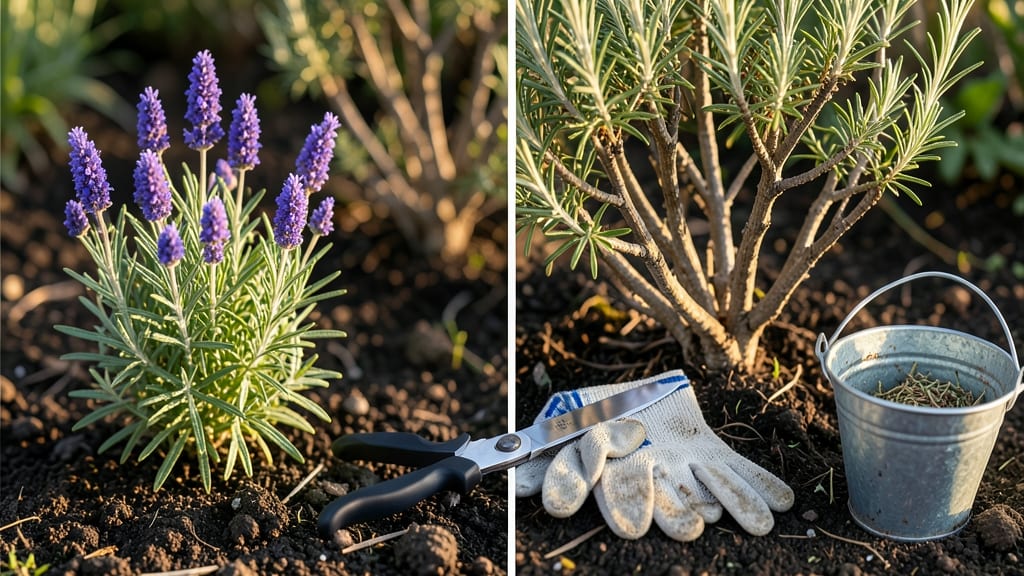
As soon as you notice flowers wilting, snip the entire spent bloom stalk back to the first set of healthy leaves below. I use clean, sharp pruners to avoid crushing stems—this prevents disease and encourages fresh growth. Never leave any flower stems behind; they signal the plant to stop producing blooms and focus on seed development instead.
Watch for new buds forming at the base of the stem within 7-10 days. These will develop into your second flush of flowers. If your salvia has already finished flowering for the season, don't worry—just focus on maintaining healthy foliage for next year's growth.
💧 Step 2: Adjust Watering for Post-Bloom Recovery
After deadheading, reduce watering slightly to let the soil dry out between waterings. Salvia thrives in well-draining soil, and overwatering after blooming can cause root rot or leggy growth. Stick your finger 1-2 inches into the soil—if it feels damp, wait another day before watering.
This is also the perfect time to mulch around the base with 1-2 inches of organic mulch. It helps retain moisture while preventing weeds that compete for nutrients. I like to use shredded bark because it breaks down slowly and adds organic matter to the soil over time.
☀️ Step 3: Provide Balanced Fertilizer for New Growth
Feed your salvia with a balanced, water-soluble fertilizer (like 10-10-10) diluted to half strength. Apply this every 4-6 weeks during the active growing season to support new flower buds. Avoid high-nitrogen fertilizers—they promote leafy growth at the expense of blooms.
Look for new shoots emerging from the base of the plant. These are your signal that the plant is responding to the fertilizer and preparing for another round of flowering. If you notice yellowing leaves, flush the soil with plain water to prevent salt buildup from fertilizer.
⏰ Step 4: Time Pruning for Seasonal Growth Patterns
For perennial salvia, prune back any dead or damaged stems in early spring before new growth begins. Cut back to about 6-8 inches tall to encourage bushier, more compact growth. This also prevents the plant from becoming woody at the base, which can reduce flowering over time.
If your salvia is an annual, you can be more aggressive with pruning after the first bloom cycle. Cutting back by one-third encourages a second, often even more prolific flush of flowers. Just remember—salvia blooms on old wood, so avoid heavy pruning in late summer or fall.
🌿 Step 5: Monitor Light and Space for Optimal Blooming
Ensure your salvia gets full sun (6-8 hours daily) for best results. If you notice flowers fading quickly or stems stretching, it's a sign the plant needs more light. Move it to a sunnier spot or supplement with a grow light during shorter daylight hours.
Also check for crowding—salvia needs good air circulation to prevent fungal diseases. If plants are touching, gently separate them or thin out the weakest stems. A well-spaced salvia plant will reward you with stronger stems and more abundant blooms in the next cycle.
Tips & tricks for encouraging salvia to bloom again
Real talk: Getting salvia to rebloom takes patience and precision—but these insider tricks make all the difference.
Precision Pruning: When deadheading in Step 1, aim to cut just above a set of healthy leaves where new growth emerges. I've found that using clean, sharp pruners (or even sterilized scissors) prevents tearing stems and reduces the risk of disease. The key is to remove the entire spent bloom stalk—not just the faded flowers—so the plant redirects its energy to new buds rather than seed production. This is why you'll see those new buds appear within the 7-10 day window mentioned in the instructions.
Watering Wisdom: In Step 2, the soil moisture check is critical. I've ruined salvia plants by overwatering after blooming, so I now use a moisture meter to verify the 1-2 inch depth before watering. If your salvia is in a pot, let the top 2-3 inches dry out completely between waterings. This mimics the plant's natural drought tolerance and prevents leggy growth that weakens future blooms.
Fertilizer Timing: For Step 3, I recommend applying that diluted 10-10-10 fertilizer right after deadheading when you first see new shoots emerging. This gives the plant a nutrient boost exactly when it needs it to support new flower buds. I also add a handful of compost to the soil at this time—it provides slow-release nutrients without the risk of salt buildup that can come from over-fertilizing.
Light Check: If your salvia isn't reblooming despite following all steps, check its light exposure. In Step 5, the 6-8 hours of full sun is non-negotiable for salvia. I've had success moving plants to south-facing windows or using LED grow lights for 12-14 hours daily during shorter fall days. Even a few hours less than the recommended sunlight can significantly reduce bloom production.
Pro Tips for Get Salvia To Bloom Again
- Real talk: Getting salvia to rebloom takes patience and precision—but these insider tricks make all the difference.
- Precision Pruning: When deadheading in Step 1, aim to cut just above a set of healthy leaves where new growth emerges...
- Watering Wisdom: In Step 2, the soil moisture check is critical. I've ruined salvia plants by overwatering after bloo...
Frequently asked questions
about reviving your salvia’s blooms—because even the most patient gardeners need a little extra help!When is the best time to deadhead salvia to encourage reblooming?
Deadhead faded blooms as soon as they appear—typically after the first flush of flowers (spring/summer) or when about 20% of the plant has bloomed. For perennial varieties, aim for late summer to early fall to trigger a second wave. Pro tip: Use clean, sharp scissors to avoid damaging stems!
How long does it take for salvia to rebloom after deadheading?
Reblooming timelines vary! With proper care (water, fertilizer, sunlight), you’ll often see new buds in 4–8 weeks. Heat-loving varieties like Salvia nemorosa may take longer in cooler climates. Patience is key—don’t panic if flowers don’t appear immediately!
What if my salvia isn’t reblooming despite deadheading?
Check these common culprits:
- Light: Salvia needs 6+ hours of sun daily.
- Water: Overwatering or drought stress can stall blooms.
- Soil: Poor drainage or nutrient depletion may hinder growth.
- Pruning: Cut too late in the season? Try light trims in early spring instead.
Can I use the same fertilizer for salvia reblooming as I did for the first bloom?
Not quite! Switch to a balanced, low-nitrogen fertilizer (like 10-10-10 or 5-10-10) during reblooming season. High nitrogen promotes foliage over flowers. Bonus: Add a phosphorus-heavy feed (like bone meal) to boost bloom production!
Will salvia rebloom in containers, or is it better in the ground?
Yes! Container-grown salvia can rebloom, but it requires more frequent care:
- Use well-draining potting mix with perlite.
- Water consistently—containers dry out faster.
- Fertilize every 4–6 weeks during the growing season.
Wrapping up and next steps
Getting your salvia to bloom again is all about timing, care, and a little patience! 🌸 By mastering the art of deadheading, feeding, and adjusting light and water, you’ll unlock a second wave of vibrant blooms.
Remember, every plant has its rhythm—listen to it, and don’t hesitate to tweak your approach.
Now that you’re armed with these reblooming secrets, why not share your progress? Snap a photo of your flourishing salvia and tag us—we’d love to see your green thumb in action! 🌿 Plus, consider experimenting with a few new varieties next season for even more color and joy.