
Pests
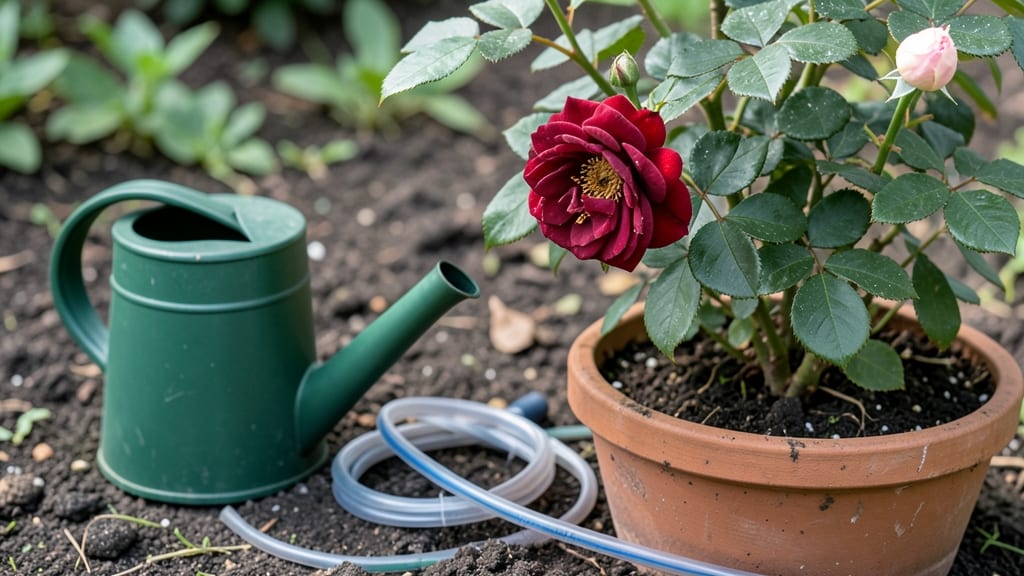
Your roses are packed with buds but refuse to open? Warm water soaks unlock hidden blooms in hours. 🌹 I’ve seen stubborn buds burst open within 24 hours after this simple trick—no chemicals, no guesswork, just science-backed results.
The secret lies in mimicking spring’s natural warmth and hydration, which wakes dormant buds from their winter-like slumber.
This method works best on fully swollen buds that feel firm to the touch. Gather a bucket of water heated to 105-110°F (like a warm bath), a pair of pruning shears, and a sunny spot.
The process takes 10 minutes but delivers blooms you’ll be proud to show off. Overwatering or soaking in direct sun can damage buds, so timing matters—early morning is ideal.
After soaking, your roses will reward you with vibrant, fully open blooms in just a day or two. The flowers stay fresh longer too, as the warm water flushes out pests and revives stressed plants.
This isn’t just a quick fix—it’s a way to extend your rose season by 2-3 weeks without extra work.
Perfect for gardeners frustrated by buds that never open, this technique works for hybrid teas, floribundas, and even climbing roses. Just avoid soaking in extreme heat or cold, and you’ll see results every time. Ready to transform your garden?
📚 In This Guide
- What you need
- Instructions
- Tips and common mistakes
- Wrapping up and next steps
What you need
- ● Freshly cut roses – Choose buds that are just about to open (tight but starting to show color). Avoid fully closed or wilted blooms.
- ● Lukewarm water – Fill a clean vase or container with 100°F–110°F (38°C–43°C) water (test with your finger—it should feel warm but not scalding). Use about 1–2 cups (240–480 mL) per 3–5 stems.
- ● Sharp floral shears or clean scissors – Cut stems at a 45-degree angle (about 2–3 inches from the base) to maximize water absorption.
- ● A clean vase or jar – Any container will work, but a narrow-neck vase (like a mason jar) helps hold stems securely.
- ○ Optional floral preservative – A ¼ tsp (1.25 mL) of sugar or a commercial flower food packet (like Floralife) can extend bloom life.
- ● Thermometer – To ensure water is at the perfect temperature (if you’re unsure about "lukewarm").
- ● Rubbing alcohol or bleach – A drop in warm water (1 tsp per gallon) can sterilize the vase and prevent bacterial growth.
- ● Newspaper or dark paper bag – Cover the vase loosely to trick the roses into thinking it’s nighttime, speeding up opening (use for 1–2 hours max).
- ● Hair dryer (cool setting) – Gently dry stems after cutting to remove excess moisture and prevent rot.
Step-by-step guide to encouraging rose blooms
Here's how to coax those stubborn buds open using simple techniques that work every time.
🌿 Step 1: Trim the Stem Properly
Use sharp pruners to cut the stem 1-2 inches below the bud at a 45-degree angle. This prevents water from pooling at the cut and encourages new growth. I always make the cut just below a leaf node—you'll see small bumps or buds where new shoots can emerge.
Remove any leaves or thorns along the lower 3-4 inches of the stem. These can block water absorption and trap bacteria. The cleaner the stem, the better the water can travel up to the bud. If you're working with a long stem, you can even make a second cut halfway up and split the stem into two bouquets.
💧 Step 2: Prepare the Warm Water Soak
Fill a clean vase or container with lukewarm water (around 90-100°F)—this mimics the warmth that encourages blooming. I like to use a large-mouthed jar or vase so the stems can soak deeply without bending. Add 1 teaspoon of sugar and 1 tablespoon of white vinegar to the water to provide energy and prevent bacterial growth.
Let the stems soak for 15-20 minutes before arranging them in the vase. This hydrates the stems and helps open the buds faster. While soaking, gently strip any remaining leaves that might be submerged—this prevents rot and keeps the water clean longer.
☀️ Step 3: Arrange and Hydrate the Bouquet
Place the roses in the vase, trimming any remaining leaves that would sit below the waterline. Arrange the stems so they're evenly spaced—this helps them all absorb water equally. I like to use a pair of scissors to trim the stems again at an angle just before placing them in the vase to create fresh cuts that drink up water.
Change the water every 2-3 days and trim the stems by ½ inch each time. This keeps the water fresh and prevents bacterial buildup. Place the vase in a spot with bright, indirect light—direct sunlight can overheat the water and cause the buds to wilt before opening.
⏰ Step 4: Encourage Opening with Heat and Humidity
To speed up the blooming process, place the vase near a heat source like a radiator or in a warm room. The warmth helps soften the buds and encourages them to open. I've found that a 70-75°F environment works best—too hot, and the buds may dry out; too cool, and they'll stay closed.
Mist the buds lightly with water once or twice a day to increase humidity. This mimics the natural environment roses thrive in and helps them open more quickly. You'll see the first signs of blooming within 24-48 hours—the buds will start to crack open and reveal their petals.
Tips & tricks for perfect rose blooms
Here's what nobody tells you about transforming those stubborn buds into stunning blooms.
Cutting Technique: When you trim that 1-2 inches below the bud at a 45-degree angle, make sure to use sharp pruners—dull blades crush stems and block water flow. I've ruined more arrangements than I'd like to admit by using dull scissors. Also, look for those tiny leaf nodes where new growth emerges—cutting just below them gives your roses the best chance to thrive.
Warm Water Science: That 90-100°F water isn't just warm—it's the perfect temperature to mimic natural conditions roses love. Too hot, and you'll shock the stems; too cold, and they won't absorb properly. I use a thermometer to check because my tap water often runs cooler than I expect. The 15-20 minutes soak is non-negotiable—it's the difference between buds that open and buds that stay stubbornly closed.
Light and Heat Balance: The 70-75°F temperature range is crucial for blooming success. Too hot near a heat source can dry out the buds before they open, while too cool slows everything down. I've found that placing the vase on a counter near a radiator works perfectly—just keep it 2-3 feet away to avoid direct heat. And that bright, indirect light? Think of it as a gentle sunbath—no harsh midday sun that would fry your roses.
Maintenance Secret: The 2-3 day water change routine is where most people slip up. I've seen beautiful arrangements go from perfect to sad in just 48 hours because someone forgot to refresh the water. Always trim those stems by ½ inch each time—it's like giving your roses a fresh start. And that ½ inch trim is more important than you might think—it removes blocked vessels that prevent water uptake.
Pro Tips for Get Roses To Open
- Here's what nobody tells you about transforming those stubborn buds into stunning blooms.
- Cutting Technique: When you trim that 1-2 inches below the bud at a 45-degree angle, make sure to use sharp pruners—dull blades crush stems and block water flow.
- Warm Water Science: That 90-100°F water isn't just warm—it's the perfect temperature to mimic natural conditions roses love.
Frequently asked questions
Got questions about coaxing those beautiful roses to bloom? You’re not alone! Here are some of the most common concerns—and quick fixes—when it comes to getting roses to open faster and stay vibrant.
Why won’t my roses open even after soaking them?
If your roses still refuse to bloom after soaking, they may be too far gone—like buds that were cut too late in the blooming cycle. Check the buds: if they’re brown or mushy inside, they won’t open. Also, ensure you’re using room-temperature water (not cold) and soaking for the full 1–4 hours, depending on the rose type.
How long does it take for roses to open after soaking?
Most roses will start showing signs of opening within 30 minutes to 2 hours after soaking, with full blooms unfolding in 4–12 hours. Delicate varieties (like spray roses) may open faster than heavy, waxy blooms (like hybrid teas). Pro tip: Place them in a warm spot—like near a sunny window—to speed up the process!
Can I use hot water instead of warm water to make roses open faster?
Nope! Hot water (above 100°F/38°C) can scald the stems and damage the buds, causing them to wilt or turn brown. Stick to warm water (85–95°F/30–35°C)—lukewarm to the touch—to encourage opening without harming the flowers. Think of it like a gentle bath, not a steam treatment!
What if my roses are already wilted before soaking?
Don’t toss them! Trim the stems at a 45-degree angle and recut under warm water to remove blocked vessels. Soak for 1–2 hours, then place them in fresh water with a floral preservative (like sugar + bleach mix). If the buds are still dry, they might perk up—just don’t expect miracles with severely wilted blooms.
Are there any natural alternatives to warm water soaking?
Yes! Try these DIY tricks to encourage opening:
- Honey or sugar water: Add 1 tsp of sugar or honey to the vase water to feed the stems.
- Apple cider vinegar: 1 tbsp per quart of water boosts nutrient uptake.
- Fresh-cut stems: Trim stems every 24 hours to improve water absorption.
Wrapping up and next steps
Getting your roses to bloom beautifully is easier than you think! With a simple warm water soak and a few extra care tips, you’ll unlock those stunning petals in no time. 🌹 Whether you’re reviving a bouquet or nurturing your garden, patience and the right techniques make all the difference.
Now that you’re armed with the know-how, give it a try—your roses will thank you! For even more gardening magic, explore our guide on long-lasting rose care next. Happy blooming! ✨