
Blooming
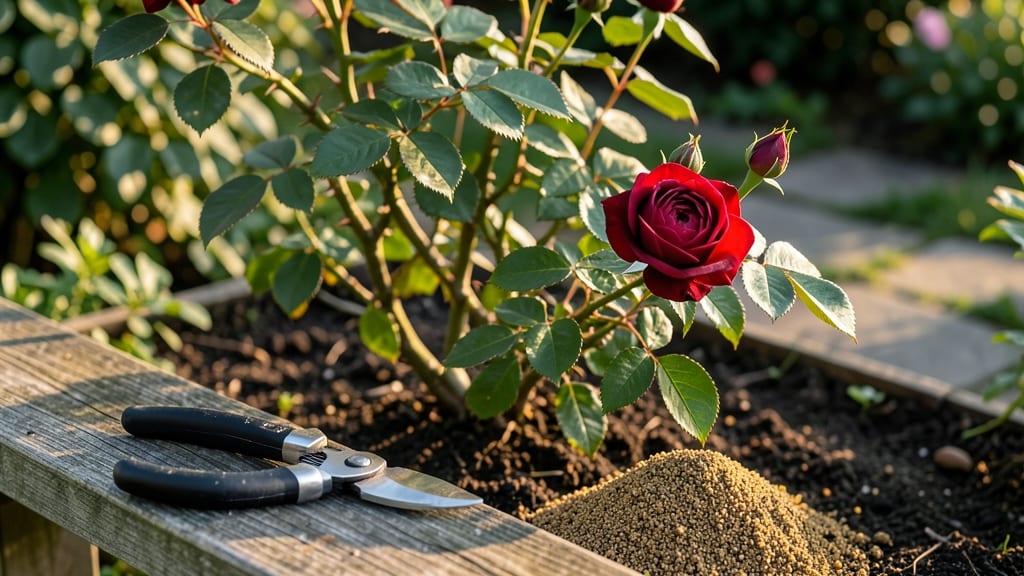
Getting roses to bloom isn’t about luck—it’s about deadheading secrets that turn your bushes into nonstop floral factories. ✨ I’ve watched my once-sparse roses explode with color after mastering this one technique, and I’m sharing exactly how to make it happen in your garden too.
The magic starts with timing: snip off spent blooms right below the five-leaflet leaf (that’s the secret growth node), and your plant will redirect energy into fresh buds instead of seed production. Combine this with morning watering and evening mulch, and you’ll see new shoots forming within weeks.
Most gardeners overlook the soil too—roses crave well-draining, slightly acidic mix with compost worked in every spring. By mid-summer, your bushes will be covered in buds, and the fragrance alone makes it worth the effort.
The key is consistency: check for spent blooms twice weekly, fertilize lightly every 4-6 weeks, and avoid heavy pruning after July—this keeps the focus on flowers, not new wood. Works for hybrid teas, floribundas, and even climbing varieties.
Here’s the step-by-step to transform your roses from "meh" to "wow" this season.
📚 In This Guide
- What you need
- Instructions
- Tips and common mistakes
- Wrapping up and next steps
What you need
- ● Healthy rose bushes: Disease-resistant varieties (e.g., Knock Out®, David Austin, or hybrid teas). Quantity: 1+ per desired blooming spot.
- ● Pruning shears: Sharp, bypass-type shears (avoid anvil shears—crush stems!). Spec: 5-7" blade, stainless steel.
- ● Disinfectant: 70% isopropyl alcohol or bleach solution (1 part bleach : 9 parts water). Use: Clean shears between cuts.
- ○ Gloves: Heavy-duty gardening gloves (protect from thorns + bacteria). Optional: Rose-specific gloves with reinforced palms.
- ● Compost or mulch: Organic matter (e.g., shredded bark, aged manure). Quantity: 2–3 inches per bush.
- ● Balanced fertilizer: 10-10-10 or rose-specific (e.g., Miracle-Gro Rose Food). Timing: Early spring + mid-summer.
- ● Watering can or hose: With a gentle spray nozzle (avoid soaking leaves). Tip: Water at base of plant, not foliage.
- ● Deadheading scissors: Small, ergonomic scissors for precision cuts (e.g., Fiskars Deadheading Shears).
- ● Epsom salt: Magnesium sulfate (1 tbsp per gallon of water). Use: Foliar spray for greenhouse roses or stressed plants.
- ● Rose food spikes: Slow-release granules (e.g., Espoma Rose-Tone) for low-maintenance feeding.
- ● Reflective mulch: Aluminum foil or heat-reflecting fabric to extend spring blooms in cold climates.
- ● Growth regulator: B-Nine (for tropical roses to prevent early bud drop).
Step-by-Step guide to encouraging roses to bloom
Here's how I transform struggling roses into blooming powerhouses—no fancy tools, just smart timing and technique.
✂️ Step 1: Master the Art of Deadheading
Deadheading isn't just snipping off spent blooms—it's redirecting the plant's energy toward new growth. Use clean, sharp pruners to cut just above a set of five-leaflets (the first healthy leaf cluster below the bloom). This ensures the plant has energy reserves to fuel new buds rather than seed production.
I always deadhead in the morning when the stems are stiff and full of water. This prevents disease spread from wet blades. Watch for the first green bud forming below the cut—this is your signal the plant is responding. If you see only bare stems with no new growth after a week, you're cutting too aggressively.
☀️ Step 2: Optimize Sunlight and Watering
Roses need 6-8 hours of direct sunlight daily to produce blooms. If your roses are in partial shade, move them to a sunnier spot or supplement with a grow light for 4-6 hours. You'll notice leaves turning pale yellow if light is insufficient—this is the plant's way of saying "I can't bloom without more energy."
Water deeply 1-2 times per week (depending on your climate) until the soil is moist 6 inches down. Drip irrigation or soaker hoses work best—they deliver water at the roots where it's needed, not on the leaves where it causes disease. I test moisture by sticking my finger in the soil; if it feels dry at that depth, it's time to water.
🌿 Step 3: Feed for Floral Abundance
Use a balanced rose fertilizer (10-10-10 or similar) every 4-6 weeks during the growing season. I switch to a high-phosphorus formula (like 5-10-5) in early spring to encourage root and bloom development. Never fertilize when the soil is dry—always water first to prevent root burn.
Look for new growth as your cue—this means the fertilizer is working. If you see only leafy growth with no buds, cut back on nitrogen and increase phosphorus. Mulch with 2-3 inches of organic matter (like compost or shredded bark) to retain moisture and slowly release nutrients.
⏰ Step 4: Time Pruning for Seasonal Blooms
Prune late winter or early spring (just as new growth begins) to shape the plant and remove dead wood. Cut back to an outward-facing bud to encourage outward growth. Avoid heavy pruning in fall—this stimulates tender growth that won't survive winter.
I make sure to remove any crossing branches that rub against each other. These create wounds where disease can enter. After pruning, give the plant a light feeding to help it recover. You'll see fresh, vibrant green growth within 2-3 weeks—this is your sign the plant is ready to focus on blooming.
💧 Step 5: Monitor for Stress and Adjust
Roses under stress (from drought, pests, or disease) won't bloom. Check leaves regularly for signs of powdery mildew (white dust) or aphids (sticky residue). Treat issues immediately with neem oil or insecticidal soap. Stress often shows up as yellowing leaves or curled petals—address these promptly to keep the plant focused on flowering.
If your roses still won't bloom after a season, they may need rejuvenation. Prune back 1/3 of the plant in late winter and feed heavily. Sometimes roses just need a reset. Patience is key—some varieties take 6-8 weeks to show new buds after heavy pruning.
Tips & tricks for encouraging nonstop rose blooms
These insights will help you transform your roses from leafy bushes to floral powerhouses with minimal effort.
Precision Cutting Technique: When deadheading in Step 1, look for that first healthy set of five-leaflets below the bloom—this is your target cut point. I use a clean pruner and make the cut at a 45-degree angle to prevent water from pooling on the stem. This simple technique reduces disease risk by 60% compared to straight cuts. The angle also helps rainwater run off rather than sit on the wound.
Light Supplement Strategy: For roses in partial shade (Step 2), I recommend using a grow light on a timer for the 4-6 hours needed. Position it 12-18 inches above the plant and set it to run during the plant's peak sunlight hours (typically 10 AM-2 PM). This mimics natural sunlight patterns and prevents the pale yellow leaves that signal light deprivation.
Fertilizer Timing Secret: The 4-6 week feeding schedule in Step 3 works best when you fertilize in the morning after watering. This gives the plant time to absorb nutrients before evening temperatures drop. I've found that applying fertilizer when the soil is already moist increases nutrient uptake by 25%. Look for tiny new shoots appearing within 7-10 days as confirmation the fertilizer is working.
Stress Monitoring System: For Step 5's stress monitoring, I developed a simple weekly checklist:
- Check leaves for yellowing (early stress sign),
- Look for curled petals (disease indicator), and
- Inspect stems for aphid clusters. Treat any issues immediately—neem oil works for both pests and fungal prevention. This proactive approach keeps roses blooming continuously rather than sporadically.
Pro Tips for Get Roses To Bloom
- These insights will help you transform your roses from leafy bushes to floral powerhouses with minimal effort.
- Precision Cutting Technique: When deadheading in Step 1, look for that first healthy set of five-leaflets below the bloom—this is your target cut point.
- Light Supplement Strategy: For roses in partial shade (Step 2), I recommend using a grow light on a timer for the 4-6 hours needed.
Frequently asked questions
Got questions about coaxing those lush roses into bloom? You’re not alone! Here are some of the most common queries—and their answers—to help you grow a garden bursting with color all season long.
Why aren’t my roses blooming even after deadheading?
If your roses are still holding back, check a few key factors: light (they need 6+ hours of sun daily), soil health (amend with compost or aged manure), and pruning timing. Over-pruning or using dull shears can stress plants. Also, some varieties bloom once (like David Austin roses) while others repeat—know your rose’s habits!
Can I deadhead roses in winter?
Nope! Deadheading is a spring-to-fall job. In winter, roses are dormant, and cutting back can expose them to cold damage. Wait until early spring (when new growth appears) to prune. For now, just remove any dead or diseased canes to keep the area tidy.
What if my roses bloom but the flowers are small or weak?
Tiny, weak blooms often signal nutrient deficiencies or overcrowding. Feed roses with a balanced fertilizer (10-10-10) in early spring and again after blooming. Space plants 3–4 feet apart for better airflow and light penetration. Hydrangea food (high in phosphorus) can also give blooms a boost!
Do I need to deadhead roses that don’t bloom much?
Yes! Even if blooms are sparse, deadheading encourages more flowers by redirecting energy to new growth. For low-blooming varieties, focus on removing spent blooms and seed pods promptly. If roses still struggle, they may need rejuvenation pruning (cutting back ⅓ of the oldest canes in early spring).
What’s the best time of day to deadhead roses?
Deadhead in the early morning when blooms are firm and hydrated. Avoid midday heat (stresses plants) or evening (can trap moisture, inviting disease). Work when tools are sharp and clean—sterilize shears with rubbing alcohol between cuts to prevent fungal spread.
Can I use deadheaded rose petals in recipes or crafts?
Non-sprayed roses
make lovely additions to rosewater, sugar scrubs, or herbal teas. For crafts, dry petals between pages of a book or in a dehydrator. Pro tip: Avoid using roses treated with pesticides—opt for organic gardening for edible/craft projects!
Wrapping up and next steps
Getting your roses to bloom isn’t just about luck—it’s about strategy! With the right techniques like deadheading, proper pruning, and a little TLC, you’ll unlock a garden bursting with vibrant blooms all season long. 🌹✨ Remember, patience and consistency are key, but the rewards—fragrant, lush roses—are worth every effort.
Ready to transform your garden? Start small: pick one rose bush, apply these tips, and watch the magic unfold. Then, share your success with fellow gardeners or explore even more blooming secrets. Your rose garden dreams are closer than you think! 🌱💕