
Pruning
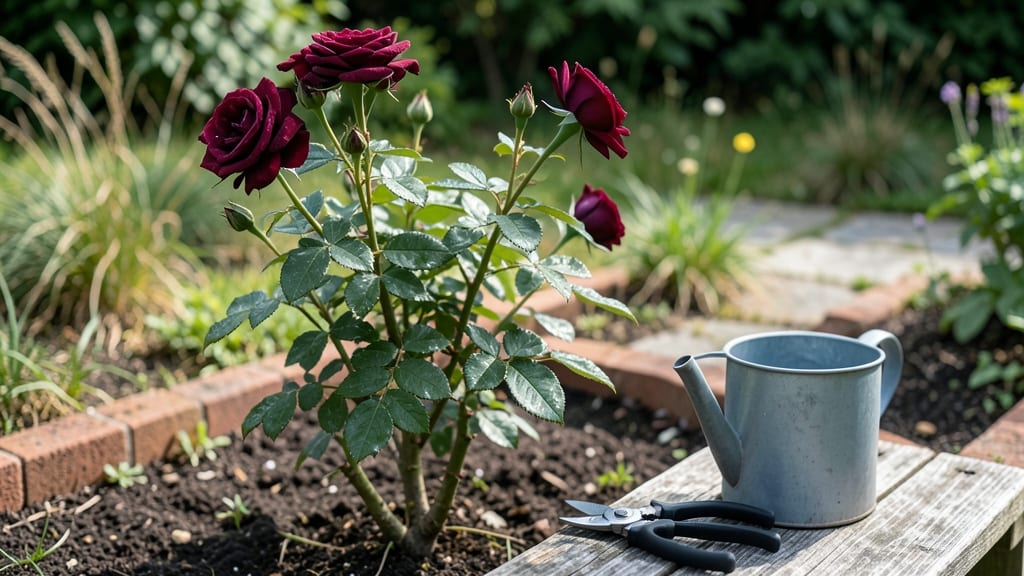
Pruning roses the right amount means the difference between a bush covered in blooms and one that struggles to recover. ✂️ I’ve spent years watching roses transform after proper trimming—cutting back too much or too little both backfire, but the sweet spot creates vibrant growth and nonstop flowers.
The key is understanding how each variety responds, whether it’s hybrid teas, floribundas, or tough shrub roses.
Most roses need one-third to one-half of their old wood removed each year, but timing matters just as much. Late winter or early spring, right before new growth starts, is ideal—this gives the plant time to heal before summer heat sets in.
Grab your pruners, sanitize them with rubbing alcohol, and focus on outward-facing buds to encourage an open, airy shape that resists disease.
What you’ll end up with is a bush that looks neater, grows stronger, and produces far more blooms than before. The first flush of flowers arrives earlier, and the plant stays productive well into fall.
Even if you’ve over-pruned in the past, roses are surprisingly forgiving—just adjust next year’s cuts to be gentler.
This method works for every type of rose, from delicate climbers to hardy landscape varieties. The only real mistake is rushing—take your time, and your roses will thank you with months of effortless beauty. Let’s get those canes trimmed!
📚 In This Guide
- What you need
- Instructions
- Tips and common mistakes
- Wrapping up and next steps
What you need
- ○ Pruning shears: Bypass pruners (sharp, 5–8 inch blades) for clean cuts. Anvil pruners (for thicker stems) are optional but handy for stubborn branches.
- ● Loppers: 10–14 inch for thicker stems (1/2 inch or larger). Look for ratcheting or bypass-style for precision.
- ● Pruning saw: Curved-tooth for branches over 2 inches thick. Avoid cheap saws—they can tear wood.
- ● Gloves: Leather or heavy-duty canvas to protect against thorns and dirt. Garden-specific gloves with reinforced palms are ideal.
- ● Disinfectant: Rubbing alcohol (70%+) or a pruning sealant (like Pruning Wax) to sterilize tools between cuts and prevent disease spread.
- ○ Trash bags: Heavy-duty (10–20 gallon) for collecting pruned debris. Optional: A wheelbarrow for hauling larger volumes.
- ○ Marking twine or flags: For labeling pruned branches (helpful for tracking growth patterns). Optional: Chalk or paint to mark cuts temporarily.
- ● Pruning sealant: (e.g., Tree Seal) for large cuts on woody stems to reduce sap loss. Skip for small cuts—it’s not always necessary.
- ● Safety gear: Sunglasses (to shield from debris) and long sleeves/pants (to avoid thorn scratches).
- ● Weather: Prune on a dry, cloudy day (avoid extreme heat or frost). Early morning is best to reduce stress on the plant.
- ● Knowledge: Familiarize yourself with your rose variety’s pruning needs (e.g., hybrid teas vs. climbers). Pro tip: Sketch a quick diagram of your rose’s structure before pruning!
- ● Cleanup: Remove all pruned debris from the garden immediately to prevent fungal diseases like black spot.
Seasonal pruning rules for roses by variety type
Roses reward precision—cut too little and they sprawl, too much and they struggle. Here's how to trim each type for maximum blooms and health.
✂️ Step 1: Identify Your Rose Type Before Pruning
First, determine your rose's category because pruning intensity varies dramatically. Hybrid teas and grandifloras need aggressive renewal cuts to produce their signature blooms, while climbers and shrub roses benefit from moderate shaping cuts that preserve their natural form. Look for these clues: hybrid teas have single stems with large blooms, while floribundas produce clusters along multiple stems.
I always check the growth habit—if your rose has long canes (like climbers), you'll want to prune for structure rather than drastic height reduction. For shrub roses, focus on opening the center to improve airflow. The key is to match your cuts to the rose's natural growth pattern, not just follow a one-size-fits-all approach.
✂️ Step 2: Apply Variety-Specific Pruning Techniques
For hybrid teas and grandifloras, cut back 1/3 to 1/2 of last year's growth—look for the five-leaflet leaf (a mature leaf) and make your cut just above an outward-facing bud below it. This encourages strong new growth from the base. I like to make cuts at a 45-degree angle about 1/4 inch above the bud to prevent water from pooling.
Climbing roses need a different approach: remove only dead or crossing branches and shorten others by 1/4 to 1/3 to maintain their structure. Shrub roses should be pruned to open the center—cut out weak, spindly stems at the base while leaving strong canes. The goal is to create an outward-facing vase shape that catches light and air.
✂️ Step 3: Time Pruning by Season and Variety
Most roses bloom on new wood, so I prune them in late winter or early spring (just before buds swell) for maximum regrowth. However, repeat-blooming shrub roses can handle light pruning in late summer to encourage fall blooms. Never prune when frost is forecast—new cuts are vulnerable to cold damage.
For once-blooming roses (like some old garden varieties), prune immediately after their first flush of blooms in late spring to avoid sacrificing their seasonal display. I mark my calendar with the last frost date—pruning should happen 2-3 weeks before to allow time for new growth before summer heat arrives.
✂️ Step 4: Clean and Maintain After Pruning
Remove all pruned material from the garden immediately to prevent disease spread. I dip my shears in rubbing alcohol between cuts to sterilize them. After pruning, apply a 2-3 inch layer of mulch around the base (but not touching the stem) to retain moisture and suppress weeds. This is also the perfect time to fertilize with balanced rose food to support new growth.
Watch for suckers—vigorous shoots growing from the base or graft union. These divert energy from the main plant. Pinch them off as soon as you see them. Healthy roses will show new green buds within 3-4 weeks of proper pruning—this is your signal that the cuts were successful.
Tips & tricks for perfect rose pruning by variety
These precision-focused tips will help you avoid the most common pruning mistakes—and get roses that bloom like crazy.
The Bud Selection Secret: When pruning hybrid teas and grandifloras in Step 2, always make your cut just above an outward-facing bud. This ensures new growth will angle away from the center, creating that perfect vase shape. I like to visualize the bud pointing toward where I want the new stem to grow—it’s like giving your rose a roadmap for its future shape.
Seasonal Timing Matters: The late winter/early spring window (Step 3) is critical for most roses because it coincides with their natural dormancy period. If you miss it, you risk encouraging new growth that could get damaged by late frosts. For repeat-blooming shrubs, that late summer trim is your secret weapon for fall color—just don’t go overboard, or you’ll sacrifice next year’s spring display.
Structural Pruning for Climbers: Climbing roses need a different philosophy entirely. Instead of aggressive cuts, focus on removing only dead wood and crossing branches in Step 2. The 1/4 to 1/3 reduction rule applies, but your goal is to maintain the existing framework rather than force new growth. Think of it like giving your rose a haircut that preserves its natural style rather than a drastic makeover.
Post-Prune Maintenance: After cleaning up in Step 4, don’t forget the mulch layer—2-3 inches is perfect for moisture retention. I’ve seen roses struggle after pruning because they weren’t getting enough water through their roots. Also, that balanced rose food application is non-negotiable; roses are heavy feeders and need the nutrients to recover from their winter dormancy and start pushing out new growth.
Pro Tips for How Much To Prune Roses
- These precision-focused tips will help you avoid the most common pruning mistakes—and get roses that bloom like crazy.
- The Bud Selection Secret: When pruning hybrid teas and grandifloras in Step 2, always make your cut just above an outward-facing bud.
- Seasonal Timing Matters: The late winter/early spring window (Step 3) is critical for most roses because it coincides with their natural dormancy period.
Frequently asked questions
Got questions about pruning roses? You’re not alone! Here are answers to the most common concerns—so you can trim with confidence and keep your roses thriving.
When is the best time to prune roses?
The ideal time depends on your climate and rose type. For spring-blooming varieties (like hybrid teas or floribundas), prune in late winter or early spring (just before new growth starts). Fall-bloomers (such as Knock Out roses) can be pruned lightly in late fall or heavily in early spring. Avoid pruning in summer unless removing dead/diseased wood.
How much should I cut off a healthy rose bush?
For most roses, aim to remove 1/3 to 1/2 of the plant’s height each year. Cut back to an outward-facing bud (about ¼ inch above it) to encourage strong growth. Climbing roses need less pruning—just shape them by removing dead or crossing branches and shortening side shoots by 1/3.
What if I prune at the wrong time or too much?
Over-pruning or trimming at the wrong time can stress roses, leading to fewer blooms, weak growth, or disease susceptibility. If you’ve already overdone it, stop cutting and focus on fertilizing and watering deeply. For late pruning, cover cuts with pruning sealant (optional) to prevent disease.
Can I prune roses without sharp tools?
Dull or dirty tools can damage stems and spread disease. Always use clean, sharp pruners (or loppers for thicker branches). If you don’t have pruning tools, sterilize garden shears with rubbing alcohol between cuts. Avoid tearing branches—make clean, angled cuts just above a bud or node.
Do I need to prune roses in cold climates?
Yes! Even in cold areas, prune after the last frost to avoid damaging dormant buds. For hardy roses (like rugosas), prune lightly in late winter to prevent winter dieback. In Zone 5 or colder, wait until mid-spring (when soil thaws) to avoid cutting into frozen wood.
Wrapping up and next steps
Pruning roses isn’t just about cutting back—it’s about revitalizing your plants for healthier blooms and stronger growth. Whether you’re tackling hybrid teas, climbers, or shrub roses, the key is knowing when and how much to trim based on the season and variety.
With the right tools, timing, and technique, you’ll unlock lush, vibrant roses that thrive year after year.
Ready to give your roses the care they deserve? Start small: pick one variety this season, follow the seasonal rules, and watch your garden transform! 🌸 For even more confidence, grab a pruning guide tailored to your climate—your roses will thank you.