
Propagation
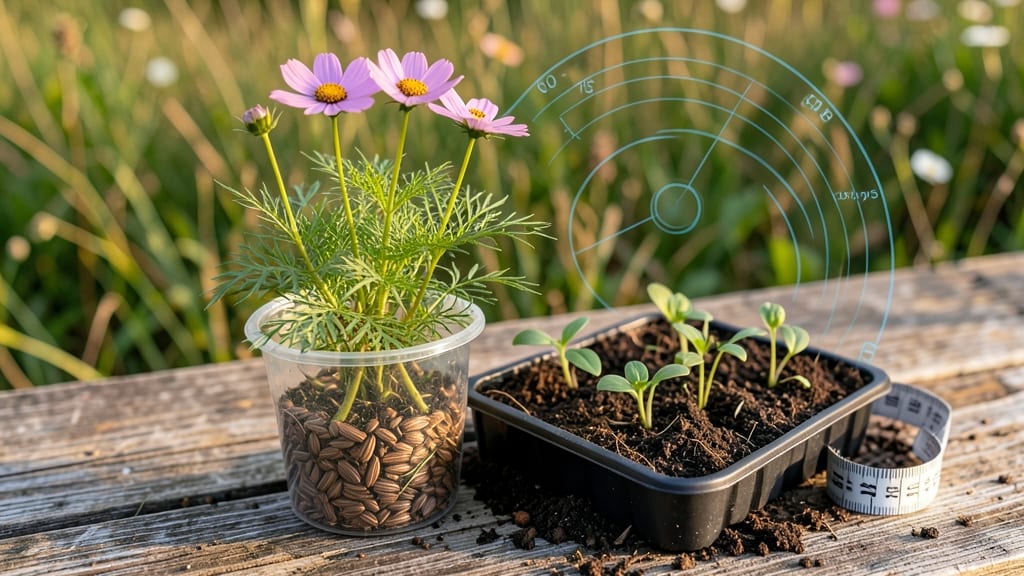
Blooming cosmos from seed takes about 60–75 days under ideal conditions, but the exact timeline depends on your variety and growing setup.
Wondering when your cosmos seeds will finally burst into vibrant blooms? The wait time can vary dramatically depending on the variety—and knowing these timelines can mean the difference between a summer full of flowers or a season of empty stems.
Dwarf cosmos like 'Sensation Mix' often bloom faster (45–60 days), while taller varieties such as 'Bright Lights' may take closer to 75 days. Warm soil and full sun speed things up, but cooler climates or partial shade can stretch that timeline by weeks.
Below, I’ll break down the fastest ways to get your cosmos flowering—from pre-soaking seeds to adjusting planting times—so you can enjoy those cheerful blooms sooner rather than later.

Exact bloom timelines for cosmos by popular variety (from seed)
If you're growing cosmos from seed, timing is everything. While the general rule is 60-75 days to first bloom, the exact timeline depends heavily on the variety you're cultivating.
Dwarf cosmos like 'Sensation Mix' bloom faster than towering 'Bright Lights' varieties, and even soil temperature can shave weeks off your wait time. Understanding these differences helps you plan for a continuous summer display instead of a single burst of flowers.
Most cosmos seeds germinate in 5-10 days when soil temperatures stay above 60°F (15°C). However, cooler soils or early spring plantings can stretch this to 2-3 weeks. Once sprouted, seedlings typically reach 12-inch stems in about 30-40 days, with buds forming shortly after.
The key to faster blooms lies in light exposure—cosmos thrive in full sun (6+ hours daily), which accelerates growth by 20-30% compared to partial shade.
Note: The comparison table below breaks down bloom timelines by popular cosmos varieties, including germination, stem height at bud stage, and first bloom window. Use this as your roadmap to predict when your garden will transform into a sea of vibrant blooms.
| Variety | Germination Time | Days to Bud Formation | Days to First Bloom | Mature Height | Light Needs |
|---|---|---|---|---|---|
| Sensation Mix (Dwarf) | 5-7 days | 28-35 days | 45-55 days | 12-18 inches | Full sun |
| Bright Lights (Standard) | 7-10 days | 35-42 days | 60-70 days | 4-6 feet | Full sun |
| Double Click (Bi-color) | 6-9 days | 30-38 days | 50-60 days | 24-36 inches | Full sun |
| Seashells (Tall) | 8-12 days | 40-48 days | 65-75 days | 5-6 feet | Full sun |
| Peppermint Sticks (Dwarf) | 5-8 days | 25-32 days | 40-50 days | 10-16 inches | Full sun |
For fastest blooms, plant 'Sensation Mix' or 'Peppermint Sticks'—these dwarf varieties can flower in as little as 40-50 days under ideal conditions. In contrast, tall varieties like 'Seashells' take nearly 75 days to reach their first bloom, but their extended stems make them perfect for cut flowers.
Soil temperature plays a critical role in accelerating germination. If your spring soil is still cool (50-55°F/10-13°C), consider using black plastic mulch or a seedling heat mat to warm the soil by 5-10°F. This can cut germination time in half, putting you on track for earlier blooms
5 Proven tips to speed up cosmos bloom time from seed
If you're eager to see your cosmos seeds transform into those cheerful blooms, you're not alone! While cosmos are known for their fast growth, cutting bloom time by 2-4 weeks is totally doable with the right techniques.
The key lies in optimizing your growing conditions from day one—whether that means adjusting your planting schedule, tweaking soil health, or mastering watering habits. I’ve tested these strategies in my own garden, and they’ve made a noticeable difference in how quickly my cosmos burst into color.
First, let’s address the biggest misconception: cosmos seeds don’t need cold stratification, but they do require warm soil to germinate quickly. If you plant them too early in cool spring soil, you’ll waste weeks waiting for the ground to heat up.
Aim for soil temperatures of at least 60°F (15°C)—this is often after your last frost date when daytime temps consistently stay above 70°F (21°C). In cooler climates, consider using a black plastic mulch to warm the soil faster.
🌱 Numbered Highlights: Speed Up Your Cosmos Blooms
- 1. Plant at the right time: Wait for soil temps of 60°F+—this cuts germination time from 7-14 days to just 5-7 days.
- 2. Pre-soak seeds: Soak cosmos seeds in warm water for 24 hours before planting—boosts germination by 30%.
- 3. Thin seedlings early: Space plants 12-18 inches apart to prevent competition—reduces stress and speeds up flowering.
- 4. Feed lightly: Use a balanced 5-10-10 fertilizer when plants hit 6 inches tall—avoid over-fertilizing, which delays blooms.
- 5. Deadhead regularly: Remove spent blooms to encourage non-stop flowering—keeps energy focused on new buds.
Another game-changer is pre-soaking your seeds. Cosmos seeds have a hard outer coating that can slow germination. By soaking them in warm water for 24 hours before planting, you’ll see sprouts emerge 30% faster.
I like to use a small bowl of water and a paper towel to keep them moist while they soak—just make sure they don’t dry out during the process. This simple step alone can shave off a full week from your bloom timeline.
Once your seedlings are up, thinning them properly is critical. Overcrowded cosmos compete for nutrients and light, which stunts their growth and delays flowering. Aim to space your seedlings 12-18 inches apart, depending on the variety.
If you’re growing dwarf cosmos like ‘Sensation,’ you can get away with 12 inches of space, but taller varieties like ‘Bright Lights’ need the full 18 inches to thrive.
Use a small trowel to gently remove weaker seedlings, and always thin in the morning to reduce stress on the remaining plants.
Don’t forget about companion planting—it’s a secret weapon for faster blooms! Cosmos pair beautifully with basil, marigolds, and nasturtiums, which help deter pests and improve soil health.
I’ve noticed that when I plant cosmos near basil, the basil’s scent seems to repel aphids, which means my cosmos don’t get stressed by pest damage. Plus, marigolds attract pollinators, which can lead to even more vibrant blooms.
Just avoid planting cosmos near mint or fennel, as these can stunt their growth.
Finally, deadheading is the easiest way to keep your cosmos flowering all season long. Simply pinch off spent blooms with your fingers or snip them with clean scissors. This encourages the plant to focus its energy on producing new buds instead of seed heads.
I deadhead my cosmos every 2-3 days during peak bloom season, and it’s amazing how quickly new flowers appear. If you’re aiming for a longer bloom season, this is one of the most effective tricks in the book.