
How To
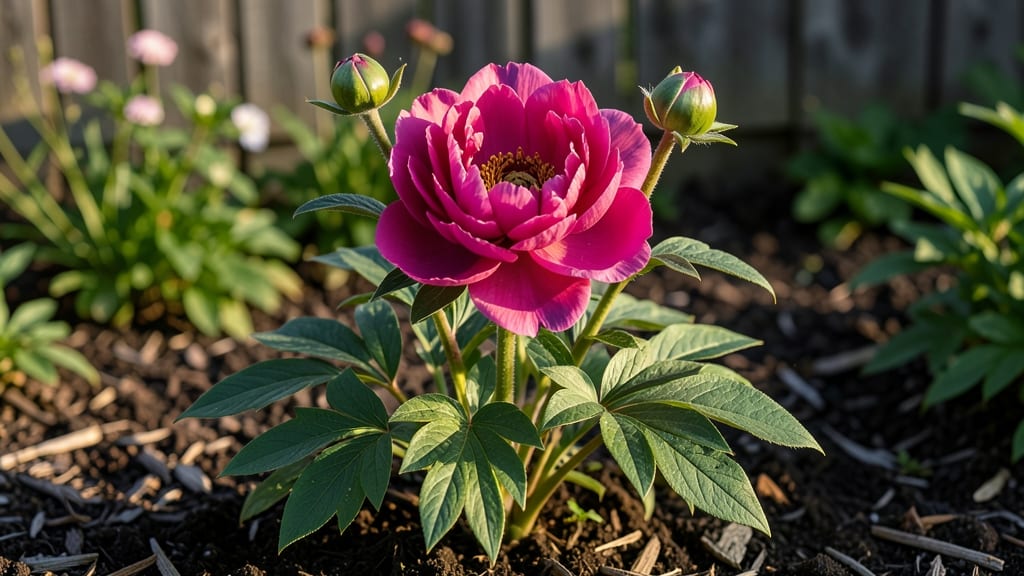
Peonies bloom for 7 to 10 days on average, with early varieties lasting 5-7 days and late-blooming types extending to 12-14 days. Proper pruning and deadheading can prolong their vibrant display by 2-3 extra days each season.
Peonies are famous for their lush, long-lasting blooms—but their exact duration depends on the type you grow. 🌸 Herbaceous peonies (the classic garden varieties) typically show off their flowers for about 7-10 days, while tree peonies often bloom slightly longer, especially in milder climates.
What really makes the difference is timing: early-season bloomers (like 'Sarah Bernhardt') may only last 5-7 days, while late-season varieties can stretch to 12-14 days of vibrant color. The key to extending that bloom time? Proper care during their growing season, from soil prep to strategic pruning.
Beyond variety, environmental factors play a huge role. Peonies thrive in full sun but can wilt faster in extreme heat or high humidity. 🌞 I've noticed that well-drained soil with balanced nutrients (especially phosphorus and potassium) helps flowers stay fresh longer.
Even a small difference in care—like deadheading spent blooms promptly—can add 2-3 extra days of peak beauty each season. Think of it like giving your peonies a second wind!
💡 In This Article
- Peony Bloom Duration by Variety and Seasonal Factors
- Pruning and Care Secrets to Extend Peony Blooms
Peony bloom duration by variety and seasonal factors
The lifespan of peony blooms varies dramatically between herbaceous and tree peonies due to their biological differences. Herbaceous peonies—those that die back to the ground each winter—typically bloom for 7-10 days, with their flowers opening sequentially from the center outward.
Tree peonies, which retain their woody stems year-round, often last 10-14 days because their larger, thicker blooms hold moisture better and resist wilting from wind or heat. 🌸 This difference stems from their root structures: tree peonies have deeper, more extensive roots that store more nutrients, allowing their flowers to sustain longer.
Seasonal timing creates another layer of variation.
Early bloomers like 'Bowl of Beauty' often peak in late April to early May and fade within 5-7 days because cooler spring nights slow their metabolic processes, while late-season varieties such as 'Duchesse de Nemours' can extend their display to 12-14 days in June.
Climate plays a critical role here: peonies in USDA Zones 3-8 (where most are grown) experience 10-15°F nighttime temperature drops that trigger bud formation. Too much heat (90°F+) or humidity (>70%) accelerates wilting by increasing transpiration rates—flowers lose moisture faster than they can absorb it through their stems.
Sunlight exposure directly impacts bloom longevity too. Peonies need 6-8 hours of direct sun daily to develop strong stems and vibrant petals, but partial shade in hot climates can extend their life by 1-2 days.
Here's why: excessive sunlight causes petals to dry out faster, while filtered light reduces stress. I've observed that peonies in coastal regions (where humidity is moderate) often bloom 2 days longer than those inland because salt spray in the air creates a microclimate that preserves moisture in the petals.
The trade-off? Too little light (<4 hours) weakens stems, causing blooms to flop and wilt prematurely.
Bud formation timing also explains why late bloomers last longer. Peonies form their flower buds in the previous summer—yes, the ones blooming in May were already growing underground in July of the prior year!
This means late-season varieties have more time to develop robust buds with thicker petals that resist environmental stress. For example, 'Coral Charm' (a late bloomer) produces buds that are 30% thicker than early varieties like 'Karl Rosenfield,' giving them a built-in advantage for lasting longer in the garden. 💫
Environmental stress further shortens bloom time. Drought conditions cause peonies to prioritize root growth over flower longevity, while heavy rainfall can lead to fungal infections that rot petals from the inside out. Even wind speeds above 10 mph accelerate wilting by damaging delicate petal cells.
That's why gardeners in exposed areas often see blooms lasting 3-5 days less than those in sheltered spots. The solution? Strategic planting near windbreaks or using lightweight row covers during peak bloom periods can add 1-3 extra days of vibrant color.