
Aphids
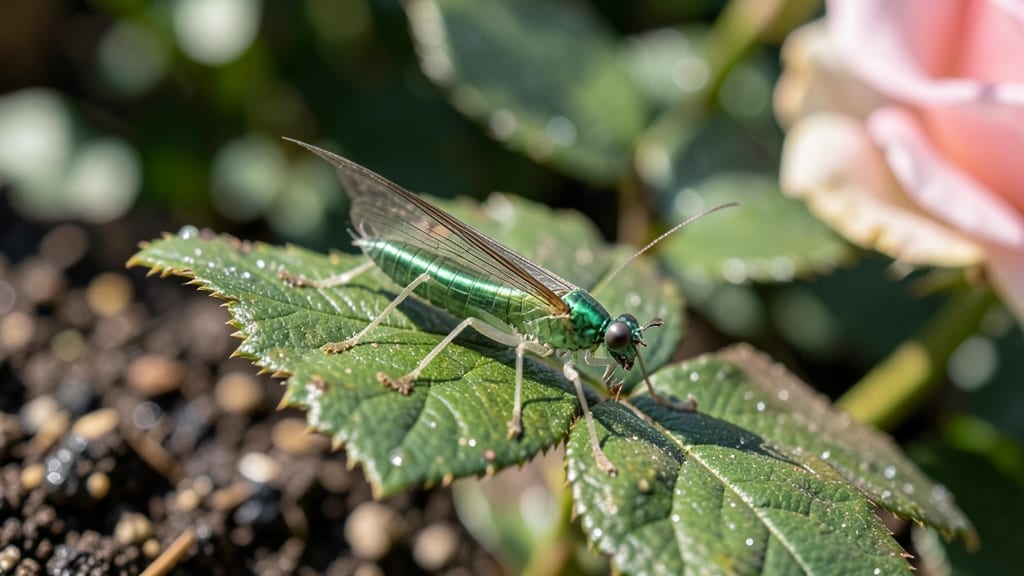
This home remedy for aphids on roses is the worst—tiny green invaders that suck the life out of your blooms before you even notice. 🌿 I’ve battled them for years, and this simple soap-and-water spray is my go-to defense.
It’s organic, effective, and won’t harm your plants (or the bees) if done right.
The secret lies in dish soap’s natural surfactant—it disrupts aphids’ protective coating while suffocating them. Mix 1 tablespoon mild soap with 1 quart water, add a drop of neem oil for extra power, and spray directly on infested areas.
Reapply every 3-5 days until they’re gone. No harsh chemicals, just plant-safe action.
What you’ll get is roses that bounce back faster, with fewer sticky honeydew trails and fewer ants marching up the stems. The blooms stay vibrant and healthy, and you’ll skip the guilt of chemical sprays.
Plus, this method prevents future outbreaks when used as a preventive spray every 2 weeks during growing season.
Works for all rose varieties—hybrids, climbers, even those stubborn shrub roses. Just avoid spraying on hot days (soap can burn leaves) and always test on a small area first. Ready to reclaim your roses? Let’s tackle those aphids the natural way.
Root Causes Of Rose Aphids
Aphids may seem like a random nuisance, but these tiny sap-sucking pests don’t just appear out of nowhere—they’re drawn to roses for specific reasons. Understanding why they target your prized plants is the first step to stopping them before they cause real damage.
Below, we break down the science-backed triggers that turn your roses into an aphid buffet.
Aphids thrive when roses are under stress, whether from physical crowding or environmental pressure. Here’s why:
- Poor air circulation: Dense foliage traps moisture, creating a humid microclimate that aphids love. Without airflow, roses can’t dry quickly after rain or watering, making them more vulnerable to infestations.
- Competition for nutrients: Overcrowded plants compete for water, sunlight, and soil nutrients. Weakened roses produce less sap—but aphids still target them because stressed plants emit volatile organic compounds (VOCs), signaling distress to pests.
- New growth attraction: Aphids prefer tender, new shoots because they’re easier to penetrate. If your roses are overpruned or fertilized unevenly, they’ll sprout weak, aphid-magnet growth.
Actionable fix: Prune roses to open the canopy (aim for ⅓ of the plant’s volume) and space them 18–24 inches apart for better airflow. Avoid heavy nitrogen fertilizers, which promote soft, aphid-loved growth.
Aphids are obligate sap-feeders, meaning they only eat plant sap—and roses are a high-sugar, low-defense target. Here’s the science:
- High sugar content: Roses (especially hybrid varieties) have phloem sap rich in sucrose and glucose, which aphids metabolize into energy. Some species, like the Macrosiphum rosae (rose aphid), have specialized mouthparts to pierce rose stems efficiently.
- Lack of natural toxins: Unlike some plants, roses don’t produce bitter alkaloids or tannins that deter pests. Their sap is essentially a liquid dessert for aphids.
- Honeydew production: As aphids feed, they excrete sticky honeydew, a byproduct of their high-sugar diet. This attracts sooty mold (a black fungus) and other pests, creating a feedback loop of infestation.
Actionable fix: Boost rose resilience by:
- Using balanced fertilizers (e.g., 10-10-10) to avoid excess sugar production.
- Planting companion plants like garlic or chives, which repel aphids with natural sulfur compounds.
- Encouraging beneficial predators (ladybugs, lacewings) that hunt aphids before they overconsume sap.
Aphids are cold-sensitive and prefer stable, humid environments. Your rose garden might be unintentionally creating the perfect aphid nursery:
| Factor | Why It Attracts Aphids |
|---|---|
| South-facing exposure | Roses in full sun absorb more heat, creating warmer leaf surfaces (ideal for aphid metabolism). |
| Mulch or thick ground cover | Organic mulch retains moisture and raises soil temps, while dense ground cover blocks airflow at the base of plants. |
| Greenhouse or container growing | Enclosed spaces trap heat and humidity, mimicking tropical conditions where aphids reproduce faster. |
| Rain or overhead watering | Wet foliage dilutes natural defensive resins on rose leaves, making them easier targets. |
Actionable fix:
- Position roses to receive morning sun + afternoon shade to reduce leaf heat.
- Use gravel or inorganic mulch (like slate) to improve drainage and airflow.
- Water at the base (not overhead) and avoid mulching too close to stems.
Aphids don’t just appear—they explode when their predators are missing. Roses in monoculture gardens (only roses, no diversity) or treated with broad-spectrum pesticides lose their first line of defense:
- Ladybugs: A single adult can eat 5,000 aphids in a lifetime. They’re attracted to gardens with diverse pollinator plants (e.g., dill, fennel).
- Lacewings: Their larvae are aphid-hunting machines, injecting digestive enzymes to liquefy prey before sucking it up.
- Parasitic wasps: Tiny Aphidiinae wasps lay eggs inside aphids, which hatch and devour them from within.
- Birds: Species like chickadees and warblers peck at aphids, but they avoid gardens with chemical sprays.
Actionable fix:
- Plant native wildflowers (e.g., yarrow, milkweed) to attract predator diversity.
- Avoid neonicotinoids (systemic pesticides) that kill beneficial insects.
- Install a small water source (like a shallow dish with pebbles) to lure predators to your garden.
💡 Pro Tip: If you spot aphids, check for tiny white eggs on the undersides of leaves—these hatch into nymphs in 7–10 days. Early intervention (like a soapy water spray) can prevent an outbreak before it starts!
Natural Fixes for Rose Aphids
Now that you know why aphids invade your roses, it’s time to take action! These tiny pests may be stubborn, but with the right home remedies for aphids on roses, you can restore your garden’s health without harsh chemicals.
Below, we’ve mapped out practical solutions based on the root causes—from overcrowded plants to weak natural defenses—plus prevention tips to keep aphids away for good.
Aphids thrive where roses are stressed or packed too tightly. Give them space and strength to fight back.
🔥 Boost Plant Health First
- Prune aggressively: Trim back overgrown branches to improve airflow and sunlight. Focus on removing yellowing or crowded leaves where aphids hide.
- Fertilize wisely: Use a balanced, organic fertilizer (like compost or fish emulsion) to strengthen roots. Avoid over-fertilizing with nitrogen—it attracts aphids!
- Water at the base: Wet the soil, not the leaves, to discourage aphids and fungal diseases.
💡 Pro Tip: Mulch around the base of your roses with wood chips or straw to retain moisture and deter aphids naturally.
The classic, non-toxic remedy that works fast—no fancy tools needed!
🍳 Mix the Spray Combine in a 1-gallon spray bottle:
- 1 quart of water
- 1 tablespoon of mild liquid soap (like Castile soap—avoid detergent!)
- 1 tablespoon of vegetable oil (optional, helps smother aphids)
👨🍳 Apply Correctly
- Shake well before spraying to emulsify the mixture.
- Spray directly on aphids (especially on new shoots and undersides of leaves).
- Reapply every 4–5 days or after rain, as the soap washes off.
⚠️ Warning: Test on a small leaf first—some roses may react to soap. If leaves curl or brown, dilute the soap further.
Aphids hate extreme temperatures—use this to your advantage!
☀️ Solar Power Blast
- On a sunny day, cover infested roses with clear plastic wrap for 2–3 hours. The trapped heat will kill aphids.
- Best for: Small patches or greenhouse roses.
❄️ Freeze Them Out
- If aphids are on potted roses, move them to a freezer-safe bag and place in the freezer for 24 hours. Thaw and inspect before replanting.
Let nature do the work! These predators love aphids and will clean up your roses for you.
🐞 Ladybugs (Ladies’ Choice)
- Buy live ladybugs online or at garden centers. Release them in the early morning or evening (they’re less active in heat).
- How many? ~50 ladybugs per 100 sq. ft. of garden.
🕷️ Lacewings (Nighttime Hunters)
- Lacewing larvae devour aphids like tiny, winged vacuum cleaners. Plant dill, fennel, or yarrow to attract them.
🐝 Encourage Bees and Wasps
- Parasitic wasps (like Aphidius colemani) lay eggs inside aphids—when the larvae hatch, they eat the aphid from the inside out. Order them online or plant marigolds to lure them.
The best defense is a strong, aphid-proof garden. Here’s how to stay ahead:
🌱 Plant Smart
- Interplant roses with garlic, chives, or mint—their strong scents repel aphids.
- Avoid planting roses next to honeysuckle or lilacs, which attract aphids.
🌿 Keep Garden Hygiene
- Remove aphid-infested leaves immediately (drop them in a sealed bag—don’t compost!).
- Clean tools with rubbing alcohol after pruning to prevent spreading pests.
🌧️ Water Wisely
- Deep watering (1–2 inches per week) reduces stress on roses, making them less appealing to aphids.
- Avoid overhead watering—wet leaves create a sticky honeydew trail that attracts ants (which farm aphids for their sap!).
✨ Bonus Trick: Neem Oil Barrier Mix 1 tsp neem oil + 1 tsp mild soap in 1 quart of water, then spray weekly as a preventive shield. Aphids hate the smell and won’t settle on treated plants.
- ❌ Don’t use bleach or harsh chemicals—they harm beneficial insects and pollute soil.
- ❌ Avoid overusing insecticidal soap—it can damage roses over time.
- ❌ Don’t ignore ants—they protect aphids! Sprinkle diatomaceous earth near the base to deter them.
With these easy, chemical-free fixes, your roses will bounce back stronger—and aphids will think twice before crashing your garden party again! 🌹💥 For stubborn infestations, combine 2–3 methods (like soap spray + ladybugs) for the best results.
Frequently asked questions
How often should I reapply the soap spray?
Reapply the soap spray every 3-5 days or immediately after rain, as the solution washes off. For heavy infestations, daily applications may be needed until the aphids disappear completely. Always test on a small leaf first to check for sensitivity.
Can I use dish soap from my kitchen?
No, avoid regular dish soap—it's too harsh and can damage rose leaves. Use mild liquid Castile soap or a gentle insecticidal soap labeled safe for plants. Even then, dilute it properly to prevent leaf burn.
Will this soap spray harm bees or other pollinators?
When applied correctly, the soap spray is bee-safe if you spray only in the early morning or late evening when bees aren't active. Avoid spraying flowers directly, and always use the mildest soap possible to minimize any risk.
What if the aphids keep coming back?
Persistent aphids often mean underlying issues like poor plant health or ant activity. Try combining the soap spray with neem oil (1 tsp per quart) and address ant trails with diatomaceous earth. Also check for aphid eggs on leaf undersides.
Can I use this remedy on other plants besides roses?
Yes! The same soap spray works on aphids on tomatoes, peppers, and other garden plants. Just adjust the concentration for delicate plants—use half the soap amount for vegetables or herbs. Always test on a small area first.