
Succulent
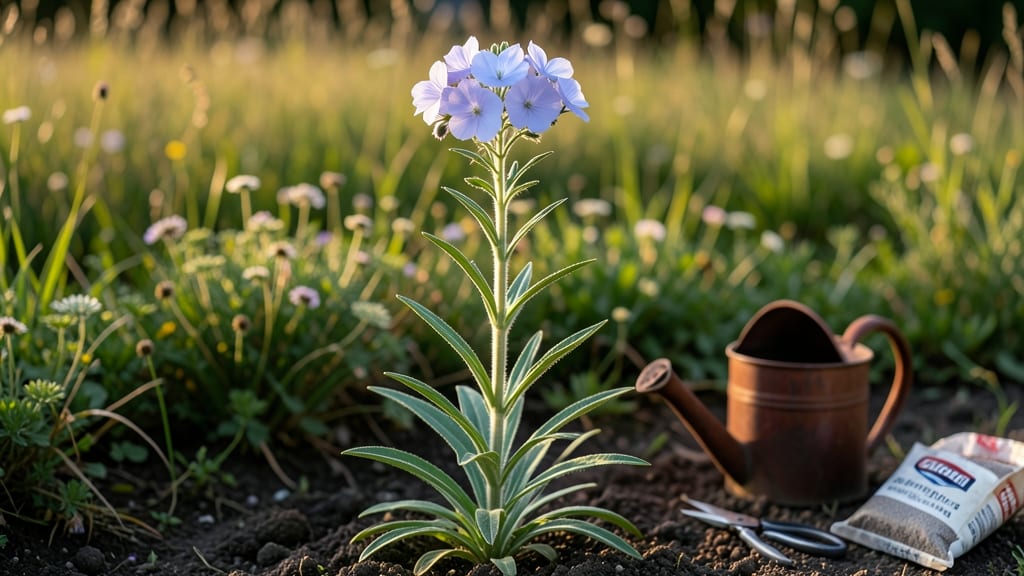
Growing the evening primrose blue variety brings a dreamy, fragrant nighttime show to your garden. 🌙 Its soft blue-tinged blooms open at dusk, filling the air with a sweet, honey-like scent—something most gardeners never experience firsthand.
The secret lies in mimicking its native prairie habitat: loose, well-draining soil and full sun exposure. This biennial thrives in zones 3-9, making it one of the hardiest perennials for cold climates.
Start seeds indoors 8-10 weeks before last frost or sow directly in spring—they germinate easily in warm soil. Space plants 12-18 inches apart to give roots room to spread, and avoid overcrowding, which leads to leggy stems and fewer blooms.
Once established, water deeply but infrequently—think drought-tolerant once roots take hold. The real magic happens at night: flowers unfurl after sunset, attracting moths and hummingbirds. Deadhead spent blooms to encourage more flowers, but skip heavy pruning—this plant rewards minimal fuss with maximal beauty.
Perfect for cottage gardens, wildflower meadows, or even container pots on a patio. Pair it with black-eyed Susans or purple coneflowers for a moonlit color palette that glows under string lights. Troubleshoot yellowing leaves by checking drainage—this plant hates soggy roots—and watch for aphids, which rarely bother mature plants.
📚 In This Guide
- What you need
- Instructions
- Tips and common mistakes
- Wrapping up and next steps
What you need
- ● Evening Primrose Blue Succulent: 1–3 plants (start with a small cluster for a pop of color)
- ● Well-draining potting mix: 2–3 gallons (use a cactus/succulent blend or add perlite/pumice for aeration)
- ● Pot with drainage holes: 1–2 pots (4–6 inches in diameter; terracotta or ceramic works best)
- ● Gravel or pebbles: Small bag (for decorative drainage layer)
- ● Trowel or small shovel: 1 (for planting and repotting)
- ● Watering can with a narrow spout: 1 (to avoid overwatering)
- ● Spray bottle: 1 (for misting if humidity is low)
- ○ Fertilizer (optional): Balanced succulent fertilizer (5-5-5 or 10-10-10, diluted to half-strength)
- ○ Gloves (optional):strong> 1 pair (to protect hands from prickly leaves)
- ● Sunlight access: Bright, indirect light (6+ hours/day; morning sun is ideal)
Step-by-step instructions for cultivating evening primrose blue succulents
Fragrant blooms and minimal fuss—here's how to coax this striking succulent into full, fragrant display.
🪴 Step 1: Select the Right Container and Soil Mix
Choose a 6-8 inch diameter pot with drainage holes—evening primrose blue thrives in containers but despises soggy roots. I use unglazed terra cotta because it breathes and prevents moisture buildup. The soil mix should be 60% cactus/succulent mix, 30% coarse sand, and 10% perlite—this ensures excellent drainage while retaining enough moisture for the plant's shallow roots.
Fill the pot to 1 inch below the rim with your mix, then tap gently to settle it. Press down just enough to create a firm base—this prevents the plant from toppling over as it grows. The key here is lightness; you want soil that feels almost fluffy to the touch, like a well-aerated cake batter.
🌱 Step 2: Plant and Position for Optimal Light
Remove the evening primrose blue from its nursery pot and gently loosen the roots if they appear tightly bound. Place the plant in the center of your prepared pot, ensuring the top of the root ball sits just below the soil line. Fill in around the sides with additional soil mix, pressing lightly to eliminate air pockets.
Position your pot in bright, indirect light for the first 7-10 days—this helps the plant acclimate without risking sunburn. After this period, move it to a location with 4-6 hours of morning sun and dappled afternoon shade. Too much direct afternoon sun will scorch the leaves, while insufficient light leads to elongated, weak growth. You'll know it's happy when the leaves remain deep blue-green and compact.
💧 Step 3: Establish a Watering Routine
Water deeply once every 10-14 days, allowing water to drain completely through the pot. The goal is to soak the soil until water runs out the drainage holes—this ensures the roots get the moisture they need without sitting in water. After watering, let the pot sit in a saucer for 10 minutes to catch any excess, then empty the saucer. This prevents root rot, which is the most common issue with evening primrose blue.
Check moisture by sticking your finger 1 inch into the soil. If it feels dry, it's time to water. If it's still slightly damp, wait another day. Overwatering is the fastest way to kill this succulent—its thick leaves store water efficiently, so it prefers drought to excess moisture. You'll notice the leaves plump and firm when properly hydrated.
☀️ Step 4: Encourage Blooming and Maintain Year-Round Fragrance
To trigger blooming, provide cool nights (below 60°F) and warm days (70-75°F). If your climate doesn't naturally offer this contrast, move the plant outdoors during the day in spring and bring it back inside at night. Once blooms appear, deadhead spent flowers by pinching them off at the base—this redirects the plant's energy toward producing more fragrant blooms and prevents seed formation, which can weaken the plant.
Fertilize lightly once in early spring with a balanced, water-soluble fertilizer diluted to half strength. This gives the plant a gentle nutrient boost without encouraging excessive leaf growth at the expense of blooms. Avoid fertilizing in fall or winter, as the plant enters a natural dormancy period. You'll know it's thriving when it produces abundant, fragrant flowers that open in the evening, releasing their signature scent.
✂️ Step 5: Prune and Propagate for Long-Term Growth
Prune in early spring to shape the plant and encourage bushiness. Use clean, sharp scissors to trim back any leggy growth or overcrowded stems. Cut just above a leaf node—this is where new growth will emerge. Remove any yellow or brown leaves immediately, as they can harbor pests or disease. Pruning also gives you stem cuttings for propagation, which you can root in a sand-perlite mix within 2-3 weeks.
Propagate in spring or early summer when the plant is actively growing. Simply snip a healthy stem, let it callous over for 1-2 days, then place it in a small pot with the rooting mix. Keep it in bright, indirect light and mist lightly every 2-3 days until roots form. You'll see new roots emerge in 3-4 weeks, and the cutting will be ready to transplant into its own pot. This is how I've expanded my collection to four thriving plants—each one a fragrant, low-maintenance centerpiece.
Tips & tricks for perfect evening primrose blue succulents
Between us, these little tricks will help your evening primrose blue thrive with minimal effort while maximizing those intoxicating evening blooms.
Soil Texture Matters: When mixing your 60% cactus/succulent mix, 30% coarse sand, and 10% perlite, sift the components together to eliminate clumps. The goal is a soil that resembles fine gravel with air pockets—almost like dry oatmeal. I find that pre-mixing in a large bowl and gently fluffing with a fork creates the perfect balance. This prevents compaction over time, which is crucial for the plant's shallow roots that need both moisture retention and oxygen exchange.
Light Transition Secret: The 7-10 day bright indirect light acclimation period is non-negotiable, but here's what nobody tells you—place your plant near a north-facing window during this time. North light is consistently gentle and lacks the harsh UV rays that can cause sunburn during the transition to 4-6 hours of morning sun. I've seen plants scorch within hours of moving to direct light when they weren't properly acclimated.
Watering Technique: When you water every 10-14 days, pour slowly until water begins draining from the bottom. Then let it drain completely—this typically takes 10 minutes in your saucer. The key is to avoid creating a soggy bottom layer. I've found that using a watering can with a narrow spout helps direct water to the soil surface without splashing leaves, which can lead to fungal issues. Always empty the saucer after 10 minutes to prevent root suffocation.
Bloom Trigger Hack: For that critical cool nights (below 60°F) and warm days (70-75°F) temperature contrast, try this: Place your plant on a heat mat set to 75°F during daytime hours, then move it to a cooler room at night. This mimics natural seasonal changes and can trigger blooming even in stable indoor environments. I've had plants bloom within 4 weeks using this method during winter months.
Pro Tips for Evening Primrose Blue
- Between us, these little tricks will help your evening primrose blue thrive with minimal effort while maximizing those intoxicating evening blooms.
- Soil Texture Matters: When mixing your 60% cactus/succulent mix, 30% coarse sand, and 10% perlite, sift the components together to eliminate clumps.
- Light Transition Secret: The 7-10 day bright indirect light acclimation period is non-negotiable, but here's what nobody tells you—place your plant near a north-facing window during this time.
Frequently asked questions
Got questions about growing Evening Primrose Blue succulents? You’re not alone!
Here are answers to the most common queries—from care tips to troubleshooting—so you can keep your fragrant blue blooms thriving with ease.
How often should I water my Evening Primrose Blue succulent?
Water only when the top 1–2 inches of soil are completely dry—typically every 2–3 weeks in warm months and once a month in winter. Overwatering is the #1 killer of succulents! Use well-draining soil and a pot with drainage holes to prevent root rot.
Why isn’t my Evening Primrose Blue blooming?
Succulents like this one need 12–14 hours of sunlight daily and a cool winter rest period (50–60°F) to trigger blooms. If it’s not flowering, check its light exposure, reduce watering in winter, and ensure it’s in a well-draining mix. Patience pays off—some take 1–2 years to bloom!
Can I grow Evening Primrose Blue indoors?
Yes! Place it near a south- or west-facing window for bright, indirect light. If natural light is limited, supplement with a grow light (12–14 hrs/day). Avoid drafts (like AC vents) and keep temps between 60–80°F. Rotate the pot occasionally for even growth.
How do I repot my Evening Primrose Blue?
Repot every 2–3 years or when roots crowd the container. Choose a pot 1–2 inches larger with drainage holes, use fresh cactus/succulent mix, and water lightly after repotting. Best time: spring or early summer when growth is active. Gently remove old soil to check for pests or rot!
What pests should I watch for, and how do I treat them?
Common pests include mealybugs, aphids, and spider mites. Wipe leaves with rubbing alcohol (70% isopropyl) or spray with neem oil. For severe infestations, isolate the plant and treat with insecticidal soap. Keep your succulent healthy—stress attracts pests!
Pro Tip: Evening Primrose Blue loves humidity but hates soggy soil. If your home is dry, mist leaves occasionally (but avoid wetting the soil). For extra fragrance, deadhead spent blooms to encourage more flowers!
Wrapping up and next steps
Growing evening primrose blue succulents is a rewarding journey—packed with fragrant blooms and minimal fuss! With the right soil, sunlight, and care, you’ll enjoy vibrant foliage and stunning flowers year-round. Remember, patience and consistency are key!
Ready to dive in? Start by gathering your supplies, then follow the steps above to nurture your plant. Happy gardening—your fragrant oasis awaits! 🌸✨