
Blooming
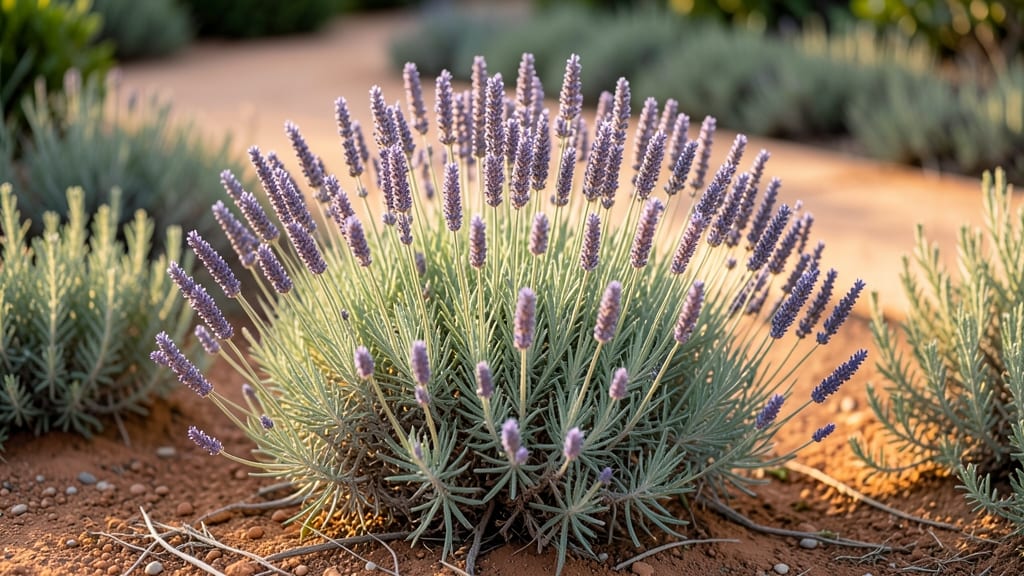
English lavender blooms in late spring through summer, with its peak bloom time typically falling between May and July 🌸—but the magic doesn’t stop there.
If you’ve ever wondered why your English lavender stops blooming after its first flush—or how to coax a stunning second wave of purple—you’re not alone. The secret lies in understanding its natural bloom cycle and mastering simple yet powerful gardening tricks.
This fragrant shrub thrives in full sun and well-drained soil, but even the best conditions won’t guarantee a second flush without the right timing. Pruning after the first bloom and avoiding overwatering can extend your lavender’s show well into fall.
Below, I’ll break down the exact bloom windows for your zone, how to encourage reblooming, and which varieties stay in flower the longest—so you can enjoy that dreamy purple display for months.
When does English lavender bloom? Natural cycle & climate impact
English lavender (Lavandula angustifolia) typically bursts into bloom during its primary flush between late spring and early summer, with most varieties flowering from May through July.
This timing aligns with warmer temperatures and longer daylight hours, triggering the plant’s natural reproductive cycle. Understanding this window helps you plan for deadheading and pruning to extend the display.
The secondary bloom flush often appears in late summer or early fall, though it’s less predictable. Some reblooming cultivars like 'Hidcote' or 'Munstead' may produce a second wave if given proper care, while others focus all energy on their first flush.
Your local USDA hardiness zone plays a huge role in when—and if—this happens.
Here’s how climate factors influence bloom timing:
In cooler climates (Zones 5-7), English lavender often waits until late May or June to bloom, as it needs consistent warmth. For example, in Zone 6 (like Chicago or Denver), you’ll see buds form in early May but full blooms by mid-June.
Meanwhile, in warmer zones (8-10), like Southern California or Arizona, lavender may start flowering as early as March or April.
Predicting your plant’s schedule requires tracking local frost dates and sunlight patterns. Most English lavender needs 120-150 frost-free days to complete its bloom cycle. If your area has an early frost risk (like Zone 5), prioritize late-spring planting to avoid winter damage that can delay next year’s blooms.
Temperature swings also matter: Heatwaves above 90°F can stress lavender, causing buds to drop. In my Zone 7 garden, I’ve noticed that afternoon shade during July’s heat preserves blooms longer. Mulching with gravel or straw helps regulate soil temps, which indirectly supports consistent flowering.
For container-grown lavender, bloom timing shifts slightly due to root restriction. Potted plants often flower 2-3 weeks later than in-ground varieties because they focus energy on root establishment first.
To sync their schedule, use larger pots (12"+ diameter) and ensure they get full sun exposure—even if that means moving them seasonally.
One of my biggest gardening mistakes was assuming all lavender bloomed simultaneously. After testing three varieties in my Zone 8 garden, I learned that 'Munstead' blooms earliest (late April), followed by 'Hidcote' (mid-May), and finally 'Lavender Lady' (June).
Planting a mix extends your visual interest and harvest window by nearly 8 weeks.
To fine-tune your lavender’s bloom schedule, start a gardening journal tracking bud formation dates, weather patterns, and care adjustments. Over time, you’ll spot patterns—like how a light spring frost in my area delays blooms by 10 days—and adjust accordingly.
The key is balancing natural rhythms with proactive care like pruning spent blooms and avoiding heavy fertilizers that promote leafy growth over flowers.
How to trigger a second lavender bloom: pruning & care secrets
English lavender (Lavandula angustifolia) typically delivers its showstopping first bloom between May and July, but with the right techniques, you can coax a second flush of fragrant purple blooms.
The key? Understanding when and how to prune strategically, adjust watering, and feed your plant just enough to encourage reblooming without stressing it.
Many gardeners miss the second bloom because they either prune too late or over-fertilize, both of which can signal the plant to focus on growth instead of flowering.
I’ve found that timing is everything—and a little patience pays off with months of extended beauty. Let’s break down the proven steps to unlock that second flush.
Step-by-Step Guide to Encourage Reblooming
- 🌱 Deadhead after the first bloom: Once 50% of flowers fade, snip spent blooms back to just above a set of leaves. This prevents seed formation and redirects energy to new buds.
- ✂️ Prune lightly in early summer: Trim 1/3 of new growth in June or early July to promote bushiness. Avoid cutting into old wood—this kills reblooming potential.
- 💧 Adjust watering habits: Reduce frequency to every 10-14 days in summer. Lavender hates soggy roots, which can prevent flowering entirely.
- 🌿 Feed sparingly in late summer: Apply a low-nitrogen fertilizer (5-10-10) in August to support root growth without overstimulating foliage.
- ☀️ Ensure full sun exposure: 6+ hours of direct sunlight daily is non-negotiable. Partial shade delays—or even stops—reblooming.
One of the most common mistakes I see is pruning after the first frost. By then, your lavender is already preparing for dormancy, and aggressive cuts signal it to halt flower production for the season.
Instead, time your pruning to late summer or early fall—just enough to shape the plant without shocking it.
For container-grown lavender, the process is nearly identical, but watch for root-bound stress. Repot every 2-3 years in well-draining soil to prevent stunted growth. I’ve had my potted lavender rebloom twice in one season simply by uprooting and refreshing the soil mid-summer.
Pro tip: If your lavender is younger than 2 years old, hold off on reblooming tricks. Focus on establishing a strong root system first. Patience here means bigger, healthier blooms in future seasons. The goal is to balance growth and flowering, not force it.
With these adjustments, you’ll likely see your second bloom emerge in late summer or early fall, just as the first flush fades. The fragrance alone makes the effort worthwhile—imagine harvesting lavender twice a year for sachets, potpourri, or even homemade lavender oil! 🌸